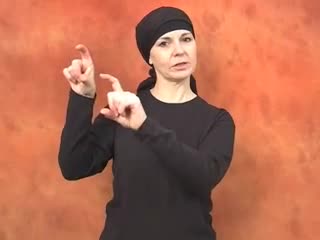
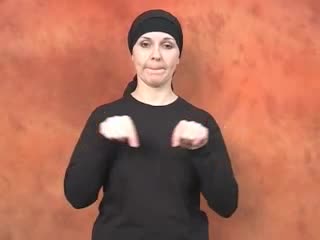
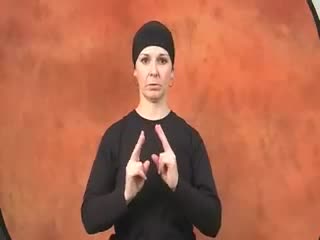
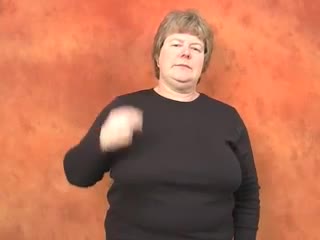
What This Sign Means in BSL
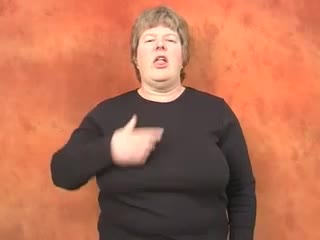
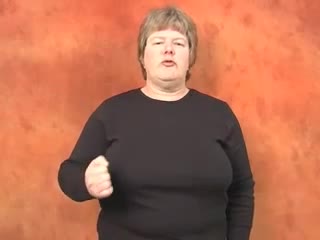
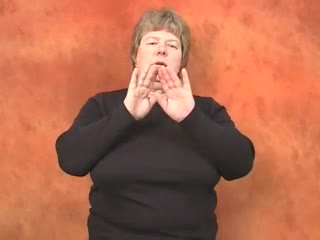
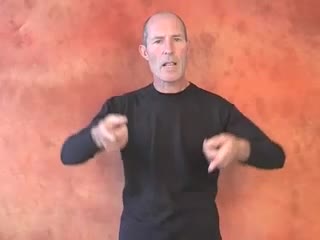
The BSL sign for culture is a beautiful example of how BSL often captures abstract ideas with clear, visual logic. When you make this sign, you're pointing to a concept that's deeply rooted in shared understanding and identity. It speaks to the collective way a group of people thinks, creates, and lives, encompassing everything from traditions and arts to values and beliefs.
What makes this sign so compelling is its location and movement. Placing the dominant C-shaped hand at the side of your head suggests something that resides within the mind or intellect, but crucially, it's not just one person's thought. The C-shape itself can subtly evoke a sense of community or collective structure, a container for shared ideas. The twisting rotation then adds dynamism, illustrating how culture isn't static; it evolves, shifts, and deepens over time, passed down and reinterpreted.
This sign effectively encapsulates the breadth of "culture." It doesn't narrow it down to just one aspect, but rather presents it as a living, breathing entity that shapes a group. Learners often appreciate how this single gesture can convey such a rich and complex idea, making it a foundational sign for discussing identity, heritage, and shared experience within the Deaf community and beyond.
When This Sign Feels Natural
This sign feels incredibly natural and appropriate in a wide range of contexts where you're discussing the shared characteristics of a group. You'll use it effortlessly when talking about a country's unique heritage, like "British culture" or "Japanese culture," or when exploring the distinct practices of a particular community, such as "Deaf culture" or a "regional culture." It's your go-to sign for broad cultural discussions.
Beyond national or ethnic contexts, the sign for culture is also perfectly suited for discussing more specific social groups or phenomena. Think about conversations regarding "workplace culture," "pop culture," or "sports culture." In these instances, the sign retains its core meaning of shared norms, values, and practices that define a particular group or activity, making it highly versatile for various registers, from formal presentations to casual chats among friends.
While the sign is broad, it's worth noting that its universality means you won't typically need a "different" sign for the same concept in BSL. Its strength lies in its adaptability. However, remember to pair it with clear context and other signs if you need to specify which aspect of culture you're focusing on – for example, CULTURE + FOOD for food culture, or CULTURE + ART for artistic culture. The sign itself is robust, so focus on enriching your meaning with surrounding signs rather than seeking an alternative for "culture" itself.
What Learners Usually Miss
One subtle but crucial aspect learners sometimes miss with the BSL sign for culture is the precision of the twisting rotation. It’s not just a waggle or a simple circular motion. The movement should be a controlled, inward twist of the wrist, almost as if you’re gently turning a doorknob or rotating a small globe held by your C-hand. The C-shape remains relatively stable as your wrist rotates, rather than the fingers opening or closing significantly. Many learners initially make the movement too broad or too loose, which can detract from the sign's clarity and make it look more like "mind" or "brain" if the C-shape isn't perfectly maintained.
Another common oversight relates to the dominant hand position and facial expression. While the C-shape starts at the temple area, make sure your palm isn't pressing flat against your head. There should be a small, subtle gap, indicating the concept is about the head/mind but not stuck to it. Crucially, your facial expression should often reflect the context. If you're discussing "rich culture," a warm, appreciative expression is fitting. If it's "a struggle for cultural identity," your face will convey that weight. A neutral face can be fine for general statements, but for nuanced discussions, your face adds vital layers of meaning.
Finally, learners sometimes underemphasise the power of the C-shape itself. It’s not just a random handshape; it actively contributes to the sign's meaning. Ensure your C-shape is firm and clearly defined, not a loose, open hand. This firm C-shape, combined with the precise twisting movement, clearly delineates "culture" from other similar signs that might use a flat hand or different movements around the head. Practising this exact combination of handshape, location, and controlled twist will significantly improve your signing of "culture" and its immediate recognition by native BSL users.
A Simple Way to Remember It
To help you easily recall the BSL sign for culture, think about how the sign visually represents the growth and shared nature of collective human experience. Imagine your dominant hand's C-shape as encompassing a community or a collective idea, placed at the side of your head because culture is fundamentally about shared thoughts, values, and intellect. The gentle twisting motion then signifies the continuous development, evolution, and passing down of these shared elements over generations. It's like gently stirring a pot of shared ideas and traditions that continually evolve.
- C for Community/Collective: Visualise the C-shape as holding or representing a group of people or a shared set of ideas, much like a community or the "collective unconscious."
- Head for Shared Thought: The location at your temple reminds you that culture originates from and resides within the collective mind, encompassing shared knowledge, beliefs, and ways of thinking.
- Twist for Evolution/Tradition: The twisting movement can be seen as the dynamic nature of culture – it's constantly developing, being handed down, and reinterpreted, like a thread being woven through time.
Short Practice Situations
- Imagine you're describing a festival: "The festival celebrated the rich and vibrant local culture."
- Discussing national characteristics: "What aspects of British culture do you find most interesting or unique?"
- Talking about identity: "Deaf culture is a huge part of my identity and how I connect with the world."
- Comparing different ways of life: "The workplace culture there was very different from what I was used to."
- Expressing appreciation: "I really admire the way they preserve their traditional culture through storytelling."
Signs to Learn Next
- TRADITION: This sign often involves repeating a gesture downwards, indicating something passed down through generations. It connects naturally to "culture" as traditions are a core component of any culture's heritage.
- HISTORY: Signed with a movement indicating progression backward, "history" provides the timeline and narrative framework within which cultures develop and are understood.
- COMMUNITY: Typically signed with hands forming a circle, "community" is intrinsically linked to "culture" because culture is always shared by and developed within a group of people.
- IDENTITY: Often signed pointing to oneself then incorporating aspects of shared experience, "identity" is what individuals derive from their cultural background and how they express belonging.
- PEOPLE/COUNTRY: While distinct, knowing how to sign "people" or "country" allows you to specify whose culture you are referring to, making your conversations much clearer and more precise.