What This Sign Means in BSL
The BSL sign for today is one of those foundational signs that you’ll use constantly in everyday conversation. It’s beautifully direct and visually intuitive, immediately grounding your communication in the present moment. Unlike some signs that carry a nuanced emotional tone, "today" is generally neutral, serving as a straightforward temporal marker. It tells your audience exactly when something is happening, setting the stage for the rest of your message.
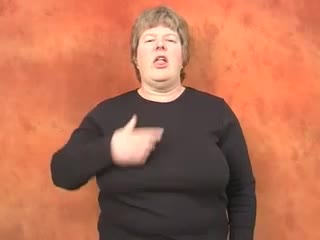
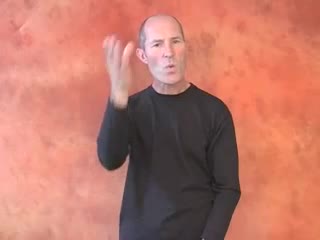
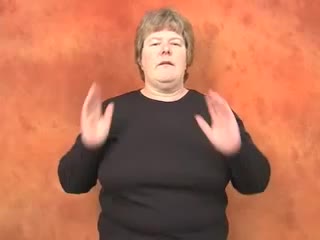
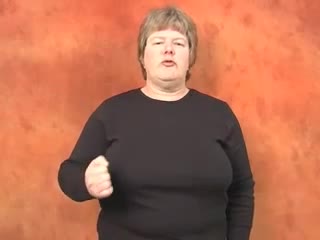
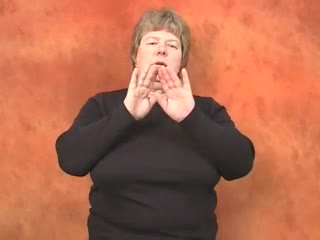
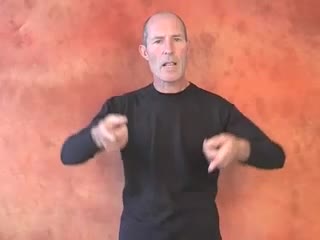
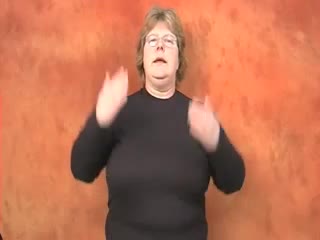
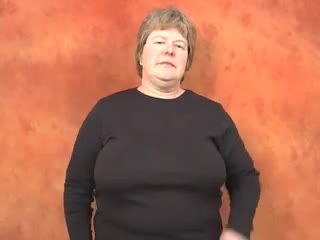
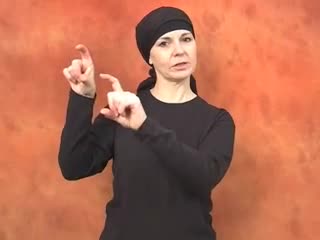
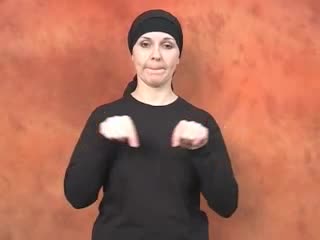
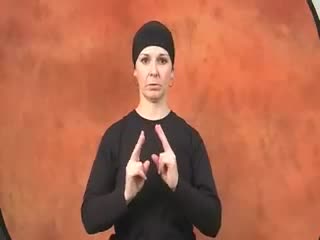
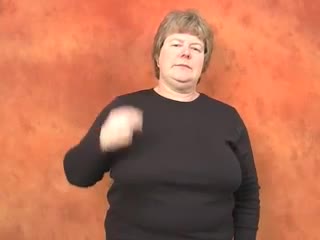
Visually, imagine presenting the entire day, or "all that is happening now," right in front of you. Both hands start near your chest or shoulders, flat and open, almost as if holding the concept of the current day. They then move forward and slightly down in a smooth, gentle arc. This movement signifies bringing the present from within your thoughts or current awareness, out into shared space. It's a clear, unambiguous statement that says, "This is the time we are talking about."
Mastering this sign early on is incredibly valuable. It’s not just a standalone word; it's a building block for more complex time concepts and a crucial element for establishing the timeline of events in BSL. Its simplicity belies its importance, as it helps prevent confusion about when an action or event is taking place, making your signed conversations much clearer and more precise from the outset.
When This Sign Feels Natural
You’ll find yourself reaching for the BSL sign for "today" in countless everyday scenarios. It feels most natural when discussing plans, current events, immediate tasks, or how you’re feeling right now. Think about asking a friend, "What are you doing today?" or sharing, "I have a lot of work today." It’s perfectly suited for setting the daily schedule, reflecting on the current mood, or talking about anything that is explicitly happening within the boundaries of the current twenty-four-hour period.
The register for "today" is wonderfully versatile, fitting comfortably into most conversational contexts. Whether you’re having an informal chat with family, a more structured discussion with colleagues, or participating in a formal presentation, this sign holds its ground. It’s a standard, universally understood time marker that doesn't carry specific connotations of formality or informality, making it a reliable choice for almost any audience you might encounter in the UK Deaf community.
While "today" is indispensable, there are times you might consider alternatives or more specific time markers. For instance, if you're talking about specific parts of the day, you might sign "this morning," "this afternoon," or "tonight." Or, if the context of your conversation has already clearly established that you're discussing current events, you might omit "today" altogether, as natural BSL often relies on context to convey meaning, much like spoken English. Avoid overusing it if the temporal reference is already obvious to prevent your signing from becoming redundant.
What Learners Usually Miss
One common oversight for new learners is the subtle but important quality of the movement. The hands don't just push forward; they trace a smooth, gentle arc, starting higher near the chest/shoulders and moving forward and slightly down to end in front of the body. Beginners sometimes make the movement too abrupt, too small, or too high. Focus on the graceful sweep that brings the current moment into focus, ensuring it feels fluid and natural, not stiff or stunted.
Another area where learners often stumble is ensuring both hands work in perfect synchronicity and maintain the correct handshape throughout the movement. Your hands should be flat, fingers together, and thumbs alongside, moving as a unified pair. Sometimes one hand might lead slightly, or the handshape might loosen. The power of this sign comes from the symmetrical, combined presentation of both hands, clearly indicating a complete, unified period of time. Practice in front of a mirror to ensure your hands are mirroring each other's path and form precisely.
Finally, while "today" itself doesn't demand a specific facial expression (it's often quite neutral), learners sometimes forget its role in establishing the rhythm of a signed sentence. This sign often acts as a temporal anchor, setting the stage for what follows. It should be signed with a clear, confident presence, not rushed or mumbled. Also, be mindful of overuse; once you've established the current day, you don't always need to repeat "today" in every subsequent sentence if the context remains clear. Trust the flow of the conversation and the intelligence of your audience.
A Simple Way to Remember It
Think of the sign for "today" as literally presenting the current day to someone. Your flat hands are like two open palms, offering up the present moment, sweeping it from your personal space out into the shared conversation. It's a clear, open gesture that makes the concept of "now" tangible and visible for everyone. Imagine unwrapping the day and laying it out before you.
- Presenting the Day: Picture your flat hands holding "today's events" and gently presenting them forward to your audience, like a gift or an important document.
- Sweeping into Now: The arc movement can be seen as sweeping away the past and bringing everything into the immediate "now," right in front of you.
- Two Hands, One Day: Using both hands reinforces that you're talking about the entire current day, complete and whole, not just a part of it.
Short Practice Situations
- Ask a friend: "What are your plans for today?"
- Share a feeling: "I’m feeling quite tired today, so I’ll take it easy."
- Make a request: "Can we finish discussing this important topic today?"
- Refer to an event: "The community event today was incredibly well-attended."
- Compare time: "Today’s weather is much warmer than it was yesterday."
Signs to Learn Next
- Yesterday: This is the natural progression from "today," immediately establishing the past tense and allowing you to talk about recent events.
- Tomorrow: Completing the essential trio, "tomorrow" allows you to discuss future plans and events, building on your understanding of time markers.
- Now/Currently: While "today" refers to the whole day, "now" is more precise, often indicating an exact moment within "today." Learning it helps you pinpoint timing.
- This Week: Extending the concept of a current time period, "this week" uses similar principles to "today" but broadens the scope to seven days.
- Morning/Afternoon/Evening: These signs break down "today" into specific segments, allowing for more detailed and nuanced communication about when things happen within the current day.