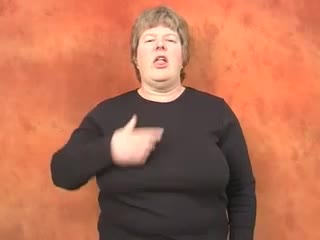
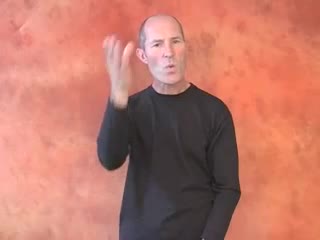
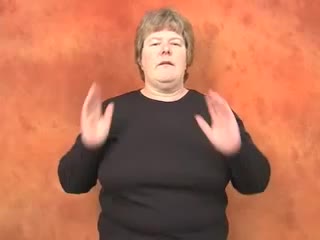
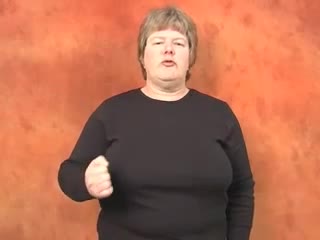
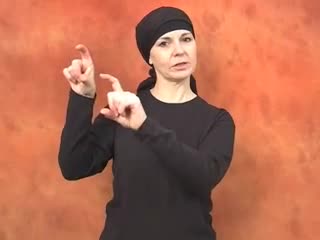
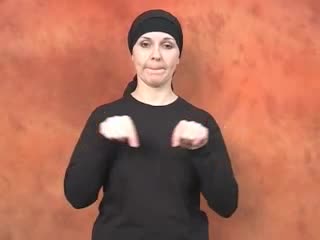
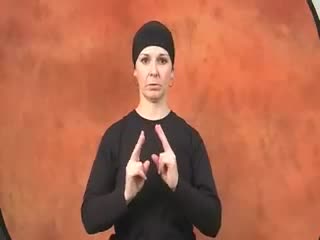
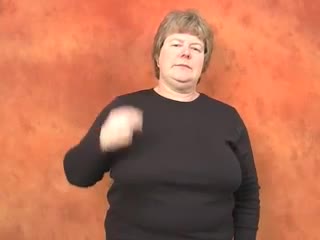
What This Sign Means in BSL
The BSL sign for tomorrow is one of those foundational signs you’ll use every single day. It’s a direct, unambiguous way to refer to the day immediately following the current one. When you see it, you’re looking at a sign that clearly points forward in time, establishing a future reference point for your conversation. It’s a simple, elegant piece of BSL that anchors many discussions about plans, events, and future actions.
Its meaning is purely temporal, marking a specific 24-hour period. There’s no hidden layer of emotion or connotation built into the sign itself; it’s a neutral marker for time. This simplicity is its strength, making it universally understood and incredibly versatile across all kinds of BSL conversations, from casual chats about weekend plans to more formal discussions about upcoming appointments.
What’s particularly notable about "tomorrow" is how its form intuitively reflects its meaning. The forward motion isn't just arbitrary; it's a visual metaphor for the progression of time, moving from the present moment towards what lies ahead. Understanding this direct connection between form and meaning often helps learners not just to remember the sign, but to grasp the underlying logic of BSL’s temporal markers.
When This Sign Feels Natural
You’ll find the sign for "tomorrow" feels natural in countless everyday situations where you need to refer to the next day. Think about making plans with friends, discussing work schedules, or simply talking about what’s coming up. If you’re arranging a meeting, saying, "Let’s meet tomorrow," flows perfectly. Or perhaps you’re discussing an upcoming event, "The concert is tomorrow." It’s a workhorse sign that fits seamlessly into both informal chatter and more structured conversations.
This sign is suitable for any audience and any register in BSL. It doesn't carry any slang or highly formal undertones, making it a reliable choice whether you're signing with family, colleagues, or new acquaintances. It's the go-to sign when the specific concept of "the next day" is what you need to convey, without adding any further temporal nuance like "later" or "soon."
While "tomorrow" is often used on its own, it’s also a building block for more complex time expressions. For example, you might combine it with other signs to specify "tomorrow morning" or "tomorrow afternoon." However, when you simply need to state that something will happen the day after today, the standalone sign for "tomorrow" is precisely what you need, making it a clear and efficient choice in almost any situation.
What Learners Usually Miss
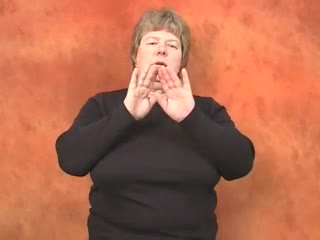
One of the most common things learners miss with the BSL sign for "tomorrow" isn’t the general idea, but the *precision* of its execution. Often, people simplify the handshape, perhaps letting fingers splay slightly or not tucking the thumb fully. Remember, it’s a
flat hand with
fingers together and the
thumb tucked neatly against the palm or side of the hand. This specific handshape is important for clarity and distinguishes it from other signs that might use a similar movement but with a different handform.
Another subtle but critical element is the
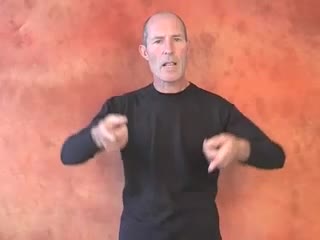
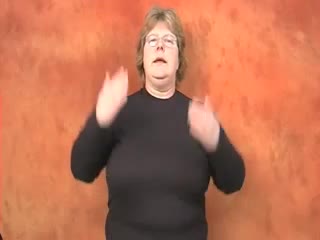
movement. It’s not just a straight poke forward. Observe carefully and you’ll see it’s a gentle
forward arc. The hand starts near the side of the face or ear and sweeps forward and slightly away, completing a small, smooth curve. Learners sometimes flatten this arc into a linear push, which, while still understandable, loses a bit of the sign's natural flow and precision. Pay attention to that graceful curve; it adds to the sign's visual elegance and often indicates a natural progression of time.
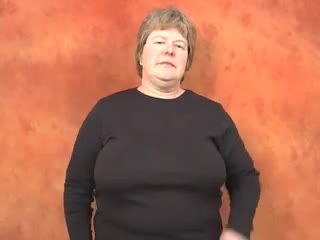
Finally, while the sign itself is neutral, learners sometimes neglect the default
facial expression. For "tomorrow," the baseline expression should be neutral and relaxed. Overly keen or worried expressions, unless deliberately added for context (e.g., "I dread tomorrow"), can inadvertently alter the perceived meaning of your statement. Practice maintaining a calm, open face when signing "tomorrow" on its own, letting any emotional nuance come from the broader sentence or specific accompanying signs, not from an unprompted facial overlay on this basic time marker.
A Simple Way to Remember It
Think of the BSL sign for "tomorrow" as your hand sweeping away the current day and ushering in the next. The flat hand pushes forward from beside your face, like clearing the slate for a new day, or perhaps like a gentle push into the future. It’s a forward motion, indicating forward in time, and that smooth arc guides you seamlessly from the present moment to what lies ahead.
- The Forward Sweep: The hand moving forward from beside your face is like pushing time ahead, signifying the future, the 'next' day.
- A Clean Slate: Imagine the flat hand as a fresh, clean page ready for a new day's events, unburdened by today.
- The Arc of Time: The gentle arc movement can be pictured as the sun's path or the turning of a clock hand, symbolising the natural progression into the next day.
Short Practice Situations
- "Can we meet tomorrow instead of today?"
- "I have a big presentation tomorrow morning, so I need to prepare."
- "What are your plans for tomorrow evening?"
- "The new policy will come into effect starting tomorrow."
- "I hope the weather is better tomorrow for our picnic."
Signs to Learn Next
- Today: This is a natural companion to "tomorrow," as it anchors your conversation in the present moment. Learning "today" helps you build a full temporal framework.
- Yesterday: Another essential time sign, "yesterday" completes the basic trio of present, past, and future. Understanding the subtle directional differences between these three is crucial.
- Next Week: Once you've mastered "tomorrow," combining it with "week" to form "next week" (often signed as "tomorrow" followed by "week") is a logical progression for discussing future periods.
- Later: While "tomorrow" specifies the next day, "later" offers a more general future reference within the same day or a less defined future point. It's good to distinguish between their specificities.
- Future: This broader concept of time ahead shares the general forward movement seen in "tomorrow," but signifies a more distant or indefinite period, expanding your vocabulary for discussing time.