Speed
0
Practice reps times watched

Create a free account to keep your watch history and review plan.

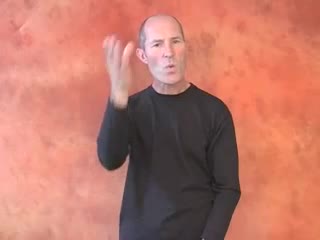
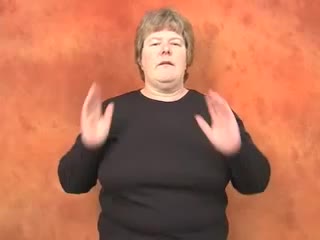
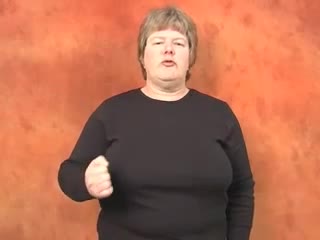
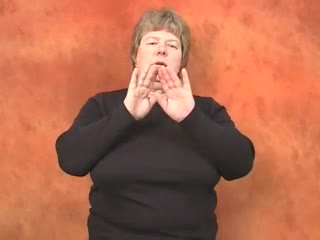
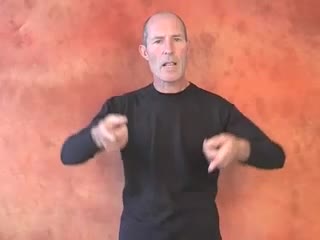
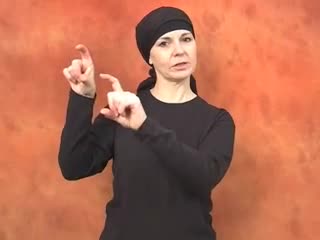
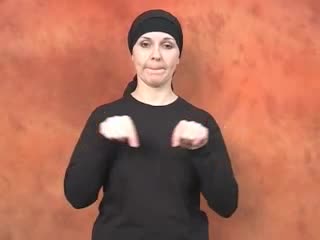
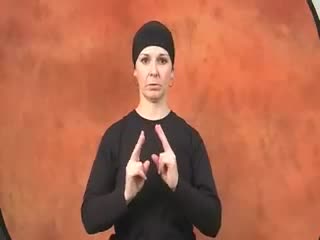
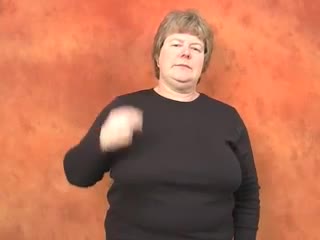
Best practice Use mirror mode, then watch the frame breakdown below to catch the start, movement, and finish cleanly.
Video via SpreadTheSign  - Free educational resource BSL
Updated April 26, 2026
British Sign Language (BSL) 🟢 Beginner 📊 A2 ⚡ Common Noun

truth

The quality or state of being true; what is in accordance with fact or reality

Source-linked video Step-by-step guide Context and safety notes
Synonyms
Fact reality veracity authenticity
Antonyms
Lie falsehood untruth fiction
Difficulty
Not rated yet

Create a free account to save this sign, keep your watch history, and unlock a one-note journal preview.

How to sign it
Handshape
Index finger extended, other fingers curled, thumb rests alongside
Location
Starts near chin/mouth, moves to neutral space in front
Movement
Straight or slightly arcing path forward from chin/mouth
Palm Orientation
Palm-in, rotating to palm-forward
Facial Expression
Neutral expression, slight nod sometimes for emphasis
🔁 Spaced Review Try it free

How well do you know this sign?

TRUTH
Your Progress Live
🌱
Level 1 · BSL Beginner +0 XP today
This sign Not learned yet
0 watches
Mastery 0%
Confidence
How well do you know this sign?
0 🔥 Streak
0 Signs seen
0 Learned
0 Watches
📖 Vocabulary health 🔒 Log in to see score
0 Mastered
0 Confident
0 Practicing
0 Just seen

Create a free account to keep your vocabulary score between sessions

7-day activity 0 of 7 active

Register free to sync activity across devices

Watch signs to see your history here

Tracking locally for now. Create a free account to save your progress and sync across devices.
Free gets you started. Paid adds the repeat-learning layer: review queues, deeper notes, compare mode, and better comeback tools.
My Sign Journal
Personal notes, saved to your account forever
Locked

Write memory tricks, usage examples, and cultural reminders beside each sign. Create a free account to unlock your first saved note preview on this page.

Create free account Already have an account? Log in

What This Sign Means in BSL

The BSL sign for truth is a foundational concept sign, representing honesty, veracity, and an undeniable fact. When you make this sign, you’re not just conveying information; you’re asserting its authenticity and sincerity. It carries a gravitas, often used in contexts where the speaker wants to emphasize the factual nature or genuine sentiment behind their communication.

Visually, the sign is quite intuitive. It uses a single, extended index finger, which acts almost like a physical pointer of certainty. Starting near the chin or mouth, the movement travels forward into neutral space. This outward motion embodies the idea of "speaking the truth," "revealing the truth," or "bringing the truth out into the open." It's a clear, direct sign that leaves little room for ambiguity.

The sign's tone is typically earnest and serious. While it can be used in casual conversation, it often signals a moment of emphasis. Think of it as a sign that asks you to pay attention, because what's being communicated holds significant weight and is presented as indisputable fact. It’s a powerful sign that reinforces trust and clarity in your communication.

When This Sign Feels Natural

You'll find the BSL sign for truth feels most natural when you are affirming a fact, making a sincere statement, or asking for genuine information. Imagine a conversation where someone is questioning a situation, and you want to reassure them that what you're sharing is absolutely correct – this is where "truth" shines. It's suitable for both formal discussions, like a serious debate or giving evidence, and more personal, heartfelt conversations where honesty is paramount.

Consider using this sign when you want to distinguish between what is fact and what might be opinion or speculation. For instance, if you're recounting an event, signing "truth" afterwards can underscore that your version is exactly what happened, not an embellished story. It’s a good choice when you want to be utterly transparent and ensure your audience understands you are speaking with full integrity.

However, it’s worth noting when you might choose a different sign. If you’re simply talking about something being "real" or "actual" in a less emphatic way, other signs might fit better. "Truth" carries a slightly heavier connotation of honesty and sincerity. It's less about general reality and more about the *veracity* of a statement or the *honesty* of a person. Use it when that specific nuance of truthfulness is precisely what you intend to convey.

What Learners Usually Miss

One common subtlety learners often miss with the BSL sign for truth is the exact firmness and trajectory of the movement. It’s not a gentle flick or a vague wave. The movement should be deliberate and relatively straight or with a slight, controlled arc forward. Sometimes learners make the movement too weak, too short, or too erratic, which can diminish the sign's impact and clarity. Think of it as a confident assertion, not a hesitant suggestion.

Another frequently overlooked aspect is the role of facial expression. While the handshape and movement are key, the face adds crucial context. For "truth," your expression should convey sincerity, seriousness, or conviction. A neutral or overly relaxed face can make the sign feel less authentic. Practise signing "truth" while maintaining eye contact and a focused, earnest expression – this truly brings the sign to life and reinforces its meaning.

Finally, the precise starting location is important. The sign begins quite close to the chin or mouth. Some learners start it too far away from the face, which can make it look like a different sign or lose its connection to "speaking" the truth. Ensure your index finger is clearly originating from that chin/mouth area before moving forward. This slight adjustment makes a significant difference in the sign's accuracy and natural flow within BSL conversation.

A Simple Way to Remember It

Imagine your extended index finger as a laser beam of honesty, shooting straight out from your mouth to declare what is undeniably factual. This sign is about directness and certainty, like pointing exactly to what is correct.

  • The Point of Truth: Your index finger is the ultimate pointer, indicating precisely what is true. It’s direct, unambiguous, and firm.
  • Speaking from the Source: Starting near your chin/mouth visually connects the sign to the act of speaking or declaring something with integrity.
  • Projecting Certainty: The straight, forward movement isn’t hesitant. It’s a projection of confidence and certainty into the space in front of you.

Short Practice Situations

  • You're explaining something important to a friend and want to emphasize your honesty: "I promise you, this is the truth."
  • Someone asks if you're serious about a commitment: "Yes, I really mean it. That's the truth."
  • You're discussing a news story and want to assert a particular fact: "According to the report, the actual truth of the matter is..."
  • Asking for honest feedback: "Please tell me the absolute truth about what you think."
  • Admitting something difficult but necessary: "It was hard to say, but I had to speak the truth."

Signs to Learn Next

  • HONEST: While similar in meaning, "honest" (often a dominant hand "H" or open hand brushing the chest) focuses more on the quality of being sincere and trustworthy, whereas "truth" is about the veracity of a statement or fact itself. They often go hand-in-hand.
  • LIE: This is a direct opposite, typically signed with the index finger brushing across the mouth, indicating a deviation from truth. Learning it next helps to understand the semantic field.
  • BELIEVE: This sign, often signed with an open B-hand at the forehead and moving down to the dominant hand clasping it, connects to truth as it's about accepting something as true or real.
  • FACT: Often signed with an 'F' handshape making contact. "Fact" relates closely to "truth" as facts are established truths. Understanding the distinction helps in precise communication.
  • REAL/ACTUAL: This sign, often a dominant 'R' hand twisting forward, indicates something exists or is authentic. It's related to truth in that something real is typically true, but "truth" specifically carries the nuance of veracity and sincerity.

🤖 AI Learning Guide for "truth"

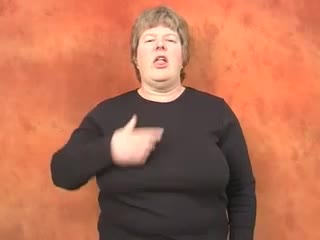
Index finger from chin moves forward, signifying a factual statement

🎯 Practice Challenge

Practice forming the G-handshape clearly. Focus on the straight, confident movement from chin to neutral space. Mouth 'truth' naturally

⚠️ Most Common Mistake

Ensure your index finger is fully extended, and the movement is a clear, deliberate path forward, not vague or hesitant. Maintain correct palm orientation

👐 How to Sign "truth" in British Sign Language (BSL) (Quick Answer)

Follow these steps to sign truth correctly in British Sign Language (BSL):

  1. 1 Form G-hand (index finger extended)
  2. 2 Start hand near chin/mouth, palm-in
  3. 3 Move hand forward in straight path
  4. 4 Rotate palm to face forward as it moves

Tip: Watch the video above while following these steps for best results.

🤚 Sign Profile

🤚
Handshape
Index finger extended, other fingers curled, thumb rests alongside
🔣
Handshape Code
G-hand (pointing hand)
Dominant Hand
Either
🙌
Hand Count
One-handed
📍
Location
Starts near chin/mouth, moves to neutral space in front
↗️
Movement
Straight or slightly arcing path forward from chin/mouth
🔄
Movement Type
Linear
👆
Contact
Air
👋
Palm Orientation
Palm-in, rotating to palm-forward
⚖️
Symmetry
Asymmetric

😊 Non-Manual Features

Facial expressions and body language are grammatically essential in British Sign Language (BSL) - not optional!

😊
Facial Expression
Neutral expression, slight nod sometimes for emphasis
🙆
Eyebrows
Neutral
👁️
Eye Gaze
Forward
🙂
Head Movement
None
👄
Mouth Morpheme
Mouthing 'truth' or 'true'
🕴️
Body Shift
None

📖 Grammar & Linguistics

Part of Speech Noun
Inflection No
Classifier Usage N/A
Role Shift No

🎓 Learning Context

📌 When to Use: Discussing facts, reality, honesty, or making a factual statement
⚠️ Common Mistake: Confusing with 'true' (adjective), incorrect palm orientation, weak movement
🚫 When NOT to Use: When meaning a lie, falsehood, or opinion not based on fact
Context Tags
Honesty fact reality statement accuracy

🧪 Practice Lab

Use these tiny checks right after watching the video. Fast feedback is what turns recognition into recall.

Meaning check

Which word matches the sign you just watched?

Usage check

Where would this sign fit most naturally?

Confidence check

How do you feel about truth right now?

Pick one so SignDeaf can shape the rest of your session around how this sign actually feels.

🧭 Scenario Drill

One sign gets remembered faster when you attach it to real situations. Try these quick scene prompts.

Work

Stretch practice

Use this sign in a short workplace sentence or meeting exchange.

Family

Stretch practice

Try signing this while talking about family life or something at home.

School

Stretch practice

Imagine teaching this sign to a classmate or using it in a lesson.

Doctor

Stretch practice

Practise it in a healthcare conversation where clarity matters.

Travel

Stretch practice

Use it in a travel scenario like asking for help or directions.

💬 Example Usage

1.[en] Tell me the truth. / BSL:[You tell me TRUTH] | 2.[en] The truth is important. / BSL:[TRUTH IMPORTANT] | 3.[en] Is that the truth? / BSL:[THAT TRUTH QUESTION-MARK]

1.[en] Tell me the truth. / BSL:[You tell me TRUTH] | 2.[en] The truth is important. / BSL:[TRUTH IMPORTANT] | 3.[en] Is that the truth? / BSL:[THAT TRUTH QUESTION-MARK]

When to use it

Discussing facts, reality, honesty, or making a factual statement

When not to use it

When meaning a lie, falsehood, or opinion not based on fact

Register

Neutral

🌍 Cultural Context

Directness and clarity are valued in BSL communication

🗺️ Regional Variations

Generally stable across the UK, minor stylistic differences possible

⚖️ Similar Signs - What's the Difference?

This sign truth
VS
Similar signs Look closely
The sign for 'truth' is visually very similar to 'true' (adjective), often differing only in grammatical context and subtle non-manuals. 'Honest' typically uses a different handshape (often H-hand or flat hand) and a distinct downward brushing movement on the chest. 'Real' or 'actual' usually involves an R-handshape or modified 5-hand, with a different location and movement

📝 Usage Notes

Often accompanied by mouthing 'truth' or 'true' for clarity. Can be emphatic

Frequently Asked Questions

Common questions about the British Sign Language (BSL) sign for "truth".

🏷️ Tags

Handshape

Keywords

💡
Did you know?
Repetition is key. Try signing this word 10 times, slowly at first, then at natural speed.

📚 Explore More British Sign Language (BSL) Signs

Keep building your British Sign Language (BSL) vocabulary - explore signs by category or browse the full dictionary.