What This Sign Means in BSL
The BSL sign for noon is a beautifully precise way to mark the exact middle of the day. It doesn't just mean "around lunchtime" or "sometime in the middle of the day"; it pinpoints that specific moment when the sun is theoretically at its highest point in the sky. Think of it as the apex of the day, a clear demarcation that helps you organise your schedule with accuracy.
This sign is a noun, representing a fixed point in time, and it carries a sense of straightforward clarity. When you use it, you're communicating a definite time, leaving little room for ambiguity. It’s a foundational sign for discussing daily routines, appointments, and deadlines, acting as a crucial anchor in conversations about time.
What makes this sign particularly valuable is its universality within BSL in the UK. Regardless of regional variations, the core form and meaning of this sign remain consistent, making it a reliable choice for clear communication about midday. Its simplicity belies its importance in the daily rhythm of signed conversations.
When This Sign Feels Natural
You'll find yourself naturally reaching for the BSL sign for noon whenever you need to specify an exact midday appointment or event. For instance, if you're arranging to meet a friend, you might sign, "MEET US NOON PUB," clearly setting the time for your rendezvous. It's perfect for conveying schedules, like "SHOP OPEN NOON," indicating the precise opening time.
This sign fits comfortably in both formal and informal registers. Whether you're discussing a professional meeting with colleagues or chatting casually about when to start a project, "noon" works perfectly. It’s direct, unambiguous, and universally understood, making it adaptable to almost any audience or social context where time precision is needed.
However, it’s worth noting when you might choose a different sign. If you mean "lunch" specifically, even if it happens around noon, there's a distinct sign for that. Similarly, if you want to express a broader period like "the middle of the day" without strict precision, you might use other descriptive signs. The BSL sign for noon is for that precise moment, not the general timeframe surrounding it.
What Learners Usually Miss
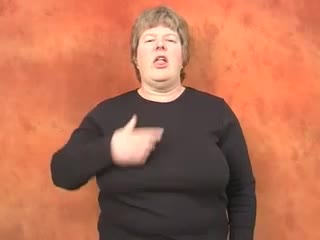
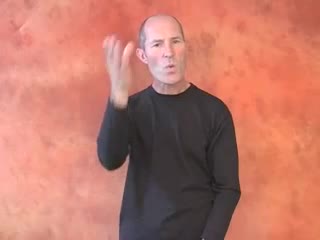
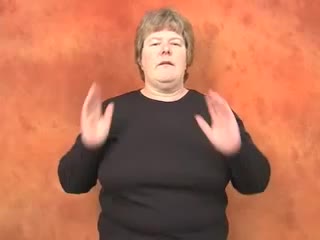
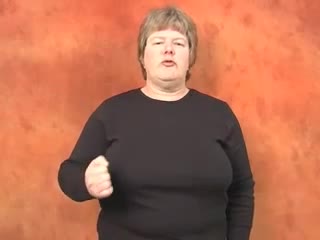
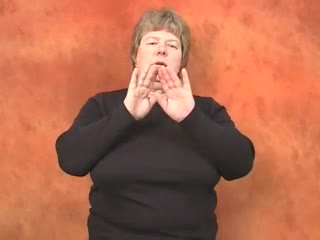
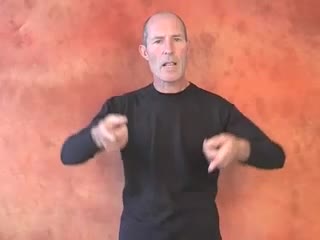
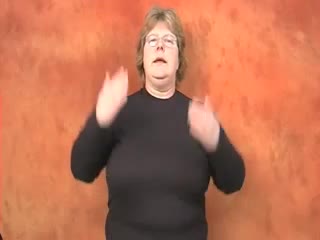
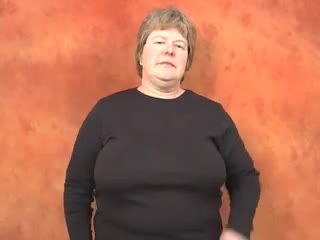
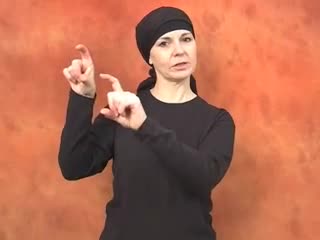
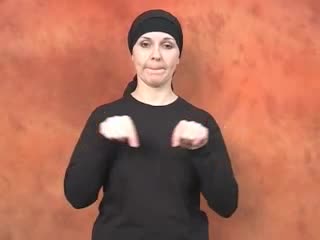
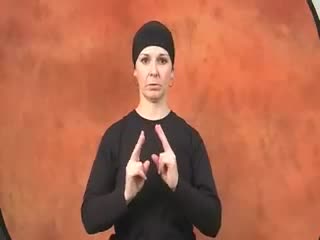
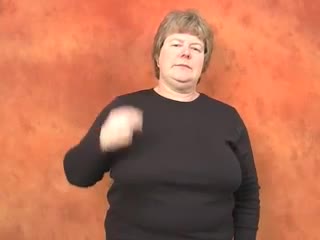
One common oversight learners make with the BSL sign for noon is confusing its precise movement and static hold with other signs that might involve an upward motion. The key here is the arc: your index finger doesn't just go straight up. It traces a gentle, deliberate upward arc, mimicking the sun's path to its highest point, and then crucially, holds statically at that peak around dominant shoulder height. Skipping the arc or failing to hold the position can make the sign less clear or even resemble parts of other signs.
Another subtle point often missed is the importance of the dominant hand's clear extension of the index finger, while the other fingers remain curled neatly. Some learners might let their other fingers relax slightly, which can muddle the distinct handshape. Precision in this handshape is vital; it’s like a pointer, directly indicating the highest point, demanding a crisp, clear '1' handshape (as sometimes described in other sign languages, though in BSL, we focus on the extended index finger).
Finally, while facial expression isn't strictly necessary for the meaning of "noon," learners sometimes overlook how adding a subtle, neutral expression reinforces its directness. Avoid overly dramatic expressions unless you're emphasising "exactly noon!" Otherwise, a calm, straightforward face supports the sign's inherent clarity. Pay attention to keeping the sign in the neutral space, not too far forward or to the side, maintaining that central "highest point" illusion.
A Simple Way to Remember It
Imagine the sun at its highest point in the sky, directly above you. The BSL sign for noon beautifully encapsulates this image, making it easy to recall. Your extended index finger acts as a pointer, representing the sun itself, rising to its peak and holding there.
The Sun's Ascent: Visualise your hand, with the index finger extended, starting lower down and arching upwards, just like the sun climbing towards its zenith. This movement is the core of the sign.
The Peak Position: The static hold at the top, around dominant shoulder height, symbolises the sun's highest point, the precise moment of midday. Your finger is directly pointing up, marking that exact time.
The "Point" of Time: Think of your index finger as literally "pointing" to a specific time, much like a clock hand. It's not a general wave; it's a definite pointer to a precise moment.
Short Practice Situations
Let's meet at the cafe at noon for a catch-up; it works best for my schedule.
The museum usually opens its doors promptly at noon on weekdays.
I need to submit the report by noon today, so I'm working hard this morning.
What time does the conference break for lunch? I think it's around noon.
Can you remind me about the online meeting? Is it scheduled for noon?
Signs to Learn Next
MORNING: Understanding "morning" helps you sequence your day effectively. It’s the period leading up to noon, often signed with a similar upward movement but with a different handshape or trajectory.
AFTERNOON: This sign naturally follows "noon," marking the next significant portion of the day. Learning it helps you create a complete timeline for daily events.
DAY: The broader concept of "day" or "daytime" provides context for specific time markers like noon. It helps to differentiate between "noon" as a point and "day" as a duration.
TIME: Essential for asking and responding to questions about specific times. When combined with "noon," you can ask "WHAT TIME NOON?" to confirm or specify.
LUNCH: Often associated with noon, this sign is distinct and crucial for discussing meals. While noon marks the time, "lunch" refers to the meal itself, giving you more nuanced communication.