What This Sign Means in BSL
The BSL sign for month is one of those foundational signs you’ll learn early on, and for good reason. It directly communicates the concept of a monthly period, a vital unit of time in daily conversation. When you see this sign, you know you’re dealing with a duration of roughly 30 days, whether you’re talking about past events or planning for the future.
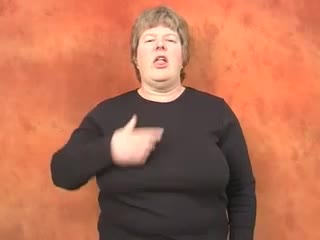
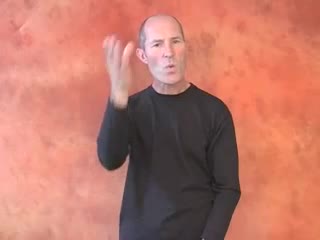
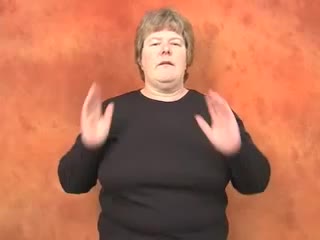
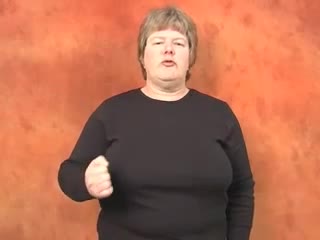
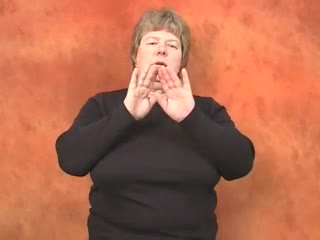
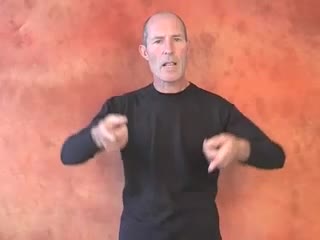
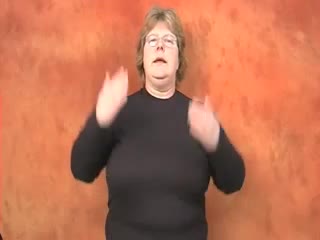
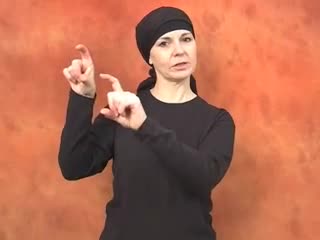
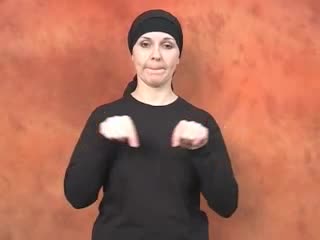
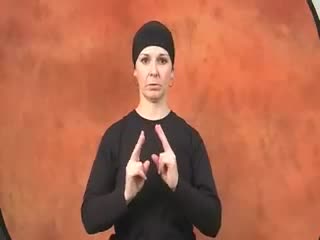
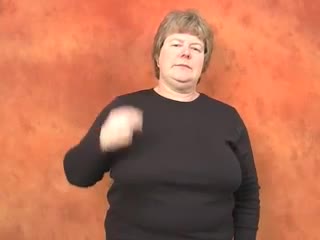
What makes this sign so clear is its distinct combination of handshape, location, and movement. You'll notice the dominant hand forms a precise G-handshape – that's your index finger extended with your thumb alongside it – positioned right by the side of your dominant cheek or jaw. From there, it executes a short, downward arc. This precise, fluid action makes the sign unambiguous and effective.
It’s an essential building block in BSL grammar. Once you master "month," you're equipped to talk about specific durations, like "two months ago" or "every month," and you'll find it integrates seamlessly into more complex time expressions. Think of it as a cornerstone for structuring your BSL communication around periods of time.
When This Sign Feels Natural
You'll find yourself using the sign for "month" constantly in everyday BSL conversations. It feels completely natural when you’re discussing schedules, planning events, or talking about how long something has taken or will take. For example, if you're making plans to meet a friend, you might sign "next month" or "in two months" with ease. It's incredibly versatile for both casual chats and more formal discussions.
This sign is the go-to for referring to a general monthly period. It works whether you're recounting something that happened "last month" or anticipating an event "next month." It’s an efficient way to convey time without needing to fingerspell or use more elaborate descriptions, making your communication clear and concise for any BSL user.
While you might sometimes fingerspell the names of specific months (like J-A-N-U-A-R-Y), the actual sign for "month" is distinct and serves a different purpose. It represents the *concept* of a month as a unit of time, rather than a specific named month. So, when you’re discussing durations or recurring events, this sign is almost always the most natural and expected choice.
What Learners Usually Miss
One common area where learners can sometimes falter with the sign for "month" is the precision of the G-handshape. It's crucial that your index finger is clearly extended, and your thumb rests alongside it, not tucked away or extended separately. Sometimes, learners might let their other fingers relax too much, making it look more like a slightly open '5' handshape or a loose 'I', which can create confusion with other signs.
The movement and location are also key. The sign isn't a poke at the cheek, nor is it a wide sweep. It’s a relatively short, distinct downward arc that begins at or very near the side of your dominant cheek or jaw. Ensure the movement is fluid and controlled, rather than jerky or too aggressive. The exact spot matters; avoid letting your hand float too far from your face, which can make the sign less clear or even indistinguishable.
Another subtle point is to ensure the sign is a single, integrated movement. It’s not a two-part action where you touch your cheek then move your hand. Instead, think of it as a smooth, continuous action that starts near the face and arcs downwards. Practising this fluid motion will help the sign feel more natural and legible to native BSL users.
A Simple Way to Remember It
Associating the visual elements of a sign with its meaning can really help it stick in your memory. For "month," try to link its specific form and movement to the idea of marking time.
- Imagine the G-handshape near your cheek as if you're gently drawing a segment on the side of your face, like ticking off a section on a personal calendar.
- Think of the downward arc movement as turning a page on a calendar, signalling the passage from one month to the next.
- The G-hand itself can be a reminder of a "group" of days, specifically a month's worth, visually separated by that distinct movement.
Short Practice Situations
- "How many months until your birthday?" Try signing "how many" followed by "month" and "your birthday."
- "I'm going on holiday next month." Practice signing "holiday," then "next," and finally "month."
- "We haven't seen each other in months!" Sign "we," then "not see," followed by "many months" to express the duration.
- "The project is due in three months." Practice signing "project," then "due," followed by "three" and "month."
- "Can you believe it's been a month already?" Sign "believe," then "it has been" (or a similar expression), then "month" and "already."
Signs to Learn Next
- WEEK: This sign is a natural follow-on as it also marks a fundamental unit of time, but a shorter one. Learning "week" alongside "month" helps you discuss durations with more precision.
- YEAR: Once you've mastered "month," moving to "year" completes the trio of basic time units. You'll notice similarities in how time is conceptualised but distinct handshapes and movements.
- DAY: Understanding "day" will give you the smallest common time unit, allowing you to build up sentences about daily routines or specific dates.
- CALENDAR: This sign directly relates to tracking months and years. Learning "calendar" will help you refer to the tool used for organising these time periods.
- TIME: While "month" specifies a duration, "time" refers to the general concept. Understanding how to use the general "time" sign will enhance your ability to discuss temporal concepts more broadly.