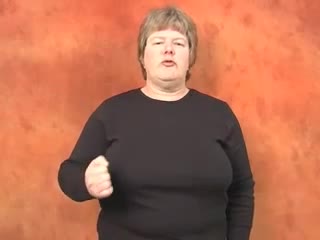
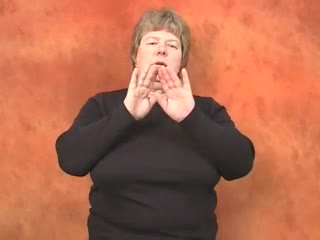
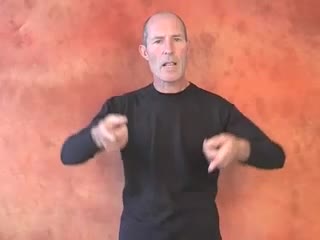
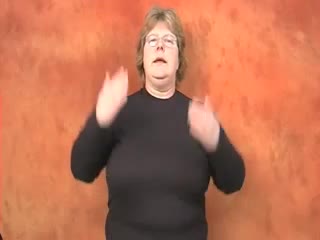
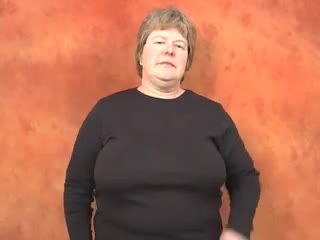
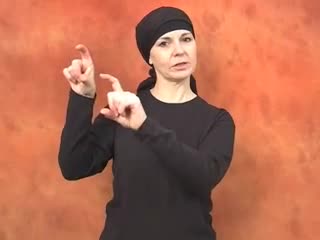
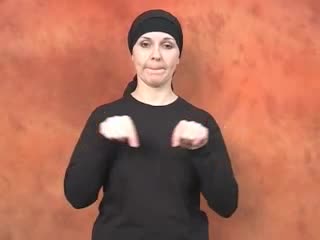
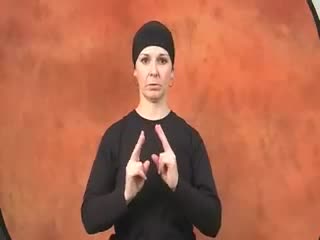
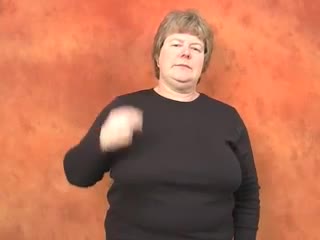
1. [en] See you next week. / BSL: NEXT WEEK | 2. [en] Last week? / BSL: LAST WEEK | 3. [en] Two weeks. / BSL: TWO WEEK
1. [en] See you next week. / BSL: NEXT WEEK | 2. [en] Last week? / BSL: LAST WEEK | 3. [en] Two weeks. / BSL: TWO WEEK
Create a free account to keep your watch history and review plan.
A period of seven days
Save this sign
Build your personal BSL dictionary - free account lets you save signs, track progress, and earn XP.
Create free account Already have an account? Log in →Create a free account to save this sign, keep your watch history, and write unlimited journal notes - everything on SignDeaf is free.
How well do you know this sign?
Keep your streak going
Create a free account for unlimited reviews and to save your progress. Everything on SignDeaf is free.
Create free account Already have an account? Log in →Write memory tricks, usage examples, and cultural reminders beside each sign. Create a free account to keep unlimited notes on every sign - completely free.
Create free account Already have an account? Log inThe BSL sign for week is one of those foundational time signs that truly captures the essence of a recurring cycle. It visually represents a period of seven days in a way that feels incredibly intuitive once you understand its structure. When you see this sign, you're immediately shown a duration, a segment of time that loops back around, much like our calendar weeks do.
This sign stands out because it uses both hands in a very specific, complementary way. Your dominant hand, with its extended index finger, acts almost like a pointer or a marker, tracing the path of time. Meanwhile, your non-dominant hand provides the stable base, the "canvas" or "platform" upon which this temporal movement unfolds. It's a clear, concise visual for a concept we use daily, making it an essential part of discussing schedules, plans, and events in BSL.
You'll find this sign used in countless contexts, from casual conversations about upcoming plans to more formal discussions about project timelines. It's a neutral sign in terms of emotion, but its clarity means you can easily adapt it to express anything from a "long week" (with appropriate facial expression) to a "quick week." Mastering its basic form is a key step in building your BSL fluency for discussing time.
The BSL sign for week feels most natural when you're talking about periods of time that are defined by seven-day blocks. Think about everyday conversations: "I'll see you next week," "We had a fantastic holiday last week," or "I need a few weeks to finish this task." In these situations, the sign slots in perfectly, immediately conveying the duration you mean.
It’s also crucial when combining it with numbers to specify duration, such as "two weeks" or "three weeks." Here, you'll sign the number first, followed by the sign for week. This combination is incredibly common and efficient. You wouldn't typically use a different sign for the concept of a "week" itself, but rather combine it with other signs to express variations like "weekend" or to indicate a specific day within the week.
Consider your audience and the context. For general conversation in the UK deaf community, this is the standard and expected way to refer to a week. There's no need to switch to a more formal or informal alternative; the sign itself is inherently versatile. Just remember that it's often accompanied by other signs like NEXT, LAST, or specific numbers to give it full meaning in a sentence.
A common pitfall for learners is getting the exact placement and movement of the dominant hand right. The index finger should circle above the non-dominant palm, not directly on it or scraping against it. Imagine it hovering just a centimetre or two above. If it's too high, it might lose its connection to the non-dominant hand's "base"; too low, and it becomes awkward or unclear. The circle itself should be smooth and continuous, not jerky or too small.
Another subtle but important detail is the steadiness of your non-dominant hand. It needs to remain flat, with fingers together, acting as a stable platform throughout the movement. Some learners unconsciously let this hand wobble or relax, which can detract from the sign's clarity. Keep it firm and consistent, positioned around chest height, allowing your dominant hand to perform its circular action clearly within that designated space.
Finally, pay attention to the scale of the circle. It shouldn't be a tiny, cramped movement, nor should it be a huge, sweeping gesture. Think of a circle that's roughly the size of a small teacup saucer. This moderate size ensures the sign is clear and comfortable to execute, contributing to the natural rhythm of your signing. Getting these small details right will make your sign for "week" much more fluid and understandable.
Visualising the sign can really help it stick in your memory. Think of your non-dominant hand as a calendar page or a flat representation of time, and your dominant index finger as a pen or a pointer that's marking off the seven days as it completes a cycle. This cyclical movement clearly represents the recurring nature of a week.
The BSL sign for 'week' uses one hand (G-hand) to circle above the palm of the other (B-hand), representing a cycle of time
Practice signing 'week' and modifying it for 'next week' and 'last week.'
Check if your G-hand correctly circles above the B-hand, not touching. Ensure the B-hand is flat
Follow these steps to sign week correctly in British Sign Language (BSL):
Tip: Watch the video above while following these steps for best results.
Facial expressions and body language are grammatically essential in British Sign Language (BSL) - not optional!
Use these tiny checks right after watching the video. Fast feedback is what turns recognition into recall.
Pick one so SignDeaf can shape the rest of your session around how this sign actually feels.
One sign gets remembered faster when you attach it to real situations. Try these quick scene prompts.
Use this sign in a short workplace sentence or meeting exchange.
Try signing this while talking about family life or something at home.
Imagine teaching this sign to a classmate or using it in a lesson.
Practise it in a healthcare conversation where clarity matters.
Use it in a travel scenario like asking for help or directions.
1. [en] See you next week. / BSL: NEXT WEEK | 2. [en] Last week? / BSL: LAST WEEK | 3. [en] Two weeks. / BSL: TWO WEEK
Discussing time periods, plans, schedules
N/A
Neutral
N/A
Minor variations in exact height or circle size
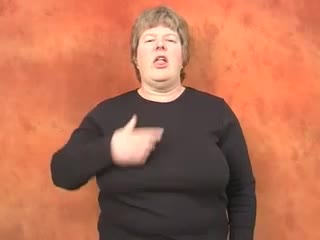
Feeling a need or desire to drink
Compare with thirst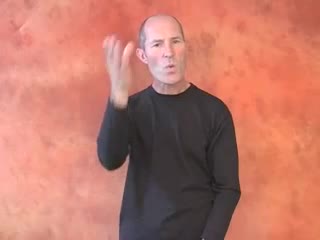
A period of instruction or learning
Compare with lesson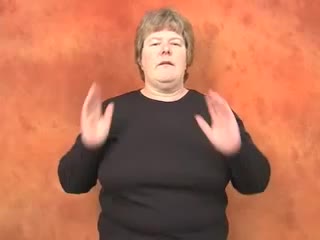
A team sport where players hit a ball over a net with their hands
Compare with volleyballCan be modified for 'next week' (forward movement) or 'last week' (backward movement)
Keep building your British Sign Language (BSL) vocabulary - explore signs by category or browse the full dictionary.