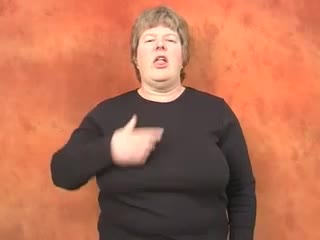
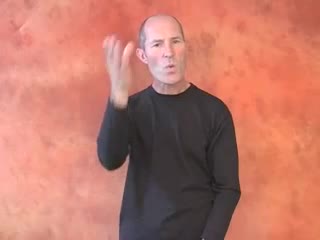
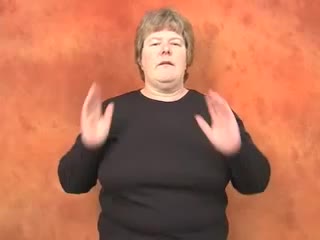
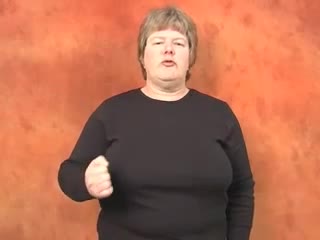
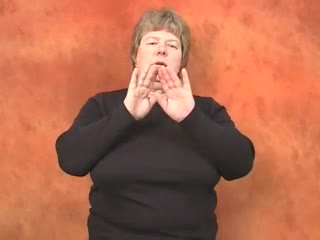
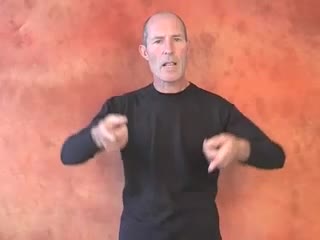
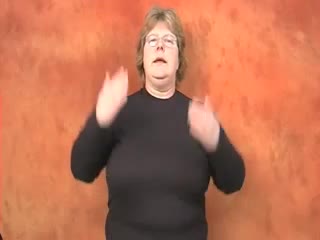
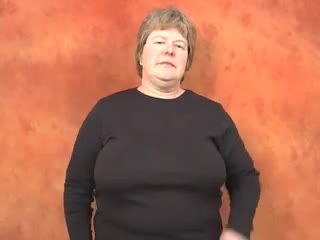
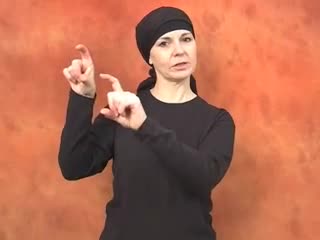
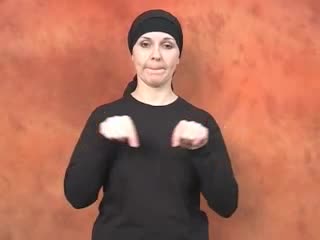
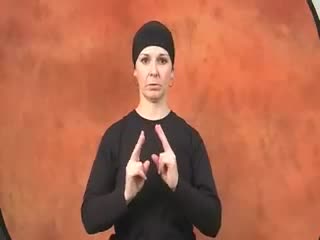
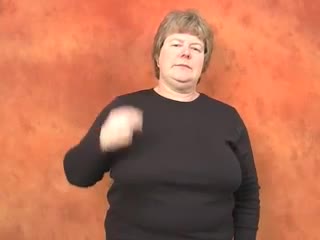
What This Sign Means in BSL
The BSL sign for yesterday is one of those foundational pieces of vocabulary you'll encounter and use constantly. It clearly and concisely communicates "the day before today," acting as an essential anchor when you're discussing events, plans, or narratives that have already happened. Its meaning is direct and unambiguous, making it incredibly versatile across all kinds of conversations, from casual chats to more formal discussions.
What makes this sign particularly effective is its intuitive connection to the past. The movement, sweeping backward, visually places the day behind you, literally moving it into history. This kinetic representation helps reinforce the meaning, making it easy to grasp and remember. You'll find it's often paired with other time signs or specific actions to build a rich picture of when something occurred, acting as a crucial temporal marker in any BSL dialogue.
This sign isn't just about marking a day; it’s about setting context. When you sign "yesterday," you're not just stating a fact; you're inviting your audience to recall or consider events that have just transpired. It’s a signal that the conversation is about to delve into recent history, preparing the listener for information about completed actions or past experiences. Mastering it early on will significantly boost your ability to communicate complex ideas about time.
When This Sign Feels Natural
You’ll naturally reach for the sign for "yesterday" in countless everyday scenarios, making it feel incredibly organic in conversation. Imagine you’re catching up with a friend and want to share what you did, or you’re relaying a piece of news that broke the day before. It’s perfect for opening a sentence like, "Yesterday, I visited my parents," or for answering a direct question about recent activities. Its straightforward nature means it fits seamlessly into almost any register, from informal banter to more structured storytelling.
This sign is a go-to for setting a temporal frame without needing extra explanation. If you’re recounting a series of events, beginning with "yesterday" establishes a clear starting point for your narrative. It’s also invaluable when you need to refer back to a previous discussion or agreement, allowing you to say, "Remember what we talked about yesterday?" with perfect clarity. There’s no need to search for an alternative; this is the standard, widely understood way to express this specific temporal concept in BSL.
While "yesterday" is specific to the day before today, its usage extends beyond simple statements of fact. It helps build rapport by referencing shared recent experiences and keeps conversations grounded in a common timeline. It’s a core component for scheduling, planning, and reminiscing, allowing you to smoothly transition between past, present, and future discussions. Its consistent form and clear meaning ensure that your message about recent events is always understood.
What Learners Usually Miss
A common point where learners sometimes stumble with the sign for "yesterday" isn't in the handshape itself, which is quite simple, but in the execution of the movement. It’s easy to make the arc too small, too fast, or too direct, almost like a quick flick. However, for clear and natural BSL, the movement should be a distinct, smooth, and somewhat expansive backward arc over your dominant shoulder. Think of it as deliberately 'sweeping' the day behind you, rather than just nudging it.
The arc needs to finish clearly behind your shoulder, indicating a definitive placement of the day in the past. If the movement is too shallow or stops short, it can lose some of its impact and clarity, potentially leaving your audience feeling like the sign is incomplete or rushed. Pay attention to the full trajectory: starting near your dominant cheek or ear, sweeping back and down over the shoulder, with the hand finishing its movement pointing slightly downwards or relaxed. This full, confident sweep makes all the difference in conveying the sign naturally.
Another subtle but important aspect is maintaining the flat handshape throughout the entire movement. Sometimes, learners might inadvertently let their fingers splay slightly or change the angle of their palm midway. Keep those fingers together and the thumb tucked or alongside, maintaining the 'clean slate' handshape from start to finish. This consistency in handshape, combined with the deliberate, smooth arc, ensures your sign is not only correct but also flows beautifully within your BSL conversation.
A Simple Way to Remember It
Imagine you're physically pushing the day that just passed behind you, clearing the mental slate for today. The flat hand acts like a gentle sweep, and the backward arc over your dominant shoulder literally positions that day in your personal past. It’s a very visual and kinetic representation of "what's gone before," making the abstract concept of time feel tangible and easy to recall.
- The flat hand, with fingers together, can be thought of as a clean slate or a smooth surface, ready to push the previous day away.
- The backward arc over your shoulder is a literal, universal gesture of putting something behind you, consigning it to the past.
- Starting near your dominant cheek/ear and moving back connects the sign to your own head and perception of time, close to where you experience memories.
Short Practice Situations
- Try signing: "Yesterday, I watched a really interesting documentary about wildlife, it was fascinating."
- Practice asking a friend: "What did you eat yesterday for dinner? I was thinking about trying a new recipe."
- Describe a completed task: "I finally finished that big report yesterday afternoon, so now it’s ready for review."
- Talk about your routine: "Yesterday was my busy day with all the errands; today is much calmer, thankfully."
- Relate to an event: "The team meeting we had yesterday went very well, we made good progress on the project."
Signs to Learn Next
- Today: Once you've got "yesterday" down, "today" is the perfect complementary sign to learn. Together, they form the basic building blocks for talking about immediate past and present, helping you anchor your conversations in real-time.
- Tomorrow: Completing the immediate temporal triad, "tomorrow" allows you to talk about future plans and events. Learning "yesterday," "today," and "tomorrow" gives you a robust framework for daily communication about time.
- Last Week: Expanding from a single day, "last week" introduces the concept of referring to a past period. It often involves combining the sign for "last" with the sign for "week," building on your understanding of how time units are modified.
- Future: While "yesterday" looks backward, learning the general sign for "future" helps balance your temporal vocabulary. It allows you to discuss long-term plans, aspirations, and events yet to come, providing a broader scope beyond daily occurrences.
- Past: This sign represents the general concept of 'the past' rather than a specific recent day. Learning it helps you differentiate between a concrete "yesterday" and the broader idea of history, previous times, or something that happened 'in the past' without specifying when.