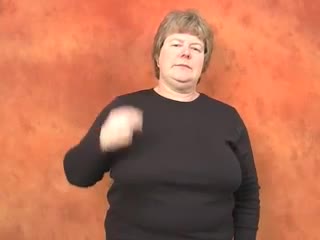
What This Sign Means in BSL
The BSL sign for name is one of the foundational signs you'll learn, and for good reason. It's the sign we use to identify ourselves and others, forming the very first step in connecting with people in the Deaf community. At its core, it represents the personal label we carry, the word or series of letters that points directly to who we are.
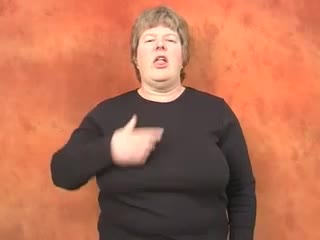
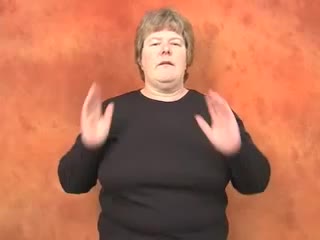
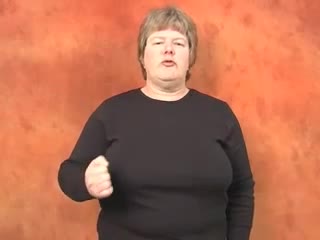
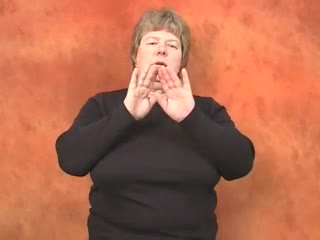
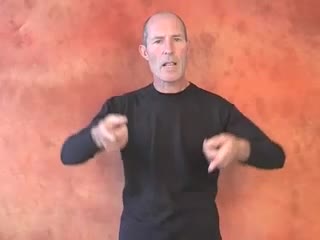
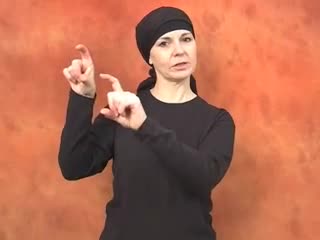
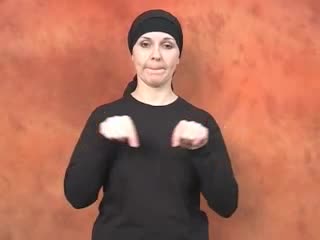
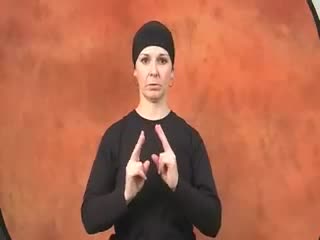
Visually, it's a wonderfully concise sign. You'll notice your dominant H-hand (index and middle fingers extended) gently tapping your non-dominant G-hand (index finger extended) at mid-chest level. This action isn't just a random tap; it symbolically places or points to that unique identifier. Think of it as singling out or marking an individual with their personal designation.
This sign carries a neutral and direct tone. It's not inherently formal or informal, but rather a simple, clear statement or question about identity. Mastering it means you’re ready to introduce yourself and engage in basic personal exchanges, opening up countless interactions.
When This Sign Feels Natural
You'll find the sign for "name" feels most natural in any situation where personal identification is key. Primarily, this means introductions: "Hello, my name is..." or "What's your name?" It's the essential building block for starting a conversation with someone new. Imagine meeting a new friend at a social event or introducing yourself to a BSL tutor – this sign is your go-to.
It also fits perfectly when you're referring to someone else's name, perhaps clarifying who a person is: "Their name is John." Or if you're trying to recall someone's name: "What was her name again?" The sign is versatile enough for these common social scenarios, adapting its meaning slightly with accompanying signs and facial expressions.
While invaluable for personal names, remember its specific focus. If you're talking about a nickname, a brand name, or the name of a place, you'd typically fingerspell those out, or use a specific sign name if one exists for a person. The sign for "name" really shines when referring to someone's given or family name as their primary identifier.
What Learners Usually Miss
One common oversight for new learners is the precise handshape and movement. It's crucial that your dominant hand forms a clear H-hand (index and middle fingers extended, thumb tucked) and your non-dominant hand forms a G-hand (index finger extended, other fingers curled). Some learners might accidentally use a full open hand or just an index finger on the dominant hand, which changes the sign entirely or makes it unclear. The exactness of the H-hand tapping the G-hand is paramount.
Another subtle point is the quality of the tap itself. It's a single, crisp, deliberate tap, not a rub, a caress, or multiple taps. The dominant H-hand should meet the non-dominant G-hand clearly and then rebound slightly. A hesitant or overly soft tap can make the sign feel uncertain, while a rough or multiple tap might confuse the meaning. Aim for a confident, single connection.
Finally, pay attention to the location and accompanying facial expression. The sign happens at mid-chest level, comfortably in front of you. Don't let it drift too high towards your chin or too low towards your waist. When asking "What's your name?", remember to pair the sign with the universal BSL non-manual features for a question: raised eyebrows and often a slight head tilt. Without these, it can look like you're simply stating "Your name" rather than asking. The rhythm of the sign should also be integrated smoothly into your overall sentence structure, not rushed or isolated.
A Simple Way to Remember It
Think of the sign for "name" as the action of pointing to or assigning a label to a person. Your dominant hand, with its two extended fingers (the H-hand), is like the "tag" or "label" that you're gently placing onto or identifying the "person" represented by your non-dominant index finger (the G-hand). The tap solidifies this connection, making it clear you're identifying them by their unique designation.
- The "Label" Hand: Visualise your dominant H-hand as the physical tag or label being associated with an individual.
- The "Person" Finger: Imagine your non-dominant G-hand's index finger as pointing to or representing the person themselves.
- The Identifying Tap: The gentle tap connects the label to the person, solidifying their unique identity.
Short Practice Situations
- Practice introducing yourself: Sign "Hello, MY NAME [fingerspell your name]" with a friendly smile.
- Ask someone their name: Sign "YOUR NAME WHAT?" with raised eyebrows and a slight head tilt.
- Introduce two people: Point to one person, sign "THEIR NAME [fingerspell name]", then do the same for the other.
- Confirm someone's name: Sign "YOUR NAME IS [fingerspell name], YES?" with a questioning facial expression.
- Discussing identity: Sign "MY NAME IMPORTANT TO ME" to express personal value.
Signs to Learn Next
- MY: This sign often pairs naturally with "name" when you're introducing yourself ("MY NAME..."). Learning it next will help you build full introductory phrases.
- YOUR: Essential for asking someone else's name ("YOUR NAME...?"). It completes the basic exchange for introductions.
- WHAT: Crucial for forming questions like "What's your name?" It’s one of the core question signs in BSL.
- MEET: After exchanging names, you'll naturally want to sign "NICE TO MEET YOU," making "MEET" a perfect follow-up.
- FINGERSPELL: While "name" is the concept, fingerspelling is how you actually communicate specific names. Mastering the BSL alphabet is vital to put names into practice.