Speed
0
Practice reps times watched

Create a free account to keep your watch history and review plan.

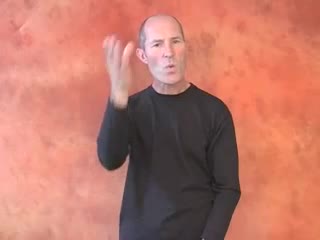
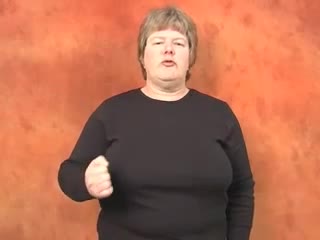
Best practice Use mirror mode, then watch the frame breakdown below to catch the start, movement, and finish cleanly.
Video via SpreadTheSign  - Free educational resource BSL
Updated April 21, 2026
British Sign Language (BSL) 🟢 Beginner 📊 C1 ⚡ Technical Noun

bearing plate

A flat, often steel, plate that distributes a load from a structural member onto a larger area

Source-linked video Step-by-step guide Context and safety notes
Synonyms
sole plate base plate
Antonyms
N/A
Difficulty
Not rated yet

Create a free account to save this sign, keep your watch history, and unlock a one-note journal preview.

How to sign it
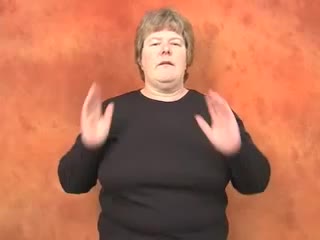
Handshape
Flat hands, fingers together, thumb alongside
Location
Neutral space in front of torso
Movement
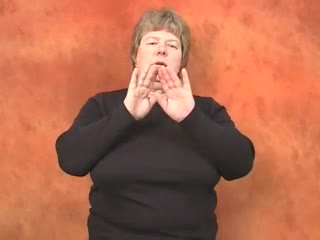
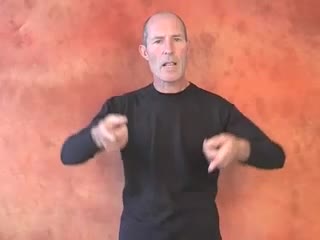
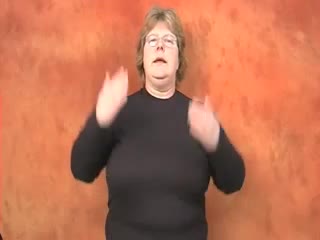
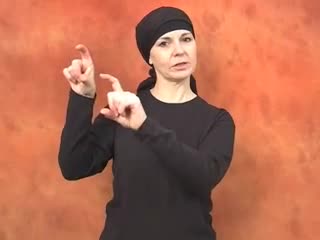
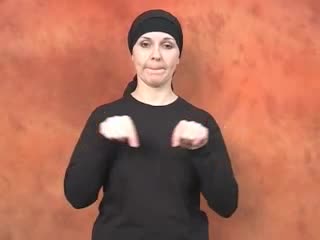
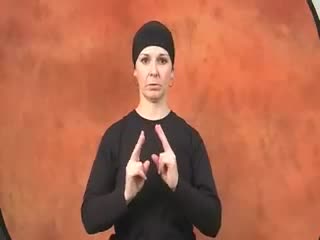
Hands move horizontally apart to define a rectangle, then lower slightly
Palm Orientation
Palms facing each other, then slightly down/forward
Facial Expression
Neutral facial expression
🔁 Spaced Review Try it free

How well do you know this sign?

BEARING PLATE
Your Progress Live
🌱
Level 1 · BSL Beginner +0 XP today
This sign Not learned yet
0 watches
Mastery 0%
Confidence
How well do you know this sign?
0 🔥 Streak
0 Signs seen
0 Learned
0 Watches
📖 Vocabulary health 🔒 Log in to see score
0 Mastered
0 Confident
0 Practicing
0 Just seen

Create a free account to keep your vocabulary score between sessions

7-day activity 0 of 7 active

Register free to sync activity across devices

Watch signs to see your history here

Tracking locally for now. Create a free account to save your progress and sync across devices.
Free gets you started. Paid adds the repeat-learning layer: review queues, deeper notes, compare mode, and better comeback tools.
My Sign Journal
Personal notes, saved to your account forever
Locked

Write memory tricks, usage examples, and cultural reminders beside each sign. Create a free account to unlock your first saved note preview on this page.

Create free account Already have an account? Log in

What This Sign Means in BSL

The BSL sign for bearing plate is a beautifully direct representation of its function and form. Imagine a crucial, flat piece of material designed to support immense weight and distribute it evenly. That's precisely what your hands will convey. You're not just signing 'a flat thing'; you're illustrating an engineering component vital for stability and load transfer in construction.

This sign uses both hands, starting with flat palms, fingers together, often with thumbs tucked or alongside, mimicking the solid, even surface of the plate itself. The initial movement defines the rectangular shape of the plate in front of your torso, suggesting its presence and dimensions. It’s a purposeful, deliberate motion that immediately communicates solidity and a defined structure.

The subtle lowering of the hands after outlining the rectangle is key. It signifies the plate's role in *bearing* something – often placed underneath a column or beam to sit on a foundation. This isn't just a descriptive sign; it inherently carries the meaning of its purpose within its movement, making it a very logical and visually intuitive sign to learn.

When This Sign Feels Natural

You'll find yourself reaching for the BSL sign for bearing plate most naturally in conversations related to construction, architecture, engineering, or detailed discussions about structural components. It fits perfectly when discussing foundations, support beams, columns, bridges, or any scenario where weight distribution is critical. Think about explaining how a building stands firm or how a heavy structure is supported – this sign will be indispensable.

The register for this sign tends to be more technical or instructional. You might use it when explaining a blueprint, describing a construction process, or teaching about building materials to a group of learners. It’s less likely to pop up in casual daily chats unless you're deep into a DIY project and explaining a specific structural challenge. When speaking with professionals in the field, it’s a precise and respected term, and the sign carries that same weight.

Consider your audience: if you're talking to someone with a background in building or design, this sign will be immediately understood and appreciated for its accuracy. If you're discussing a generic "plate" (like a dinner plate), you'd use a different, simpler sign. The specificity of the bearing plate sign ensures clarity and avoids ambiguity in a technical context, showing your fluency in both BSL and the subject matter.

What Learners Usually Miss

One common pitfall for learners is rushing the movement or failing to fully define the rectangular shape. It's not enough to just wave your hands vaguely; the initial horizontal movement of the hands moving apart needs to be clear and precise, delineating the four sides of the imagined plate. Think of it as drawing an invisible rectangle in the air, ensuring its width and breadth are evident before proceeding to the next part of the sign. This clarity sets the stage for its function.

Another subtle but important aspect often overlooked is the slight lowering motion at the end. Some learners might simply outline the rectangle and stop. However, the subsequent gentle descent of the hands after defining the plate is crucial. It's what differentiates it from just 'a flat rectangle' and explicitly implies its 'bearing' or 'supporting' role – as if you're showing it being placed down to receive a load. This movement adds depth to the sign, communicating purpose rather than just form.

Finally, pay attention to the handshape consistency. Both hands should maintain a flat, firm posture throughout the sign, with fingers together and thumbs tucked or alongside. Any looseness or splaying of the fingers can diminish the impression of a solid, weight-bearing object. The entire sign should feel deliberate and stable, mirroring the sturdy nature of a bearing plate itself. Practice this controlled, smooth movement to perfect the sign’s rhythm and impact.

A Simple Way to Remember It

To really embed the BSL sign for bearing plate in your memory, think of your hands as the tools of a skilled engineer, sketching out the exact component. The sign perfectly maps the visual and functional aspects of a bearing plate onto your body, creating a strong mental link.

  • Outline the blueprint: Your hands moving horizontally apart clearly define the rectangular shape, just like an architect drawing the precise dimensions of the plate on a plan.
  • Feel the flatness: The flat handshape with fingers together directly represents the smooth, even surface of the plate, essential for distributing weight without creating pressure points.
  • Signify support: The final, slight lowering movement of the hands powerfully communicates its purpose – it's being placed down, ready to bear the weight, acting as a stable foundation for what comes next.

Short Practice Situations

  • The architect explained that the large concrete pillar would require a substantial bearing plate underneath for proper support.
  • We need to double-check the specifications for the bearing plate before ordering them for the new extension.
  • During the building inspection, the engineer noted that some of the existing bearing plates were starting to corrode.
  • To ensure stability, always make sure the bearing plate is perfectly level before installing the steel beam on top.
  • Can you show me the sign for bearing plate again? I want to practice the smooth, deliberate movement.

Signs to Learn Next

  • PLATE (general): Learning the general sign for 'plate' will help you clearly differentiate it from the specific 'bearing plate' in BSL, highlighting the nuanced meaning.
  • BEAM: Bearing plates often sit beneath beams or columns, so understanding how to sign 'beam' will naturally extend your vocabulary for structural discussions.
  • FOUNDATION: Bearing plates are integral to foundations, so learning this sign will allow you to discuss the complete structural base of a building or object.
  • BUILDING / CONSTRUCTION: These broader category signs will provide context for when you'd most frequently use the sign for 'bearing plate' in BSL.
  • ENGINEER / ENGINEERING: As 'bearing plates' are technical components, learning signs related to the profession and field will enhance your ability to discuss their application and design.

🤖 AI Learning Guide for "bearing plate"

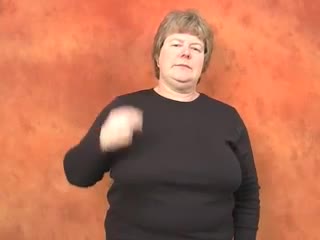
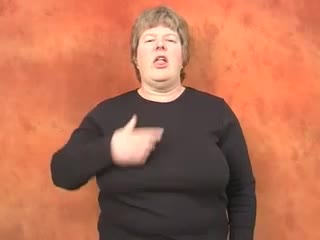
The sign uses two flat hands to outline the rectangular shape and thickness of a bearing plate, indicating a structural support component

🎯 Practice Challenge

Practice signing 'bearing plate' in a sentence about construction

⚠️ Most Common Mistake

Ensure hands are flat and fingers together, clearly outlining a rectangle before lowering

👐 How to Sign "bearing plate" in British Sign Language (BSL) (Quick Answer)

Follow these steps to sign bearing plate correctly in British Sign Language (BSL):

  1. 1 Form two B-hands, palms facing each other, fingertips touching
  2. 2 Place hands in neutral space, chest height
  3. 3 Move hands horizontally apart to outline the width of a plate
  4. 4 Lower hands slightly to indicate its thickness

Tip: Watch the video above while following these steps for best results.

🤚 Sign Profile

🤚
Handshape
Flat hands, fingers together, thumb alongside
🔣
Handshape Code
B
Dominant Hand
Either
🙌
Hand Count
Two-handed
📍
Location
Neutral space in front of torso
↗️
Movement
Hands move horizontally apart to define a rectangle, then lower slightly
🔄
Movement Type
Linear
👆
Contact
Air
👋
Palm Orientation
Palms facing each other, then slightly down/forward
⚖️
Symmetry
Symmetric

😊 Non-Manual Features

Facial expressions and body language are grammatically essential in British Sign Language (BSL) - not optional!

😊
Facial Expression
Neutral facial expression
🙆
Eyebrows
Neutral
👁️
Eye Gaze
Forward
🙂
Head Movement
None
👄
Mouth Morpheme
None
🕴️
Body Shift
None

📖 Grammar & Linguistics

Part of Speech Noun
Inflection No
Classifier Usage N/A
Role Shift No

🎓 Learning Context

📌 When to Use: Used in engineering, construction, or architectural contexts
⚠️ Common Mistake: Not defining a clear rectangular shape; incorrect handshape
🚫 When NOT to Use: General conversation not involving construction or engineering
Context Tags
construction engineering architecture structural support

🧪 Practice Lab

Use these tiny checks right after watching the video. Fast feedback is what turns recognition into recall.

Meaning check

Which word matches the sign you just watched?

Usage check

Where would this sign fit most naturally?

Confidence check

How do you feel about bearing plate right now?

Pick one so SignDeaf can shape the rest of your session around how this sign actually feels.

🧭 Scenario Drill

One sign gets remembered faster when you attach it to real situations. Try these quick scene prompts.

Work

Stretch practice

Use this sign in a short workplace sentence or meeting exchange.

Family

Stretch practice

Try signing this while talking about family life or something at home.

School

Stretch practice

Imagine teaching this sign to a classmate or using it in a lesson.

Doctor

Stretch practice

Practise it in a healthcare conversation where clarity matters.

Travel

Stretch practice

Use it in a travel scenario like asking for help or directions.

💬 Example Usage

1.[en] The architect drew the bearing plate. / BSL:[ARCHITECT, then BEARING PLATE, then DRAW] | 2.[en] We need a new bearing plate. / BSL:[WE, NEED, NEW, then BEARING PLATE] | 3.[en] What is a bearing plate? / BSL:[WHAT, then BEARING PLATE, then WHAT?]

1.[en] The architect drew the bearing plate. / BSL:[ARCHITECT, then BEARING PLATE, then DRAW] | 2.[en] We need a new bearing plate. / BSL:[WE, NEED, NEW, then BEARING PLATE] | 3.[en] What is a bearing plate? / BSL:[WHAT, then BEARING PLATE, then WHAT?]

When to use it

Used in engineering, construction, or architectural contexts

When not to use it

General conversation not involving construction or engineering

Register

Technical

🌍 Cultural Context

N/A

🗺️ Regional Variations

Unlikely for technical terms, generally standardised

⚖️ Similar Signs - What's the Difference?

This sign bearing plate
VS
Similar signs Look closely
**PLATE (general):** Often signed with a circular motion to indicate a dinner plate, or a single hand outlining a circle. "Bearing plate" specifically uses two hands outlining a rectangle and indicating structural thickness. **SHEET/PANEL:** These signs might also use flat hands, but typically focus on the thinness and breadth of the material, often without the specific "lowering" movement for structural thickness implied by "bearing plate."

📝 Usage Notes

Refers to the specific structural component, not a general plate

💡
Did you know?
In BSL, non-manual features (facial expressions, mouthing) are as important as the hand movements.

📚 Explore More British Sign Language (BSL) Signs

Keep building your British Sign Language (BSL) vocabulary - explore signs by category or browse the full dictionary.