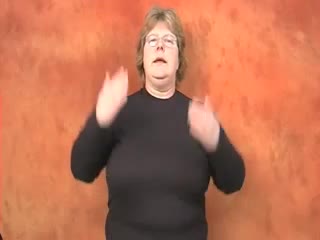
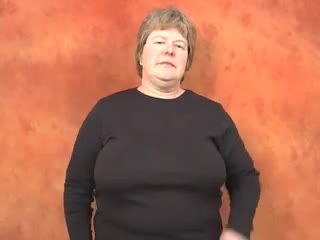
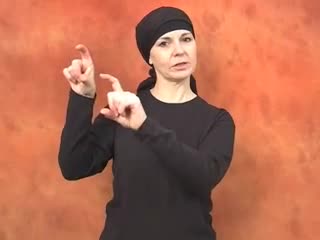
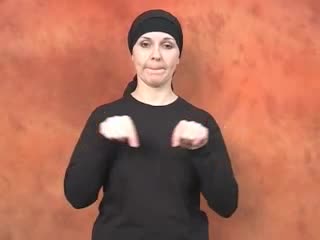
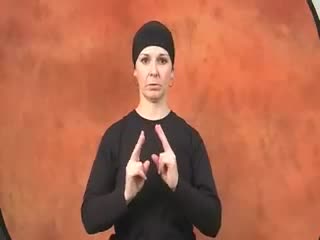
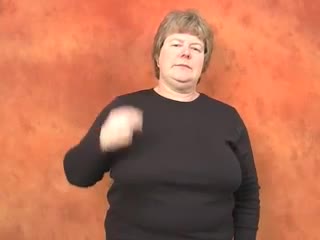
What Is the BSL Sign for "drill guide"?
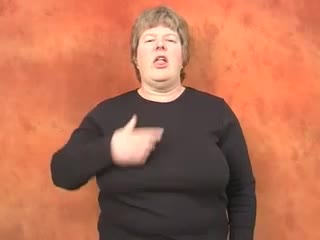
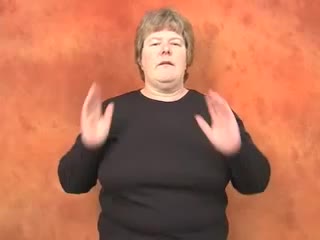
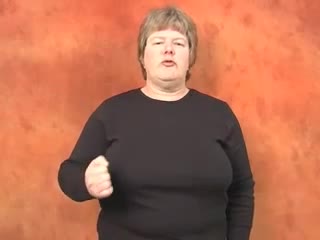
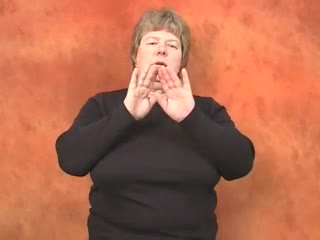
Ever wondered how to convey a specific, practical concept like "drill guide" when you're communicating in British Sign Language? Well, you're in the right place! The BSL sign for drill guide isn't just a simple gesture; it's a wonderfully iconic representation, capturing both the tool and its precise purpose within a single, elegant movement. This particular sign perfectly illustrates how British Sign Language often marries form and function, offering a clear visual for what you're trying to express. It's a foundational piece of vocabulary if you're talking about DIY, construction, or even teaching practical skills.
How to Sign "drill guide" in British Sign Language - Step-by-Step
Let's break down this useful sign for drill guide, ensuring you'll be able to articulate it with confidence and accuracy.
Step 1: Handshape
For this sign, your dominant hand forms an 'L' handshape. To achieve this, extend your index finger and your thumb, keeping them largely perpendicular to each other, like you're shaping a small right angle. Curl your remaining three fingers (middle, ring, and pinky) tightly into your palm. Meanwhile, your non-dominant hand creates a 'B' handshape; this means all fingers are held together, extended straight out, with your thumb tucked neatly alongside your palm, forming a flat surface.
Step 2: Hand Placement and Location
You'll begin by positioning your non-dominant hand, which holds the 'B' handshape, flat and open, with its palm facing upwards. Hold it comfortably in front of your body, roughly at chest or stomach height, creating a stable, level surface. Your dominant hand, in its 'L' handshape, then approaches this non-dominant palm. Place the tip of your dominant index finger onto the centre of your non-dominant palm, with your dominant thumb pointing slightly away from your body, maintaining the 'L' shape.
Step 3: Movement
With your dominant 'L' hand maintaining continuous, gentle contact, execute a controlled, small downward press into the non-dominant palm. As you press, simultaneously perform a slight, brief clockwise rotation with the tip of your dominant index finger against the palm. This simulates the initial engagement of a drill bit, guided by the 'L' shape you've formed. The motion should be concise and deliberate, often executed once or twice to convey the precise, guided action.
Step 4: Facial Expression and Mouthing
Non-manual features are incredibly important in British Sign Language, adding layers of meaning and grammatical context. When signing "drill guide," a focused facial expression is key; you might slightly furrow your brow or tighten your lips just a touch, reflecting the concentration and precision inherent in using such a tool. Simultaneously, gently mouth the words "drill guide" without vocalising. This mouthing helps clarify the lexical item for your conversation partner and is a vital part of BSL communication.
Step 5: Palm Orientation
Throughout the sign, your dominant hand's palm will face generally inward and downward, directed towards the surface of your non-dominant palm. This orientation ensures that the 'L' shape, which acts as the guide, is clearly visible and positioned correctly for the 'drilling' action. The non-dominant hand's palm maintains an upward orientation, providing the stable "surface" against which the dominant hand performs its movement. The specific direction of the palms helps to visually convey the function of the object.
"drill guide" in BSL - Quick Reference Snapshot
Here's a concise overview of the British Sign Language sign for "drill guide" for quick recall:
- Handshape: Dominant hand 'L' shape; Non-dominant hand 'B' shape (flat palm).
- Location: Dominant index finger tip on non-dominant palm, at chest height.
- Movement: Small downward press with slight clockwise rotation of dominant index finger.
- Facial Expression: Focused, concentrated look.
- Dominant Hand: Performs the 'L' shape and movement.
- Palm Orientation: Dominant palm generally inward/downward; Non-dominant palm upward.
5 Memorisation Tricks for the BSL Sign "drill guide"
Learning new signs is a joyous journey, and I've got some specific tricks up my sleeve to help "drill guide" stick for you!
- Visual Mnemonic: Picture your dominant 'L' hand as the actual drill guide itself, perhaps a small, angled template. Then, imagine your index finger as the drill bit, carefully lowering and starting to turn against the steady surface of your non-dominant hand. This imagery connects the sign's form directly to its function.
- Muscle-Memory Drill: Try this: hold your non-dominant hand steady and relaxed. Now, with your dominant 'L' hand, repeat the precise downward press and slight rotation motion against your palm about ten times. Focus on the feeling of the index finger making contact and turning; this repetitive, focused practice really solidifies the physical execution.
- Meaning Connection: Think about what a drill guide *does*. It provides accuracy and stability. The non-dominant hand's steadiness represents this stability, while your dominant 'L' hand's controlled movement demonstrates the precision. Linking the sign's components to its core meaning strengthens your understanding and recall.
- Common-Confusion Tip: A lot of people initially confuse the 'L' handshape with a simpler 'G' (index finger extended). Remember for "drill guide," your thumb *must* also be extended, forming that clear right angle. That extended thumb is crucial; it helps define the "guide" aspect, preventing it from looking like just a "drill" or "pointing" action.
- Daily-Life Practice: The next time you see someone drilling something, or even just a picture of a drill, mentally (or physically, if you're in private!) sign "drill guide." Integrate it into your thoughts whenever the concept arises. This regular, contextual recall in your everyday environment will make it second nature.
Real-Life Situations to Use the BSL Sign for "drill guide"
Knowing a sign is one thing; knowing *when* and *how* to use it in conversation is where the magic happens. Here are some practical scenarios for "drill guide":
- Imagine you're at a DIY store with a Deaf friend. You might sign, "WE NEED DRILL GUIDE FOR SHELF" (emphasising "drill guide" with the sign) to explain a specific item you're looking for. The grammatical structure here often places the most important information, like the item, towards the end of the sentence for emphasis.
- Perhaps you're explaining a project to someone, and they ask for clarity. You could sign, "MUST USE DRILL GUIDE, OTHERWISE HOLE CROOKED" to stress the importance of precision. In this negative construct, the non-manual features (like a slight head shake for "otherwise" or "crooked") become vital for conveying the full meaning.
- During a practical lesson, a BSL teacher might demonstrate, signing "WATCH CAREFULLY, THIS DRILL GUIDE HOW-TO USE" to instruct students on proper technique. This example shows the sign in an instructional context, often accompanied by clear, precise movements and direct eye contact.
- You might be discussing tool repairs with a work colleague and sign, "MY DRILL GUIDE BROKEN, NEED REPLACE." Here, the sign acts as a direct object, slotting into a simple topic-comment sentence structure.
Top 3 Mistakes Learners Make Signing "drill guide" in BSL
It's completely normal to make a few errors when you're first learning, but spotting and correcting them early on makes all the difference!
- Incorrect Handshape for the Guide: Many learners initially use a simple 'G' handshape (just the index finger extended) instead of the 'L' handshape for the dominant hand. This changes the meaning significantly, making it look more like "point" or just "drill." The correction is to ensure your thumb is also extended, forming that distinct perpendicular 'L' shape, clearly indicating the *guide* aspect.
- Lack of Controlled Movement: Sometimes, beginners will just jab their index finger or make an overly large, sweeping rotation. This loses the precision inherent in the concept of a "drill guide." Instead, focus on a very small, controlled downward press and a subtle clockwise twist against the non-dominant palm. Think "delicate start" rather than "forceful drive."
- Missing Facial Expression/Mouthing: Forgetting to mouth "drill guide" or maintain a focused facial expression is a common oversight. While the manual sign is clear, the non-manual features provide crucial linguistic information. The solution is to consciously integrate mouthing and a concentrated look into your practice from the very beginning; it truly completes the sign.
Fascinating Facts About the BSL Sign for "drill guide"
Every sign has its own story, and "drill guide" offers some intriguing insights into BSL's linguistic structure and cultural nuances.
- The iconic nature of this sign is remarkable; it literally depicts the action of a drill bit being guided, making it highly visually transparent even to those unfamiliar with BSL once explained. This direct visual link aids in rapid comprehension.
- While a specific historical origin for "drill guide" isn't widely documented as a centuries-old sign, its form likely evolved from the need to clearly differentiate a guided drilling action from a freehand one, reflecting the practical context of such tools.
- Regional variations for highly specific technical terms like this can sometimes exist within the BSL-using community, although the 'L'-handshape-as-guide is a very strong and widely understood construction. Some regions might use a slightly different handshape for the "drill" aspect, but the "guide" component often remains similar.
- The sign demonstrates BSL's incredible capacity for compounding meaning into a single, efficient sign. Instead of signing "drill" then "guide" separately, this sign combines the essence of both, streamlining communication.
- This sign effectively uses the non-dominant hand as a "ground" or "surface" classifier, a common linguistic feature in BSL. The non-dominant 'B' hand isn't just passive; it actively functions as the material being drilled or the platform for the guide.
"drill guide" in Deaf Culture - Community and Identity
The concept of a "drill guide," while a technical term, certainly holds its place within the broader tapestry of Deaf culture, especially concerning practicality and accessibility. Many Deaf individuals are highly skilled tradespeople, engineers, and DIY enthusiasts, and precise communication about tools and processes is essential in these fields. Workshops, vocational training, and even casual discussions about home improvements are common settings where such a sign becomes a valuable bridge. For Deaf people, clear, unambiguous signs like this one facilitate independent learning and participation in activities that might otherwise be challenging due to communication barriers. It’s about more than just a tool; it's about enabling engagement, sharing knowledge, and fostering a sense of capability within the community. When you learn signs like "drill guide," you're not just acquiring vocabulary; you're gaining access to a shared space of practical understanding and connection.
Example Conversations Using "drill guide" in BSL
Let's see "drill guide" in action with some example sentences, exploring how it fits into BSL grammar.
English: Do you have a drill guide for this project? - BSL structure: YOU HAVE DRILL GUIDE FOR THIS PROJECT? (Topic-comment structure, question conveyed by raised eyebrows and body lean)
English: The instructions say to use a drill guide. - BSL structure: INSTRUCTION SAY USE DRILL GUIDE. (Direct statement, clear subject-verb-object order)
English: Without the drill guide, the holes will be uneven. - BSL structure: NO DRILL GUIDE, HOLE UNEVEN. (Conditional negative, often using non-manual features for the "without" or "if not" aspect)
English: I need to borrow your drill guide tomorrow. - BSL structure: TOMORROW I NEED BORROW YOUR DRILL GUIDE. (Time adverb often comes first, followed by subject-verb-object)
English: That's a very precise drill guide. - BSL structure: THAT DRILL GUIDE VERY PRECISE. (Adjective following the noun, with intensity expressed by facial features for "very")
Frequently Asked Questions: The BSL Sign for "drill guide"
Is there a common regional variation for the British Sign Language drill guide sign?
While the core concept of a drill guide is fairly consistent, very slight regional nuances might appear in BSL, often in the precise handshape for the "drill" part or the exact angle of the "guide." However, the described 'L' handshape guiding an index finger is widely understood across the UK, making it a very safe and standard sign to use.
Are there any similar signs that I should be careful not to confuse with BSL drill guide?
Yes, learners sometimes confuse the 'L' handshape with a 'G' handshape, which is used for signs like "green" or can indicate a simple "point." The key difference for drill guide is the extended thumb forming the right angle, crucial for denoting the guiding mechanism, so always be mindful of that distinct 'L' shape.
Is the BSL sign for drill guide suitable for beginners to learn?
Absolutely! This sign is an excellent one for beginners. It clearly demonstrates iconicity in BSL, where the sign visually represents its meaning, making it easier to remember and understand the logic behind its formation and movement.
Can children easily learn and use the drill guide British Sign Language sign?
Children can definitely learn this sign, especially if they're exposed to practical activities or have an interest in tools. The visual and kinetic nature of the sign, depicting a clear action, makes it quite accessible for younger learners to grasp and incorporate into their vocabulary.
How does the BSL sign for drill guide compare to the sign for a similar concept in other sign languages?
Comparing signs across different sign languages reveals fascinating linguistic differences. While the BSL sign for drill guide is highly iconic to the action of guiding a drill, other sign languages might use a compound sign (e.g., signing "drill" then "guide" separately), or have a completely different iconic representation based on their own linguistic and cultural conventions.
Signs That Pair Naturally with "drill guide" in BSL
Building your vocabulary effectively means learning signs in clusters, seeing how they connect to each other. Here are some signs that complement "drill guide" beautifully:
- DRILL (tool): This sign, often a dominant 'S' hand twisting into a non-dominant flat palm, is a natural companion, as a drill guide is useless without the drill itself. They belong together in the "tools" category.
- SCREW: Typically made with a dominant 'S' hand twisting into the non-dominant palm, similar to 'drill' but often smaller and with a different non-manual feature, connects to the idea of fasteners used with drilled holes.
- MEASURE: Often represented by two 'F' handshapes moving along a surface, it's crucial for precision, just like a drill guide. Both relate to accuracy in construction or crafting.
- HOLE: Made by an index finger pushing through an 'O' shape, this sign is the direct result of using a drill, often guided by a drill guide. It's the outcome you're aiming for.
- WOOD: Frequently signed by rubbing the dominant index finger across the non-dominant forearm, this represents a common material that requires drilling and guiding.
- PRECISE / ACCURATE: Signed with a dominant 'F' hand making a small, sharp movement near the non-dominant index finger, this concept is directly linked to the purpose of a drill guide.
Building Fluency: How to Practise "drill guide" in BSL
To truly master the sign for "drill guide" and make it a natural part of your BSL vocabulary, consistent and thoughtful practice is key. Start by using a mirror: carefully watch your dominant 'L' handshape and the precise, controlled movement against your non-dominant palm, ensuring every element is correct. Try integrating it into simple BSL sentences about home improvements or tools, even if you're just signing to yourself, to build contextual understanding. Filming yourself practicing can be incredibly insightful; you'll often spot nuances in your handshape or movement that you missed in the mirror. Most importantly, seek out opportunities to practice with Deaf individuals or experienced BSL users. They'll offer invaluable feedback and help you refine your technique and confidence. Don't be afraid to make mistakes; that's how we learn and grow. Keep practicing over several days, not just in one burst, and soon, "drill guide" will flow effortlessly from your hands!