What Is the BSL Sign for "rendering"?
Welcome, future BSL fluent communicators! You're about to uncover the fascinating British Sign Language sign for "rendering", a term that holds different shades of meaning in English but translates beautifully into a distinct visual concept in BSL. When we talk about the BSL sign for rendering, we're often referring to the process of creating a visual representation, whether that's an artist's depiction, an architectural drawing, or even the application of a surface layer like plaster. This particular sign beautifully captures the essence of bringing something into a clear, visible form, making it a truly evocative piece of British Sign Language rendering. Get ready to add another expressive sign to your growing vocabulary!
How to Sign "rendering" in British Sign Language - Step-by-Step
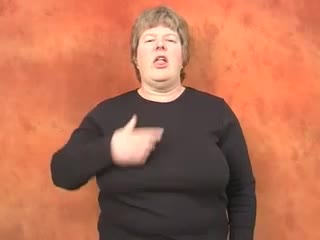
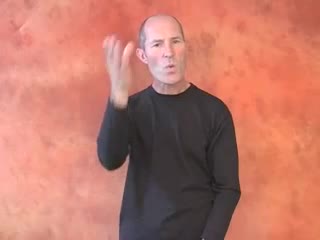
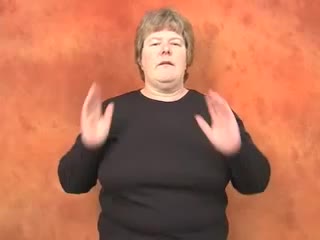
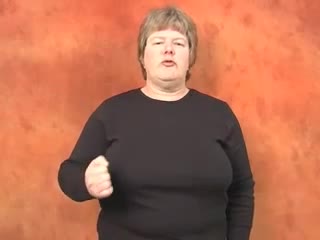
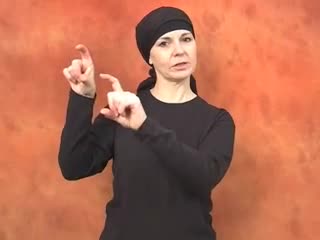
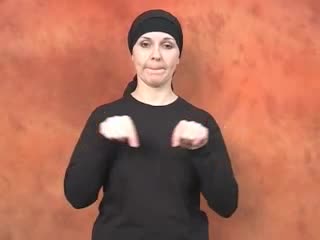
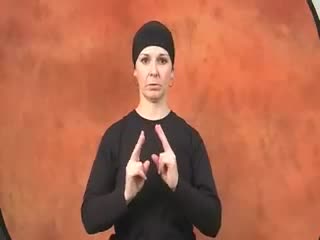
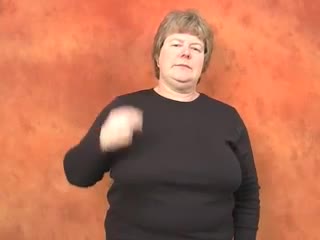
Mastering this sign involves a precise coordination of handshape, placement, movement, and facial expression, all coming together to clearly express the notion of "rendering".
Step 1: Handshape
For the dominant hand, you'll form a clear "flat B" handshape. This means extending all four fingers of your hand, holding them tightly together, and keeping them straight. Your thumb should be tucked neatly alongside your palm or resting just beneath your index finger, ensuring your hand presents a smooth, flat surface. This particular handshape is often used in British Sign Language to represent flat surfaces or actions involving an even application.
Step 2: Hand Placement and Location
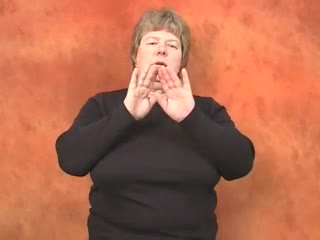
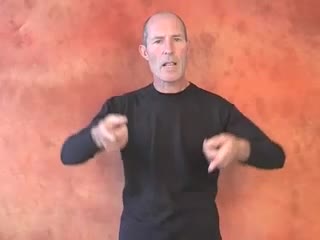
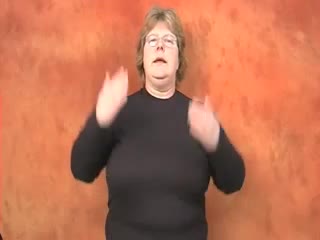
Next, your non-dominant hand becomes your canvas or surface. Form your non-dominant hand into an open "flat B" handshape as well, with the palm facing upwards, resting comfortably in front of your body, perhaps around waist height. Position your dominant "flat B" hand just above the palm of your non-dominant hand, keeping a small gap between them, almost as if your dominant hand is a tool hovering over a surface.
Step 3: Movement
Now, let's bring it to life! With your dominant "flat B" hand, make a smooth, sweeping motion across the palm of your non-dominant hand. The movement should be horizontal, starting from the heel of your non-dominant palm and sweeping outwards towards the fingertips. Execute this sweeping motion twice, rhythmically, simulating the action of applying a layer or creating a detailed stroke. The movement is deliberate yet fluid, conveying the process of construction or creation.
Step 4: Facial Expression and Mouthing
Non-manual features are profoundly integrated into the grammar of British Sign Language, and for "rendering," your facial expression can subtly convey the context. A neutral, focused, or slightly thoughtful expression often accompanies this sign, especially if you're talking about a precise or artistic rendering. Simultaneously, softly mouth the English word "rendering" without voicing it aloud. This mouthing, known as a 'mouth pattern' in BSL, provides additional clarity and differentiation, helping to specify the exact English concept you're communicating.
Step 5: Palm Orientation
Throughout the movement, the palm of your dominant "flat B" hand should consistently face downwards, directly towards the upward-facing palm of your non-dominant hand. This consistent palm orientation is absolutely vital for the sign's meaning, as it visually reinforces the action of applying something *onto* a surface or *creating* something upon it. A shift in this orientation could completely alter the sign's meaning or make it unintelligible, so maintaining this downward-facing palm is a critical component of the sign.
"rendering" in BSL - Quick Reference Snapshot
- Handshape: Dominant hand forms a flat B (fingers extended, together, thumb tucked).
- Location: Dominant hand positions above the upward-facing palm of the non-dominant flat B hand.
- Movement: Dominant hand sweeps horizontally across non-dominant palm twice.
- Facial Expression: Neutral, focused, or thoughtful; mouth "rendering."
- Dominant Hand: Used for the sweeping action.
- Palm Orientation: Dominant palm faces downwards throughout the movement.
5 Memorisation Tricks for the BSL Sign "rendering"
Learning a new sign can feel like a challenge, but with a few clever tricks, the British Sign Language rendering sign will stick with you in no time. These tips are designed specifically for how to sign rendering in BSL, making it easier to recall.
- Visual Mnemonic: The Plasterer's Trowel. Picture your dominant flat B hand as a plasterer's trowel, and your non-dominant hand as a wall you're applying plaster to. That sweeping motion across the palm perfectly mimics the action of smoothing out a rendering mixture, creating a strong visual link for the BSL rendering sign.
- Muscle Memory Drill: Repetitive Sweeps. Dedicate a minute each day to just performing the movement of the sign – the double horizontal sweep across your non-dominant palm. Focus intensely on the feeling of the movement, embedding it into your muscle memory, so your hands automatically know how to sign rendering in BSL even without conscious thought.
- Connection to Meaning: Building a Picture. Think about the core meaning of "rendering" as creating or building up a visual image or a surface. The sign itself literally shows a 'building up' motion, sweeping across a 'surface'. This direct connection helps solidify why the sign looks the way it does.
- Common Confusion Tip: Not "DRAW." Be mindful not to confuse this sign with "DRAW" (which often involves a pencil-like handshape or a more specific drawing motion). The distinct flat B handshape and the broad sweeping motion of the BSL sign for rendering clearly differentiate it, ensuring you articulate the correct concept.
- Daily Life Practice: Narrate Your World. As you go about your day, whenever you see a drawing, a newly plastered wall, or even someone designing something on a computer, silently sign "rendering." Integrate it into your thoughts and internal monologue, making it a natural part of your cognitive processing.
Real-Life Situations to Use the BSL Sign for "rendering"
Understanding the context for the BSL sign for rendering is just as crucial as knowing the movement itself. Here are a few practical scenarios where you'd use this powerful sign in everyday communication.
- Imagine you're discussing architectural plans with a Deaf colleague. You might sign, "NEW BUILDING, ARCHITECT, RENDERING BEAUTIFUL" (NEW BUILDING, ARCHITECT, RENDERING, BEAUTIFUL), clearly indicating the visual plans for the structure. This shows how "rendering" functions as a topic in a BSL sentence.
- Perhaps you're at an art exhibition, admiring a computer-generated image. You could turn to a Deaf friend and ask, "THIS ART, HOW RENDERING?" (THIS ART, HOW, RENDERING, QUESTION MARK), using appropriate facial expression to convey the interrogative nature of your question. Notice how the sign for rendering here is placed towards the end of the thought.
- When talking about a construction project, you might explain, "WALL, RENDERING FINISH, SMOOTH" (WALL, RENDERING, FINISH, SMOOTH). Here, the sign specifies the action of applying the finish, demonstrating its use in describing a completed task.
- If someone asks about the progress of a design, you could reply, "RENDERING ALMOST DONE, TOMORROW FINISH" (RENDERING, ALMOST DONE, TOMORROW, FINISH), communicating a sense of near completion for a visual project. The sign sits naturally within the flow of information.
Top 3 Mistakes Learners Make Signing "rendering" in BSL
Every learner encounters hurdles, and the British Sign Language rendering sign has its own common pitfalls. Knowing these typical errors will help you refine your technique and communicate more effectively.
- Incorrect Handshape: The Loose Fingers. A frequent error involves letting the fingers on the dominant hand splay or curl instead of keeping them tightly together in a firm "flat B." This can make the sign look like "WASH" or "CLEAN" to a native signer. The key is to ensure your fingers are rigidly straight and pressed against each other, maintaining that solid, flat surface appearance throughout the entire movement.
- Insufficient Movement Repetition or Direction. Some beginners perform only one sweep, or they move the hand vertically rather than horizontally across the non-dominant palm. This deviation changes the sign's rhythm and can obscure its meaning. Always remember the two distinct, horizontal sweeps from the heel to the fingertips of your non-dominant hand; this specific repetition and direction are integral to conveying "rendering."
- Missing or Inconsistent Palm Orientation. Failing to keep the dominant hand's palm consistently facing downwards, or allowing it to twist mid-movement, is another common mistake. If the palm rotates upwards, for instance, it could be misconstrued as "SHOW" or "PRESENT." Concentrating on maintaining that downward palm orientation throughout both sweeps is crucial for accurately representing the BSL sign for rendering.
Fascinating Facts About the BSL Sign for "rendering"
Delving into the unique characteristics of the British Sign Language rendering sign reveals some truly captivating insights into BSL's linguistic richness. Every sign tells a story, and "rendering" is no wonderful exception.
- The iconic motivation behind the sign for "rendering" is quite strong; it visually mirrors the action of applying a smooth layer, like plaster onto a wall, or the broad strokes involved in creating a digital image. This direct visual connection makes the sign highly intuitive once you understand its core meaning.
- While the core form of the sign remains consistent across the BSL-using community, you might observe slight regional variations in the speed or emphasis of the sweeps. Some areas might have a slightly more expansive movement, while others keep it tighter, reflecting the natural evolution of language within different Deaf communities.
- This sign's structure, involving the dominant hand acting upon the non-dominant hand as a surface, is a common linguistic feature in BSL for actions related to construction, art, or application. It showcases how BSL effectively uses spatial grammar to convey complex ideas without needing separate prepositions.
- Unlike some signs that might derive from finger-spelling initials, the sign for "rendering" is an independent lexeme, meaning its form isn't directly linked to the manual alphabet. This indicates its status as a fully established and conceptually driven sign within the BSL lexicon, rather than a direct English borrowing.
- The consistent flat B handshape is linguistically significant because it often represents surfaces, flatness, or the act of spreading. Its use here reinforces the idea of creating an even, finished visual or physical surface, highlighting BSL's elegant economy of form and meaning.
"rendering" in Deaf Culture - Community and Identity
The concept of "rendering" holds a special resonance within Deaf culture, particularly concerning visual communication and creative expression. Deaf individuals, as natural visual communicators, often excel in fields like art, design, and architecture, where the ability to "render" ideas visually is paramount. Discussions about architectural renderings for new Deaf schools or community centres, for example, become vibrant and engaging, as these visuals directly impact spaces designed for Deaf people. This sign, therefore, isn't just about depicting an action; it's about celebrating the visual thinking and creative output that are so deeply embedded in Deaf identity. When someone signs "rendering," it connects to a shared appreciation for clarity, precision, and the powerful impact of a well-executed visual representation, embodying a sense of pride in Deaf artistic and design contributions.
Example Conversations Using "rendering" in BSL
Understanding how to sign rendering in BSL becomes even clearer when you see it in authentic conversational contexts. Here are five examples that highlight its versatility in British Sign Language.
English: Did you see the architectural rendering for the new library? - BSL structure: NEW LIBRARY, ARCHITECTURE RENDERING, YOU SEE, QUESTION MARK?
English: The artist's rendering of the cityscape was incredibly detailed. - BSL structure: ARTIST, CITYSCAPE RENDERING, SO DETAIL, WOW!
English: We need to finish the wall rendering by Friday. - BSL structure: WALL RENDERING, WE NEED, FRIDAY FINISH.
English: Can you show me the initial rendering of the website design? - BSL structure: WEBSITE DESIGN, INITIAL RENDERING, YOU CAN SHOW ME?
English: His rendering of the play's main character was very moving. - BSL structure: PLAY, MAIN CHARACTER, HIS RENDERING, VERY EMOTIONAL.
Frequently Asked Questions: The BSL Sign for "rendering"
We know you've got questions about how to sign rendering in BSL, and we're here to provide clear, comprehensive answers. Here are some of the most common queries learners have about this specific sign.
Is there a different BSL sign for "rendering" if I mean a musical performance?
No, typically not the same sign for "rendering" in the musical performance sense. For a musical performance or dramatic interpretation, British Sign Language would likely use signs like "PERFORM," "SHOW," or "INTERPRET," which convey the concept of presenting an artistic work. The specific BSL sign for rendering, with its sweeping motion, is reserved for visual or construction-related contexts.
How does the BSL sign for "rendering" compare to other similar signs?
The BSL sign for rendering is distinct from similar-looking signs by its precise handshape and movement. For instance, "PAINT" might involve a brush-like handshape, and "DRAW" uses a pencil-like handshape or a finger drawing motion. The flat B handshape and the specific double horizontal sweep across the non-dominant palm are unique to the BSL rendering sign, preventing confusion with related concepts.
Is this sign suitable for beginners learning British Sign Language?
Absolutely! The BSL sign for rendering is very accessible for beginners. Its iconic nature, visually representing the action of creating a surface or image, makes it relatively straightforward to grasp and remember. Focusing on the precise handshape and the two deliberate sweeps will set you up for success with this sign.
Can children easily learn and use the BSL sign for "rendering"?
Yes, children can certainly learn and effectively use the BSL sign for rendering. Its visual and action-oriented nature appeals to younger learners, especially if you connect it to drawing, building, or even digitally creating images. Practising it in play, perhaps while pretending to be an artist or an architect, can make it a fun and engaging sign for them.
Does the BSL sign for "rendering" have any regional variations across the UK?
While the core components of the BSL sign for rendering remain largely consistent throughout the UK, minor regional variations might occur in the exact speed or slight arc of the sweeps. These subtle differences are often a natural part of any living language and typically don't hinder comprehension among BSL users from different regions. The fundamental handshape, location, and movement will always be recognisable.
Signs That Pair Naturally with "rendering" in BSL
Building your vocabulary means understanding how signs connect, and the BSL sign for rendering naturally clusters with several other useful signs. Learning these together will expand your communicative ability in British Sign Language.
- DESIGN: This sign, often involving a dominant D-hand tracing lines on the non-dominant palm, naturally pairs with "rendering" as it represents the initial conceptualisation before a visual rendering is created. They both fall under the umbrella of visual production.
- DRAW: Using a finger or 'pencil' handshape to make marks, "DRAW" is a fundamental action often preceding or being part of a rendering process, linking them intrinsically in artistic or technical contexts.
- MODEL: Often represented by shaping hands in space to show a form, "MODEL" works well with "rendering" when discussing 3D models that are then rendered into 2D images. They describe sequential steps in a creative pipeline.
- PLAN: This sign, often a flat hand drawing a square or rectangle in the air, refers to the blueprint or strategy, which is often conveyed through a visual rendering. Both terms deal with preparation and visualisation.
- ARCHITECTURE: Typically signed by outlining a building's shape, "ARCHITECTURE" is frequently the subject matter for many forms of rendering, making it a natural companion sign for discussing structures and their visual representations.
- BUILD: Represented by hands stacking or constructing, "BUILD" connects with "rendering" especially in the context of construction, where a rendering shows what will be built. They signify the process from concept to completion.
Building Fluency: How to Practise "rendering" in BSL
Now that you know how to sign rendering in BSL, the next step is to integrate it seamlessly into your signing, moving towards genuine fluency. Consistent, targeted practice is your best friend on this journey. Try standing in front of a mirror and performing the sign, carefully observing your handshape and movement. Does your "flat B" hand remain firm? Are your sweeps smooth and consistent? Integrate this particular sign into simple sentences you already know, forcing yourself to use it in different contexts throughout your day. A fantastic technique involves filming yourself signing short sentences that include "rendering" then reviewing the footage to spot any areas for improvement; you'll notice subtle nuances you might miss otherwise. Ultimately, seeking out opportunities to converse with Deaf individuals is invaluable; they can provide real-time feedback and expose you to the natural rhythm and variations of the sign in authentic BSL communication. Keep practising, keep connecting, and you'll find "rendering" becoming a natural part of your BSL repertoire.