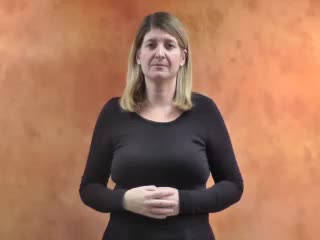
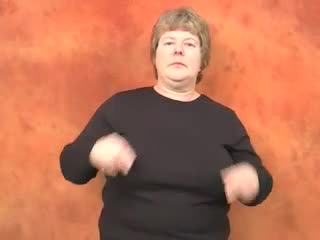
What This Sign Means in BSL
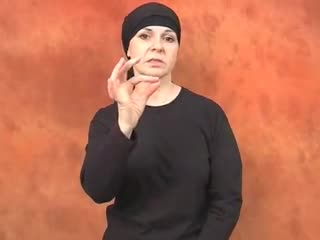
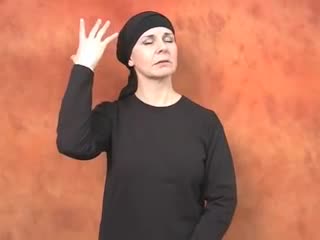
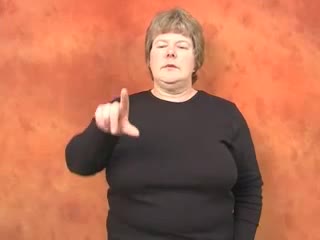
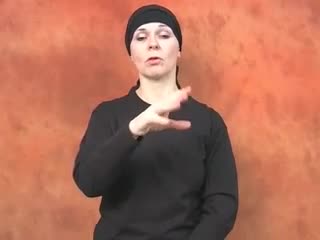
The BSL sign for listen is a truly foundational piece of communication, directly representing the act of paying attention to sound. It's not just about sound waves physically entering your ear, but the active mental engagement that follows. When you sign "listen," you're conveying an intention: to process, understand, or simply register what's being heard.
Think of it as turning your internal "audio receiver" on and directing it towards a source. The simple, direct movement of your index finger tapping near your ear makes this sign incredibly intuitive and universally understood within the BSL community. It beautifully captures the focused nature of listening, distinguishing it from merely "hearing" something passively.
This sign carries a natural weight of responsiveness. It can be a gentle request, an affirmation of engagement, or even a descriptive action. Its clarity makes it a go-to sign in countless conversational settings, underpinning much of our day-to-day interactions.
When This Sign Feels Natural
You'll find the sign for "listen" feels natural in a wide array of situations, from the everyday to moments needing specific attention. It's perfect when you're asking someone to give you their ear, perhaps to an important instruction or a story you're sharing. "Please listen to me," or "Are you listening?" are classic scenarios where this sign shines.
It also fits beautifully when you're describing your own actions or those of others. Imagine telling a friend, "I was listening to music all afternoon," or observing, "She always listens carefully during meetings." Its versatility means it effortlessly bridges informal chats and more structured discussions, always signaling that active auditory engagement is occurring or being requested.
While often used for speech, don't limit it! You can use it to refer to listening to birdsong, the radio, or even the sound of rain. The key is that the recipient of the sign, or the person being described, is actively directing their attention to an auditory input. It’s a sign that expresses an intent to perceive, making it applicable whenever focused sound reception is the core idea.
What Learners Usually Miss
One common snag for learners is truly distinguishing "listen" from the sign for "hear" in BSL. While both involve sound, "listen" implies a conscious, intentional effort, whereas "hear" can be more passive or accidental. Think of it this way: you might hear a dog bark from afar without actively trying, but you listen to a podcast with purpose. The repeated, gentle tapping motion for "listen" really reinforces this ongoing, intentional engagement.
Another subtle point often overlooked is the lightness and rhythm of the movement. It’s a soft, repeated tap or brush of the index fingertip near the ear, not a firm poke or a single, sharp jab. A strong, singular movement might convey something else entirely. Practice making the motion gentle and continuous, almost like an internal reminder to keep focusing your ear. It should feel natural and effortless, reflecting the smooth flow of sustained attention.
Finally, don't forget the power of facial expression with this sign. While the handshape and movement are clear, the face adds crucial nuance. An attentive, neutral expression usually accompanies "I'm listening." If you’re asking someone to listen intently, a slightly furrowed brow or an expectant look can enhance the message. Conversely, a relaxed face might suggest listening to music for pleasure. A flat, unexpressive face can make the sign feel robotic and less engaging, so let your natural reactions to listening shine through.
A Simple Way to Remember It
To remember the BSL sign for listen, connect its physical form directly to the act itself. Imagine your index finger is a little antenna, reaching out or drawing attention to the very organ that performs the listening. The repeated motion reinforces the idea of sustained attention, like you're gently reminding your ear, "Stay engaged!"
- The "Pointing" Finger: Your extended index finger is often used to point to things, and here it’s pointing right at the source of sound input – your ear. It’s a direct visual cue for where the action is happening.
- The Gentle Tap: The soft, repeated tap or brush near your ear can be thought of as gently "activating" or "checking in" with your listening ability. It’s not aggressive, but a steady, persistent motion.
- The Location: Placing the sign right by the ear is brilliantly iconic. There’s no ambiguity about what sense you’re engaging. It’s a clear, universal symbol for focusing on auditory information.
Short Practice Situations
- When your friend is telling a story, you might sign "I'm listening" to show you’re engaged and following along.
- If a teacher is giving instructions, you might sign "Please listen carefully" to the class before they begin.
- Imagine you're relaxing at home; you could sign "I'm just listening to the radio" to explain your activity.
- In a group discussion, you might encourage someone to "Listen to what they're saying" to ensure everyone's perspective is heard.
- During a quiet moment, you could sign "Do you hear that? Listen to the birds outside."
Signs to Learn Next
- HEAR: It’s absolutely essential to learn this sign alongside "listen" to grasp the crucial distinction between passive sound perception and active, intentional auditory engagement.
- ATTENTION / FOCUS: These signs are closely related because listening often requires you to direct your attention and focus your mind. Learning them helps express different shades of mental engagement.
- UNDERSTAND: What's the goal of listening? Often, it's to understand. Connecting "listen" with "understand" helps you express the full communication loop, from input to comprehension.
- SOUND: This sign describes the very thing you're listening to. Whether it's music, noise, or speech, "sound" is the object of your listening, making it a natural follow-on.
- TALK / SPEAK: Listening is one half of a conversation. Learning the sign for "talk" or "speak" helps you complete the dialogue, showing how we exchange information back and forth.