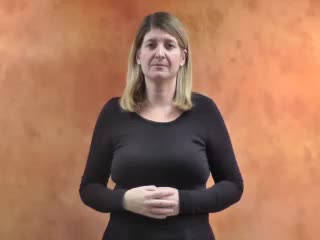
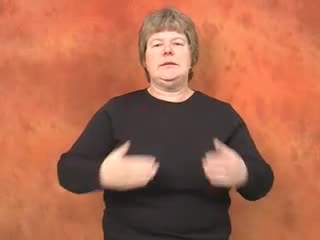
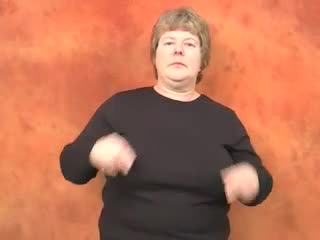
What This Sign Means in BSL
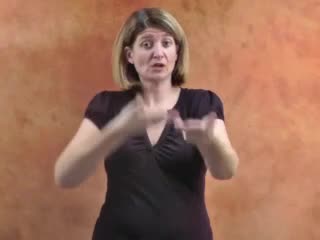
The BSL sign for visit is a beautifully direct way to express the action of going to see a person or a place. At its core, it embodies the idea of making a purposeful journey to a specific destination with the intention of being present there, whether it's for a social call, an exploration, or a check-in. It’s a foundational verb in BSL, indicating movement towards and engagement at a location.
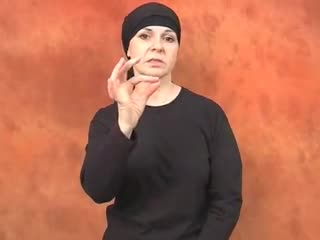
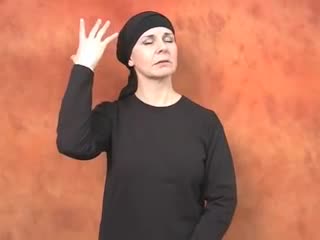
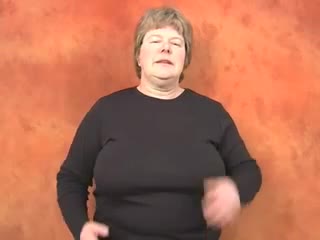
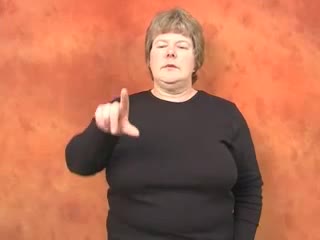
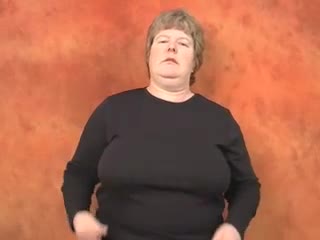
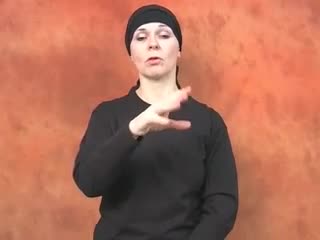
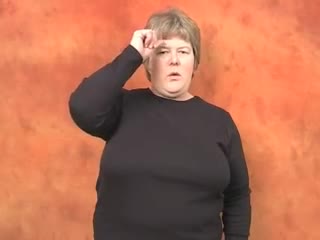
Visually, the sign is quite intuitive. Your dominant hand, shaped into a 'V' (often seen as representing two legs or a person), travels forward and makes a gentle connection. This movement clearly conveys the act of approaching and arriving, making the sign immediately understandable in many contexts. It carries a tone of active engagement rather than passive observation.
This sign is remarkably versatile, covering a wide range of visiting scenarios. You can use it to talk about visiting friends, family, or neighbours, as well as visiting specific places like a museum, a city, or even a different country. It generally implies a temporary stay or interaction, distinguishing it from signs related to living or residing somewhere permanently.
When This Sign Feels Natural
You'll find the sign for visit feels most natural when discussing plans, recounting past events, or making suggestions that involve going to someone's home or a particular location. Think of everyday conversations: "Are you visiting your mum this weekend?" or "I really want to visit the new exhibition." It fits comfortably into both casual chats and more structured conversations about travel or social engagements.
It’s particularly effective when the emphasis is on the *act* of calling upon someone or frequenting a place. If you're inviting someone over, you might use signs like "come" or "welcome," but if you're talking about *your* action of going to *their* place, "visit" is perfect. Similarly, when talking about exploring a tourist attraction, "visit" captures that purpose-driven journey clearly.
However, it’s worth noting when you might choose a different sign. If you're simply talking about "going" somewhere without the specific purpose of a social call or exploration – for instance, "I'm going to the shop" – the general sign for "go" might be more appropriate. If you're discussing living or staying long-term in a location, signs like "live" or "stay" would be clearer. The BSL sign for visit zeroes in on that particular, often temporary, interaction with a person or place.
What Learners Usually Miss
One common area where learners sometimes falter with the BSL sign for visit is the precise **handshape**. It's crucial that your dominant hand forms a clear 'V' shape, with your index and middle fingers extended and separated, while your thumb and remaining fingers are tucked in. Learners occasionally default to a single index finger or a flat hand, which can change the meaning entirely or make the sign unclear. The 'V' is quite distinctive and often represents people or movement, so getting this right is key.
Another subtle but important detail is the **rhythm and number of taps**. The sign requires two distinct, light taps of your 'V'-shaped hand. It’s not a single tap, nor is it a continuous, rubbing motion. These two taps are like gentle footsteps arriving at a destination or a polite double-knock. Missing one of these taps, or making the movement too forceful or prolonged, can dilute the sign's clarity and natural flow. Practice making these taps light and consistent.
Finally, pay attention to the **location and direction** of the sign. The taps should occur in a neutral space in front of your body, often slightly towards your non-dominant side, or even making light contact with your non-dominant hand as a reference point. Avoid making the sign too high above your head, too low by your waist, or drifting too far off to the side, as this can affect how easily the sign is understood. The general direction is forward, representing the journey to the visited place or person.
A Simple Way to Remember It
To help remember the sign for visit, picture your dominant hand, shaped like a 'V', as two legs taking a brief trip. The two distinct taps are like your feet touching down at your destination, or perhaps a friendly double-knock on a door as you arrive to call upon someone. It’s an active, purposeful arrival.
- The 'V' for 'Venture' or 'V-isit': Think of your two fingers as two legs walking to a place, or two people meeting up.
- Double Tap, Double Take: The two taps are like a gentle 'knock-knock' at the door, signalling you’ve arrived and are present.
- Landing at the Location: Visualise your hand making a small, purposeful 'landing' twice at a destination, confirming your presence there.
Short Practice Situations
- Are you planning to visit your grandmother next month for her birthday?
- I really enjoy visiting historical castles when I travel around the UK.
- My friends from university are coming to visit me next weekend; I’m so excited!
- We often visit the local park on sunny afternoons to relax and play.
- Have you ever visited a different country and experienced a new culture?
Signs to Learn Next
- GO: This sign complements "visit" perfectly, as you often "go" somewhere *to* "visit." It describes the general movement, while "visit" adds the specific purpose.
- COME: The inverse of "go," useful when inviting people to *your* location. Understanding both "go" and "come" helps clarify direction in conversations about visits.
- FRIEND / FAMILY: These are very common subjects of a visit, so learning these signs will immediately expand your practical usage of "visit."
- TRAVEL: If the visit involves a longer journey, "travel" often precedes or accompanies "visit" to describe the overall expedition.
- SEE: While "visit" implies active presence, "see" can be about observation. Sometimes you "go to see" a show or a specific sight, which is a related but distinct action.