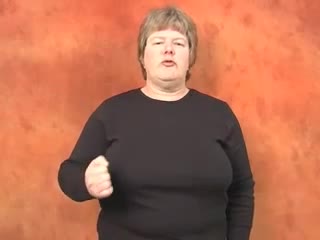
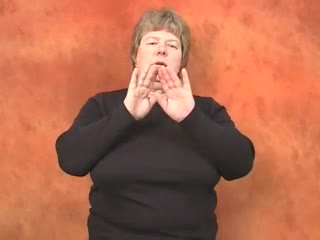
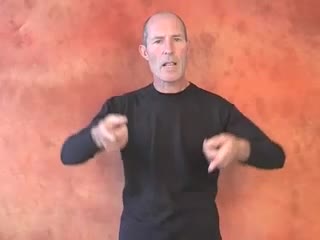
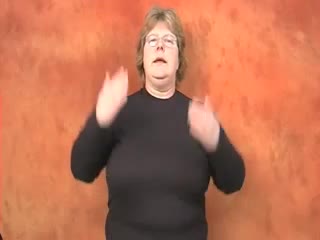
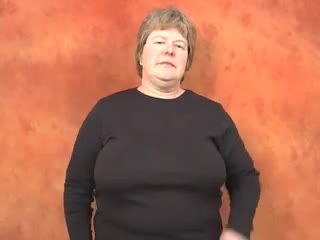
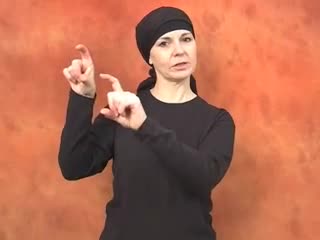
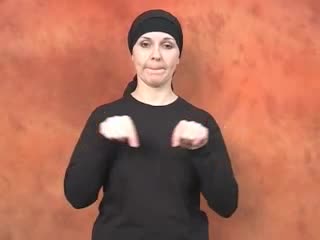
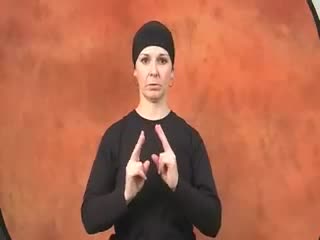
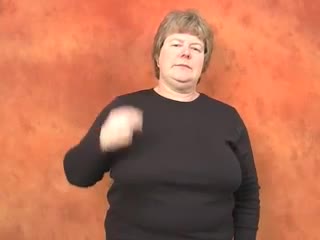
1.[en] Next year. / BSL: NEXT YEAR | 2.[en] Last year. / BSL: PAST YEAR | 3.[en] Every year. / BSL: EVERY YEAR
1.[en] Next year. / BSL: NEXT YEAR | 2.[en] Last year. / BSL: PAST YEAR | 3.[en] Every year. / BSL: EVERY YEAR
Create a free account to keep your watch history and review plan.
A period of 365 or 366 days, divided into 12 months
Save this sign
Build your personal BSL dictionary - free account lets you save signs, track progress, and earn XP.
Create free account Already have an account? Log in →Create a free account to save this sign, keep your watch history, and write unlimited journal notes - everything on SignDeaf is free.
How well do you know this sign?
Keep your streak going
Create a free account for unlimited reviews and to save your progress. Everything on SignDeaf is free.
Create free account Already have an account? Log in →Write memory tricks, usage examples, and cultural reminders beside each sign. Create a free account to keep unlimited notes on every sign - completely free.
Create free account Already have an account? Log inThe BSL sign for year is one of those foundational signs that, once learned, unlocks a whole world of conversation about time. It’s remarkably intuitive, visually representing the concept of a full cycle or a complete revolution. When you see it, you can almost feel the passage of time it encapsulates.
This sign is clear and unambiguous; it consistently refers to a 12-month period. There’s little room for confusion, making it a reliable anchor when discussing ages, anniversaries, or future plans. It’s a direct and efficient way to communicate a significant unit of time.
Think of it as the bedrock for many time-related discussions. It’s not just a word; it’s a concept visually brought to life, symbolising a complete journey through the seasons. Mastering this sign early on will significantly boost your confidence in expressing temporal ideas in BSL.
You’ll find yourself reaching for the sign "year" constantly in everyday conversations. It fits perfectly when you’re talking about someone’s age, annual holidays, upcoming events, or even historical periods. Whether you're telling a friend about your holiday plans for "next year" or discussing how many "years" you've been learning BSL, this sign is your go-to.
This sign is incredibly versatile, fitting seamlessly into both casual chats and more formal discussions. There isn’t a specific register you need to worry about; it’s the standard and universally understood way to express a 12-month duration across the BSL community in the UK. It’s simply part of the fabric of daily communication.
It feels most natural when you are specifying a duration or a distinct period of time. For instance, "I’ve lived here for five years." However, if you’re talking about time in a general, abstract sense, or making a vague reference to the future, other signs might be more appropriate. "Year" is about that completed, cyclical span.
A common oversight with this sign is the quality and precision of the movement. The dominant fist doesn't just casually wave around the non-dominant one; it executes a distinct, smooth, single circle. Learners sometimes rush this, making the circle too small or performing multiple, jerky rotations. The sign demands a clear, deliberate, full revolution to properly convey the complete passage of time.
Another subtle point is the relationship between the hands. While the dominant hand circles *around* the non-dominant, there's typically no direct *contact* between them during the orbit itself. It's an orbital motion, like a planet around a sun. Some learners might accidentally bump their fists together or hold them too far apart. Aim for them to be close enough to clearly illustrate the "orbit," but not touching.
Additionally, pay close attention to the non-dominant hand; its role is crucial as the stable anchor. It should remain steady and still while the dominant hand performs the action. It’s easy for both hands to become active, but the non-dominant hand's steadiness is what helps the sign clearly represent a fixed point around which time cycles. This stability ensures the sign maintains its clear visual metaphor.
The sign for "year" beautifully mimics the Earth's journey around the sun. Picture your steady, non-dominant fist as the sun, an unmoving centre. Then, imagine your dominant fist as the Earth, making one complete, smooth orbit around it. One full circle equals one full year, a powerful and easy-to-recall visual.
Dominant S-hand circles non-dominant S-hand once. Represents the cyclical nature of a year
Practice signing 'year' with both hands forming fists, dominant circling non-dominant
Ensure dominant hand completes full circle around non-dominant. Maintain clear S-handshapes
Follow these steps to sign year correctly in British Sign Language (BSL):
Tip: Watch the video above while following these steps for best results.
Facial expressions and body language are grammatically essential in British Sign Language (BSL) - not optional!
Use these tiny checks right after watching the video. Fast feedback is what turns recognition into recall.
Pick one so SignDeaf can shape the rest of your session around how this sign actually feels.
One sign gets remembered faster when you attach it to real situations. Try these quick scene prompts.
Use this sign in a short workplace sentence or meeting exchange.
Try signing this while talking about family life or something at home.
Imagine teaching this sign to a classmate or using it in a lesson.
Practise it in a healthcare conversation where clarity matters.
Use it in a travel scenario like asking for help or directions.
1.[en] Next year. / BSL: NEXT YEAR | 2.[en] Last year. / BSL: PAST YEAR | 3.[en] Every year. / BSL: EVERY YEAR
General conversation about time, dates, age
When referring to a specific season or day instead of a full year
Neutral
Time concepts are fundamental in all cultures
Minimal variation for this common sign across the UK
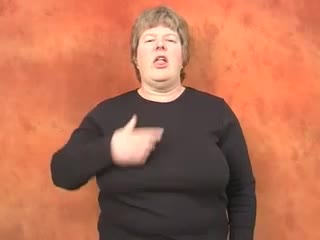
Feeling a need or desire to drink
Compare with thirst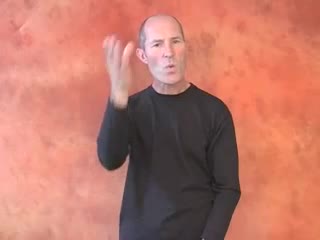
A period of instruction or learning
Compare with lesson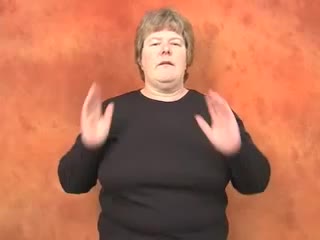
A team sport where players hit a ball over a net with their hands
Compare with volleyballOften combined with numbers for specific durations, e.g., 'two years'
Keep building your British Sign Language (BSL) vocabulary - explore signs by category or browse the full dictionary.