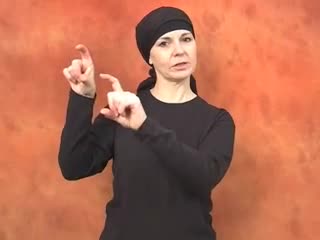
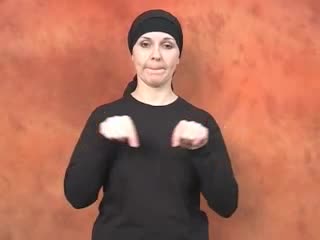
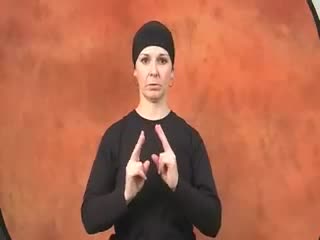
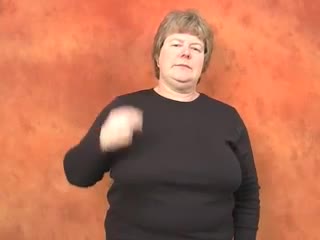
What This Sign Means in BSL
The BSL sign for swimming is remarkably intuitive and visually descriptive, making it one of those signs that often clicks instantly for learners. It's a direct representation of the physical action, specifically mimicking the breaststroke, which is a widely recognised and fundamental swimming style. This mimetic quality is what makes it so powerful and easy to recall in conversation.
Unlike some abstract concepts, this sign doesn't require complex mental gymnastics to understand its meaning. It quite literally shows you the activity. This directness means it carries a very clear and unambiguous message, whether you're talking about the sport itself, an upcoming activity, or a place associated with the action of swimming.
While primarily understood as the noun "swimming", its action-oriented nature means it can also convey "to swim" depending on the surrounding BSL syntax and accompanying non-manual features. This versatility is a hallmark of many BSL signs, but for swimming, the core visual remains consistent, making it a foundational sign for discussing water-based activities.
When This Sign Feels Natural
You'll find yourself naturally reaching for this sign in a wide variety of everyday conversations. It's perfect when discussing hobbies, planning a trip to the local pool, describing a beach holiday, or sharing your weekend activities. Because it's so universally understood, you can use it with confidence across different age groups and levels of BSL fluency, from beginners to native signers.
Consider scenarios where you're talking about exercise or sports; swimming fits right in. It’s also the go-to sign for asking if someone enjoys swimming, or stating that you don't like it. Its clarity means there's rarely a need to elaborate further unless you're specifying a particular stroke or style, which might then be fingerspelled or described.
While you might combine it with other signs like `POOL` (to mean 'swimming pool') or `LESSON` (for 'swimming lesson'), the core sign for the activity itself remains consistent. There aren't many common alternatives that would replace this fundamental sign for the act of swimming in BSL, underscoring its central role in related vocabulary.
What Learners Usually Miss
Many learners initially focus on getting the general movement right but can sometimes overlook the subtle details that give the BSL sign for swimming its natural fluidity. A common tendency is to make the handshape too rigid or the movement too stiff. Remember, the hands should form loose fists (S-handshape), with thumbs gently tucked or resting on the fingers, not clenched tightly. This allows for the smooth, sweeping motion crucial to the sign.
The movement itself needs to be continuous and cyclical, mimicking the rhythmic arm strokes of breaststroke. Learners sometimes make the movement too small, too fast, or too linear, losing the characteristic forward-outward-sweep-back-inward pattern. Pay close attention to the full range of motion, ensuring your hands extend forward and out before sweeping back towards your chest, maintaining a consistent mid-chest to waist height. It’s about conveying the grace and effortlessness of moving through water.
Finally, don't forget the power of non-manual features. While the sign for swimming doesn't demand a specific facial expression in isolation, the context always does. If you're signing about enjoying swimming, a positive, relaxed facial expression enhances the meaning. If you're describing being tired after swimming, a slightly weary expression adds crucial nuance. Integrating these non-manual signals is what truly brings your BSL communication to life.
A Simple Way to Remember It
The easiest way to embed the sign for swimming into your memory is to think of it as a direct, visual narrative of the action itself. Your hands become the swimmer's arms, guiding you through the water. It’s a beautifully iconic sign that requires little abstract thought once you connect it to the physical experience.
- Picture the Breaststroke: The sign is a clear, simple depiction of the breaststroke, the most recognisable and fundamental swimming style. Just imagine yourself doing it!
- Feel the Flow: The fluid, cyclical motion of the hands perfectly imitates the resistance and rhythm of moving through water. Aim for this natural, smooth flow.
- Symmetry of Action: Both hands work in harmony, just like a swimmer's arms. This bilateral symmetry reinforces the natural, balanced movement of swimming.
Short Practice Situations
- I really enjoy swimming in the sea during my summer holidays.
- Are you coming to the local swimming pool with us later this afternoon?
- My children are excited to start their weekly swimming lessons next month.
- I find swimming is the best way to relax and get some good exercise after a long week.
- Don't forget your towel and goggles if you're going for a swimming session today.
Signs to Learn Next
- WATER: This is a natural companion, as swimming always takes place in water. Learning `WATER` helps set the scene for any aquatic activity.
- POOL: Many people swim in a pool, so this sign directly relates to a common location for the activity, often forming phrases like 'swimming pool'.
- SPORT: Since swimming is a popular sport and form of exercise, learning `SPORT` allows you to categorise and discuss it within a broader context of physical activities.
- HOLIDAY: Swimming is a frequent activity on holidays, especially by the sea or in hotels, making `HOLIDAY` a very relevant sign to link with.
- SEA: For those who enjoy open-water swimming or beach trips, `SEA` provides another important contextual location for the sign.