What This Sign Means in BSL
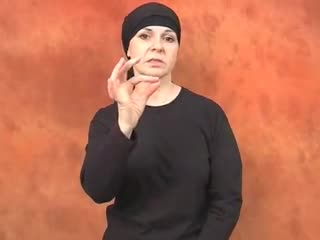
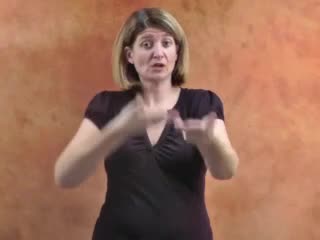
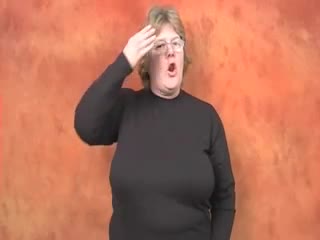
The BSL sign for construct is a powerful verb that visually represents the act of building or putting something together. It goes beyond simply "making" something; it specifically conveys the deliberate assembly of parts into a larger, coherent whole. Think of it as creating a structure, whether that structure is a physical building, a complex argument, or a well-thought-out plan.
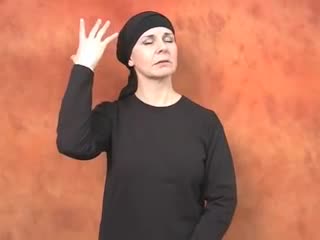
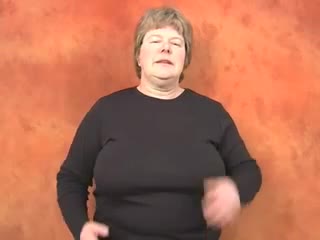
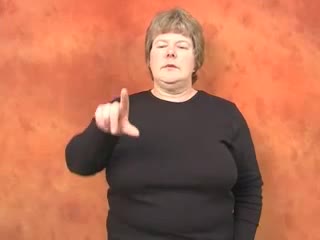
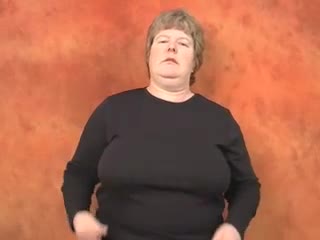
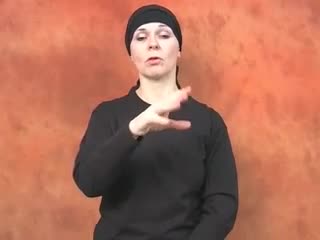
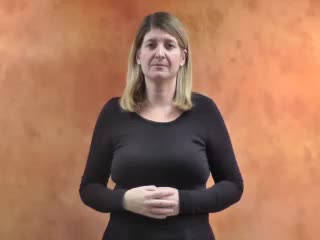
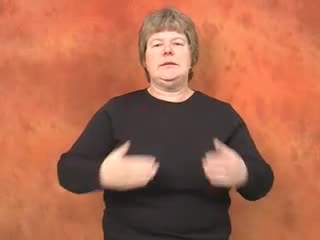
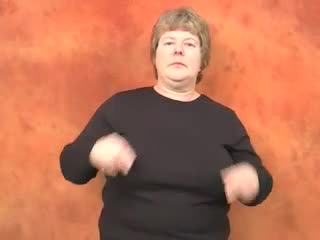
You'll notice the distinct handshape: both hands are flat, with fingers together, and your thumb is either tucked alongside or neatly aligned. This flat hand often symbolises a surface, a layer, or a foundation. The movement is key – your hands start around mid-chest height and move upwards and slightly outwards. This upward motion clearly signifies adding layers, growing, or elevating, while the outward movement suggests expansion and the formation of a distinct entity. Often, these movements are alternating, like laying bricks one by one, or sometimes simultaneous, as if raising walls.
This sign truly embodies the concept of construction. It’s about careful, intentional assembly, implying a process rather than an instant creation. When you see this sign, you should get a sense of a methodical, organised effort to bring something into existence, piece by piece, or concept by concept.
When This Sign Feels Natural
This sign feels most natural when you're referring to creating something with a distinct form or logical arrangement. It's excellent for talking about engineering projects, architecture, or even the careful development of abstract ideas. For instance, when discussing plans for a new school, the construction of a bridge, or even how someone constructs a compelling narrative, this sign fits perfectly. It carries a sense of formality and precision that aligns with the detailed nature of construction.
You'll find it particularly useful in professional or academic contexts where the exact nature of building or forming is important. Imagine a discussion about urban planning, scientific theory development, or legal arguments. In these situations, using "construct" adds a layer of specificity that a more general sign like "make" might miss. It highlights the structured, often complex, effort involved.
However, it wouldn't typically be used for simple, everyday "making," like making a cup of tea or making a mess. For those, there are other, more appropriate signs. This sign's strength lies in its ability to convey the creation of something significant and structured, something that requires deliberate thought and assembly. It speaks to the process of bringing a substantial concept or object into being.
What Learners Usually Miss
One of the most common things learners often miss with this sign is the critical upward element of the movement. It’s not just about pushing your hands forward or simply moving them outwards from the body. The sign needs to clearly demonstrate an ascent, as if you are stacking or elevating components. Without this upward trajectory, the sign can lose its core meaning of building up layers or structure, potentially becoming confused with other signs that involve outward hand movements.
Another subtle but important detail is the controlled and deliberate rhythm. While the hands can move alternately or simultaneously, the movement should feel steady and intentional, not rushed or haphazard. Imagine the precision of a builder or an engineer; their actions are measured. Sometimes learners might perform the sign too quickly, which diminishes the sense of careful assembly, or too loosely, which loses the solidity implied by the flat handshapes. Pay attention to the smooth flow and the clear definition of each upward and outward pulse.
Finally, ensure your handshapes remain consistently flat with fingers together throughout the movement. It’s easy for fingers to splay slightly or for the hands to lose their flat posture, which can weaken the visual metaphor of a solid foundation or a smooth surface being added. Keeping the hands firm and aligned reinforces the idea of building with strong, consistent elements. Practice maintaining that flat, cohesive handshape from start to finish.
A Simple Way to Remember It
To really cement the BSL sign for construct in your memory, visualise the act of building something solid and growing. Think of your hands as the components or layers, and the movement as the process of stacking them up to create a finished form.
- The "Building Blocks" Hands: Imagine your flat hands as sturdy building blocks or layers. When you bring them up and out, you’re visually adding these blocks to create something tall and wide.
- The "Rising Structure" Movement: The upward motion is like a building growing taller, floor by floor. The slight outward movement suggests it's also expanding or taking its place in the world.
- The "Careful Assembly" Feel: Think of the deliberate, often alternating, movement as carefully laying bricks or fitting pieces together, step by step, to form a robust structure.
Short Practice Situations
- Imagine you are discussing a new project: "The team will construct a detailed plan for the new marketing campaign next week."
- You're talking about architecture: "They aim to construct an eco-friendly apartment building in the city centre."
- Consider a challenging debate: "It takes significant skill to construct a persuasive argument during a live discussion."
- Thinking about a community initiative: "Local volunteers helped to construct a new play area for the children in the park."
Signs to Learn Next
- CREATE: While "construct" implies building with structure, "create" (often involving circular or shaping hand movements) is a broader term for bringing something new into existence, whether it's art, ideas, or even a simple meal. Learning this helps you differentiate between structured building and general invention.
- PLAN: This sign often involves mapping out an idea or outlining steps. Learning "plan" alongside "construct" is natural because planning is usually the precursor to any major construction effort, whether physical or abstract.
- BUILDING: This sign typically describes the finished structure itself, often moving hands upwards to represent height. Understanding "building" as a noun complements "construct" as the verb, showing the result of the action.
- DEVELOP: Often signed with hands moving forward and expanding, "develop" shares conceptual ground with "construct" when discussing the growth of ideas, strategies, or people. It helps distinguish between physical construction and the evolution of concepts.