Speed
0
Practice reps times watched

Create a free account to keep your watch history and review plan.

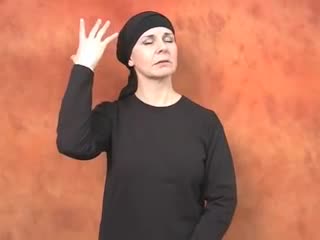
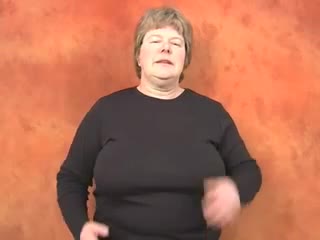
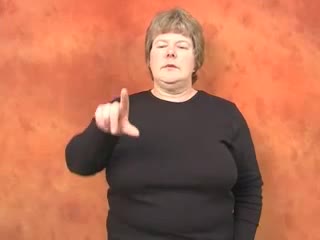
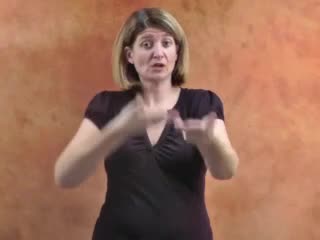
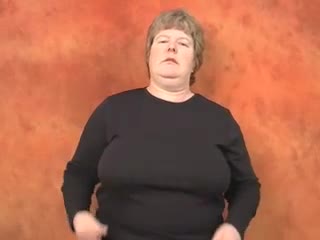
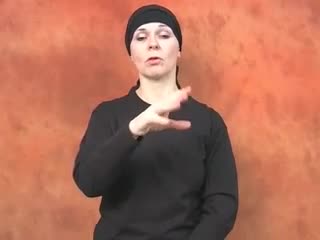
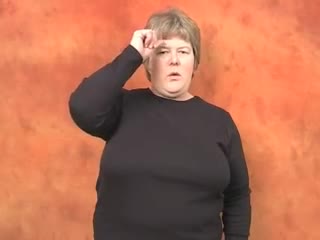
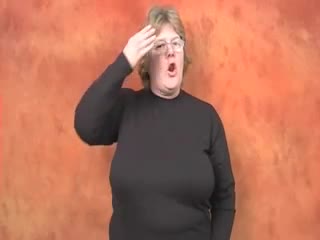
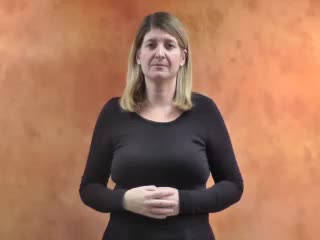
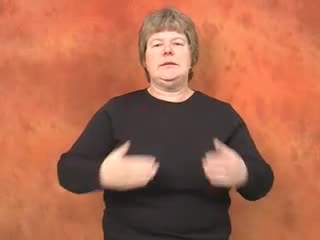
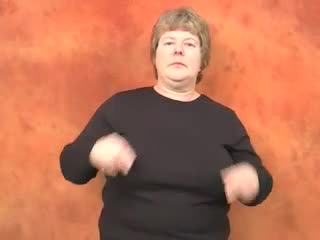
Best practice Use mirror mode, then watch the frame breakdown below to catch the start, movement, and finish cleanly.
Video via SpreadTheSign  - Free educational resource BSL
Updated April 25, 2026
British Sign Language (BSL) 🟢 Beginner 📊 A2 ⚡ Common Verb

plan

To formulate a detailed scheme for doing, achieving, or making something

Source-linked video Step-by-step guide Context and safety notes
Synonyms
Arrange prepare design intend
Antonyms
Improvise unplanned spontaneous
Difficulty
Not rated yet

Create a free account to save this sign, keep your watch history, and unlock a one-note journal preview.

How to sign it
Handshape
Both hands are flat (B-hand), fingers together, thumb tucked
Location
Starts near chest/waist, extends forward
Movement
Both hands move forward and slightly down in parallel
Palm Orientation
Palms face slightly down or forward
Facial Expression
Neutral facial expression, or slight concentration
🔁 Spaced Review Try it free

How well do you know this sign?

PLAN
Your Progress Live
🌱
Level 1 · BSL Beginner +0 XP today
This sign Not learned yet
0 watches
Mastery 0%
Confidence
How well do you know this sign?
0 🔥 Streak
0 Signs seen
0 Learned
0 Watches
📖 Vocabulary health 🔒 Log in to see score
0 Mastered
0 Confident
0 Practicing
0 Just seen

Create a free account to keep your vocabulary score between sessions

7-day activity 0 of 7 active

Register free to sync activity across devices

Watch signs to see your history here

Tracking locally for now. Create a free account to save your progress and sync across devices.
Free gets you started. Paid adds the repeat-learning layer: review queues, deeper notes, compare mode, and better comeback tools.
My Sign Journal
Personal notes, saved to your account forever
Locked

Write memory tricks, usage examples, and cultural reminders beside each sign. Create a free account to unlock your first saved note preview on this page.

Create free account Already have an account? Log in

What This Sign Means in BSL

The BSL sign for plan is a beautifully intuitive verb that visually captures the essence of foresight and organisation. Imagine laying out your ideas, a map, or a timeline right in front of you. Both your hands, held flat with fingers together and thumbs tucked – often called B-hands – start near your chest or waist, then smoothly move forward and slightly down in parallel. This action isn't just about thinking; it's about projecting an ordered sequence of events into the future, creating a blueprint for action.

What makes this sign so compelling is its suggestion of intentionality and progression. It’s not a static thought, but a dynamic process of mapping out how things will unfold. The parallel movement of your hands signifies a balanced, considered approach, as if you're smoothing out the details of a strategy or journey. When you use this sign, you’re conveying not just a vague idea, but a structured intention, showing a clear path forward for yourself or others.

When This Sign Feels Natural

You’ll find this sign feels incredibly natural and effective in a wide range of everyday conversations. It’s perfect when you're discussing future events, like your holiday itinerary, a work project schedule, or even just what you're going to do next weekend. Think about situations where you're actively structuring, scheduling, or strategising. For instance, "We need to plan our trip carefully," or "I'm helping them plan the school play." The sign fits seamlessly into both casual chats and more formal discussions about objectives and timelines.

While versatile, it's worth considering when a different sign might be a better fit. If your intent is purely about generating an "idea" or a "thought," there are other BSL signs that capture that more abstract mental process. Similarly, if you're talking about the creative process of "designing" something, which often involves more intricate shaping or drawing actions, the sign for plan might not quite hit the mark. Remember, plan is about the organised arrangement of future actions, so if you're simply "preparing" for something without a detailed blueprint, that might be a distinct sign to consider.

What Learners Usually Miss

One of the most common subtleties learners often overlook with the BSL sign for plan is the precision of the hand movement and orientation. It’s not just about pushing your hands forward; it’s crucial that both B-hands remain perfectly parallel to each other throughout the movement. They should also maintain a slight, consistent downward slope as they extend from your body. Many learners either let their hands drift out of parallel, or they keep them entirely flat and horizontal. This slight downward angle helps convey the idea of laying something out or projecting it onto a surface, making the sign visually richer and clearer.

Another area where learners sometimes falter is in the rhythm and accompanying facial expression. The movement for plan should be smooth and controlled, not jerky or abrupt. It's a thoughtful, deliberate action. While a neutral or reflective expression often suits the act of planning, don't be afraid to let your face reflect the kind of plan you're discussing. An exciting holiday plan might naturally bring a slight smile, whereas a complex project plan could involve a more focused, furrowed brow. Over-using the sign for any general future thought can also dilute its specific meaning; reserve it for when you truly mean a structured, organised arrangement of actions.

A Simple Way to Remember It

Think of the BSL sign for plan as metaphorically laying out a detailed map or a scroll of information right in front of you, smoothing out the details as your hands move forward. This visual helps reinforce the idea of organising and arranging future actions in a clear, accessible way.

  • The Blueprint: Imagine your hands are smoothing out a large blueprint or a detailed document, projecting the vision for what's to come.
  • Future Projection: Feel like you’re literally pushing your organised thoughts and intentions out from your mind into the future, mapping them out in space.
  • Table Layout: Picture yourself clearing a table and then carefully laying down all the components of your plan, side-by-side, ready for review.

Short Practice Situations

  • "We need to plan our route carefully before we set off on our road trip."
  • "The project manager asked us to plan the next phase of development by Friday."
  • "Have you started to plan your garden for the spring planting season yet?"
  • "It's always a good idea to plan ahead, especially for big events."

Signs to Learn Next

  • FUTURE: Often, when we plan, we're thinking about what's coming next. Learning "future" helps you place your plans in a temporal context.
  • PREPARE: Planning usually leads to preparation. You plan the action, then you prepare to execute it, making these two signs natural companions.
  • ORGANISE: The act of planning is deeply tied to organising. Learning "organise" will reinforce the structured thinking behind good planning.
  • IDEA: While distinct from "plan," an "idea" is often the starting point for any plan. Understanding both helps differentiate between initial thoughts and structured proposals.
  • SCHEDULE: A "schedule" is often the direct result or a key component of a plan, showing specific timings and arrangements for planned activities.

🤖 AI Learning Guide for "plan"

The BSL sign for 'plan' uses two flat hands moving forward from the chest, signifying laying out future intentions

🎯 Practice Challenge

Try signing 'plan' while thinking about your next task

⚠️ Most Common Mistake

Ensure both hands stay parallel and move together smoothly

👐 How to Sign "plan" in British Sign Language (BSL) (Quick Answer)

Follow these steps to sign plan correctly in British Sign Language (BSL):

  1. 1 Form B-hands, fingers together, thumb tucked
  2. 2 Place hands near chest/waist, palms slightly down
  3. 3 Move both hands forward in parallel, slightly down
  4. 4 Finish with hands extended forward

Tip: Watch the video above while following these steps for best results.

🤚 Sign Profile

🤚
Handshape
Both hands are flat (B-hand), fingers together, thumb tucked
🔣
Handshape Code
B
Dominant Hand
Either
🙌
Hand Count
Two-handed
📍
Location
Starts near chest/waist, extends forward
↗️
Movement
Both hands move forward and slightly down in parallel
🔄
Movement Type
Linear
👆
Contact
Air
👋
Palm Orientation
Palms face slightly down or forward
⚖️
Symmetry
Symmetric

😊 Non-Manual Features

Facial expressions and body language are grammatically essential in British Sign Language (BSL) - not optional!

😊
Facial Expression
Neutral facial expression, or slight concentration
🙆
Eyebrows
Neutral
👁️
Eye Gaze
Forward
🙂
Head Movement
None
👄
Mouth Morpheme
'plan' or neutral mouthing
🕴️
Body Shift
None

📖 Grammar & Linguistics

Part of Speech Verb
Transitivity Both
Inflection Yes
Classifier Usage N/A
Role Shift No

🎓 Learning Context

📌 When to Use: Discussing future actions, intentions, or arrangements
⚠️ Common Mistake: Confusing with 'future' or 'think'. Not keeping hands parallel
🚫 When NOT to Use: When referring to a blueprint or architectural plan (noun)
Context Tags
Future intention arrangement strategy preparation

🧪 Practice Lab

Use these tiny checks right after watching the video. Fast feedback is what turns recognition into recall.

Meaning check

Which word matches the sign you just watched?

Usage check

Where would this sign fit most naturally?

Confidence check

How do you feel about plan right now?

Pick one so SignDeaf can shape the rest of your session around how this sign actually feels.

🧭 Scenario Drill

One sign gets remembered faster when you attach it to real situations. Try these quick scene prompts.

Work

Stretch practice

Use this sign in a short workplace sentence or meeting exchange.

Family

Stretch practice

Try signing this while talking about family life or something at home.

School

Stretch practice

Imagine teaching this sign to a classmate or using it in a lesson.

Doctor

Stretch practice

Practise it in a healthcare conversation where clarity matters.

Travel

Stretch practice

Use it in a travel scenario like asking for help or directions.

💬 Example Usage

1.[en] I need to plan my day. / BSL:[Sign PLAN then MY DAY] | 2.[en] What are your plans for the weekend? / BSL:[Sign WHAT YOUR PLAN WEEKEND] | 3.[en] We are planning a trip. / BSL:[Sign WE PLAN TRIP]

1.[en] I need to plan my day. / BSL:[Sign PLAN then MY DAY] | 2.[en] What are your plans for the weekend? / BSL:[Sign WHAT YOUR PLAN WEEKEND] | 3.[en] We are planning a trip. / BSL:[Sign WE PLAN TRIP]

When to use it

Discussing future actions, intentions, or arrangements

When not to use it

When referring to a blueprint or architectural plan (noun)

Register

Neutral

🌍 Cultural Context

The forward movement often visually signifies looking ahead or laying out

🗺️ Regional Variations

Minor variations in exact start height or palm angle

⚖️ Similar Signs - What's the Difference?

This sign plan
VS
Similar signs Look closely
**FUTURE:** Uses one B-hand sweeping forward from near the ear/side of the head. 'PLAN' uses two hands from the chest, indicating laying out details for what's ahead. **THINK:** Involves a single index finger touching the temple. While related in concept, 'PLAN' is about active formulation and projection of ideas, not just mental activity
lend sign thumbnail

lend

Beginner

To give something to someone temporarily, expecting its return

Compare with lend

📝 Usage Notes

Can imply forethought and preparation for future events or activities

Frequently Asked Questions

Common questions about the British Sign Language (BSL) sign for "plan".

🏷️ Tags

Handshape

Keywords

💡
Did you know?
Practising in front of a mirror helps you check your handshape and movement.

📚 Explore More British Sign Language (BSL) Signs

Keep building your British Sign Language (BSL) vocabulary - explore signs by category or browse the full dictionary.