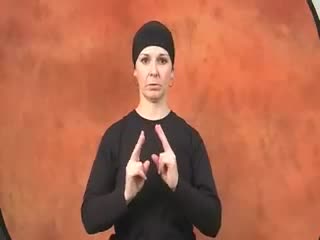
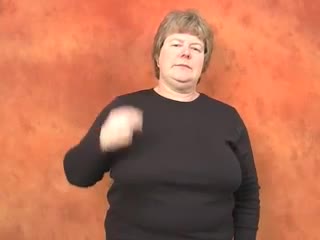
What This Sign Means in BSL
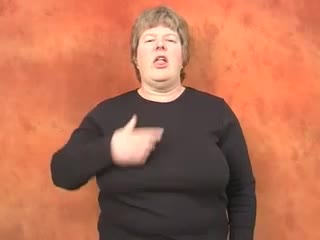
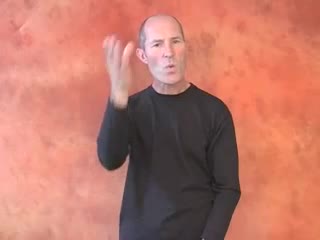
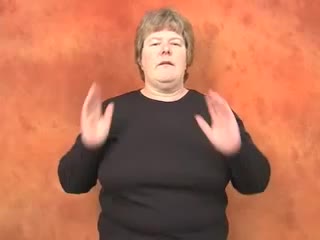
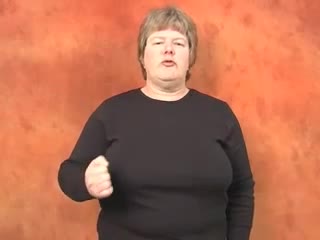
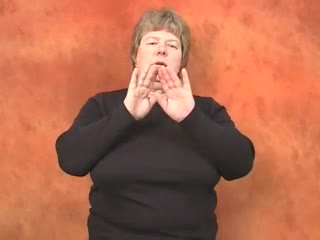
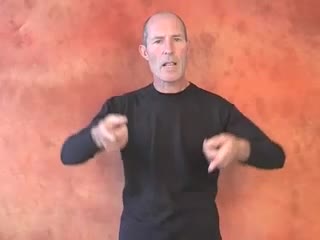
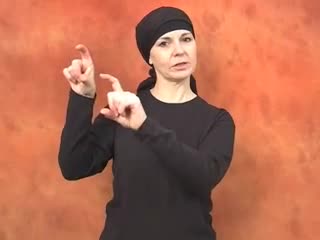
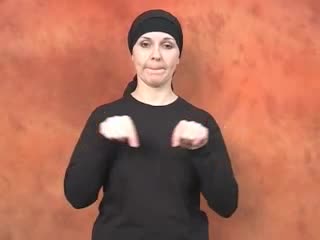
The BSL sign for pressure is wonderfully direct, visually embodying the concept of force applied downwards. At its most fundamental, it represents a literal physical pressing. Imagine pushing down on a button, or the weight of something heavy resting on a surface. This sign captures that tangible sensation and action with a clear, unambiguous movement.
What makes this sign so versatile is its ability to extend beyond the physical. While it can certainly refer to a plumber talking about water pressure or a doctor discussing applying pressure to a wound, it’s most frequently used to convey abstract forms of pressure. Think about the stress of deadlines, the weight of expectations, or the feeling of being under the thumb of circumstances. The downward, firm movement powerfully communicates the idea of something pressing down on you, whether it’s a physical object or an invisible burden.
This sign carries an inherent sense of impact and sometimes constraint. It suggests a force that can be external and unavoidable, often leading to feelings of being overwhelmed or constrained. When you see this sign, you immediately grasp the idea of a significant influence being exerted, a force that demands attention and response. It’s a sign that doesn't just describe pressure; it evokes the feeling of it.
When This Sign Feels Natural
You'll find yourself reaching for this sign naturally in a wide range of everyday conversations, particularly when discussing challenges or demands. It's perfect for expressing work-related stress, like when you're under a lot of "pressure" to finish a project on time. Similarly, if you're talking about financial difficulties, the sign for pressure succinctly conveys the burden of those responsibilities. It’s also very common in discussions about social or political issues, where public "pressure" can lead to change.
This sign is a go-to in both formal and informal registers because of its clarity and universality. Whether you’re explaining a complex concept to a colleague or sharing a personal struggle with a friend, the sign for pressure fits seamlessly. It's direct, impactful, and easily understood across different communication contexts within the Deaf community. You won't sound out of place using it in a serious discussion or a casual chat.
While incredibly useful, there are times you might consider an alternative. If you're talking about very gentle persuasion or influence, the sign "persuade" or "influence" might be more appropriate, as "pressure" implies a stronger, more insistent force. For medical contexts, like blood pressure, specific medical terms or fingerspelling might be preferred, or a more specialised sign if one exists, though "pressure" might still be understood depending on context. The key is to remember that the BSL sign for pressure always carries that sense of firm, significant force.
What Learners Usually Miss
One common oversight for new learners is the precise handshape of the dominant hand. It’s not just a loose 'O' hand. Instead, it’s a flattened O-hand, where your thumb and fingertips are gently but firmly touching, creating a more focused point of contact. This precision is crucial because it visually represents a concentrated point of pressure, rather than a broad, unfocused push. Ensure your non-dominant hand is a flat, open B-hand, serving as the stable surface upon which the pressure is applied.
Another subtle but vital aspect often missed is the firmness and sustained nature of the movement. The dominant hand shouldn't just tap the non-dominant palm; it needs to press down with a deliberate, firm action, holding for a brief moment before releasing. This isn't a quick, light movement. The quality of this firm, downward press is what truly conveys the weight and intensity of the pressure, whether physical or abstract. A weak or quick movement dilutes the sign's impact, making it seem less significant than intended.
Finally, while not strictly part of the sign's core meaning, learners sometimes overlook the role of natural facial expression in enhancing the sign’s emotional impact. When you’re signing about feeling "pressure" due to stress or difficulties, a slightly furrowed brow or a tense mouth can subtly underscore the emotional weight. This isn't about exaggerating, but about letting your natural feelings show through, adding a layer of nuance that enriches your communication. It helps your audience truly empathise with the "pressure" you're describing.
A Simple Way to Remember It
Thinking about the BSL sign for pressure, it’s easy to connect its form directly to its meaning. Imagine literally feeling something heavy pressing down on your hand, or the focused action of pushing a button firmly. Here are a few memory hooks to help solidify this sign in your mind:
- The Physical Act: Visualise your dominant hand as the source of a concentrated force, like a heavy stamp or a thumb pressing into dough. The non-dominant palm is the surface receiving that force.
- The Weighty Feeling: Connect the downward movement to the sensation of being "weighed down" by responsibilities or worries. The sign literally shows something pressing down on you.
- Focused Intensity: The flattened O-hand shape isn't broad; it's focused. This represents the concentrated, often intense nature of pressure, whether it's a specific demand or an overwhelming feeling.
Short Practice Situations
- I'm feeling a lot of pressure at work with this tight deadline approaching next week.
- The company is under immense pressure from customers to improve its services quickly.
- Can you apply firm pressure to this cut to stop the bleeding while I get a bandage?
- She always feels incredible pressure to perform exceptionally well in all her exams.
- There was significant pressure on the government to address the rising cost of living.
Signs to Learn Next
- Stress: This sign often goes hand-in-hand with "pressure" when discussing mental or emotional burdens. Understanding "stress" helps articulate the *impact* of pressure.
- Burden: Similar to pressure, "burden" shares the concept of being weighed down, often by responsibilities or difficulties. It complements "pressure" by describing the *load* itself.
- Responsibility: Many situations involving pressure stem from having "responsibility." Learning this sign helps explain *why* someone might be feeling pressure.
- Difficult: When situations are "difficult," they often create pressure. This sign provides context for the circumstances that lead to feeling pressured.
- Force/Compel: While "pressure" implies a general influence or weight, "force" or "compel" suggests a more direct, active act of making someone do something. This helps differentiate between passive and active external influences.