What This Sign Means in BSL
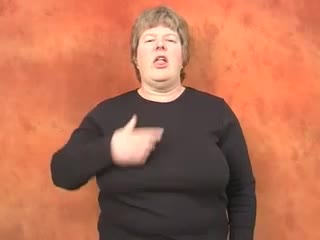
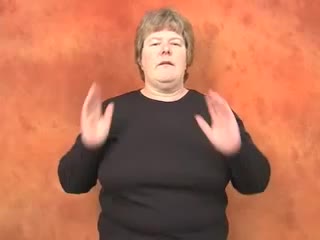
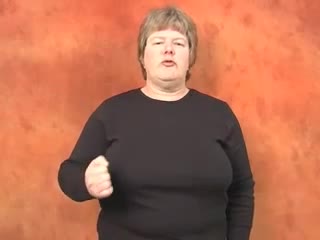
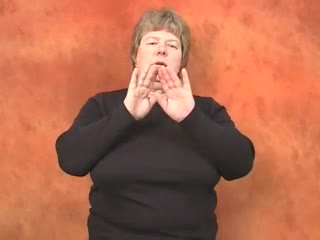
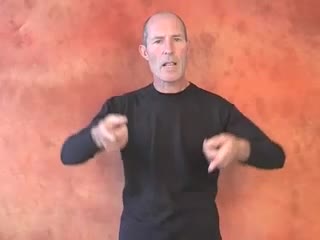
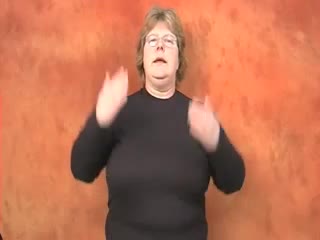
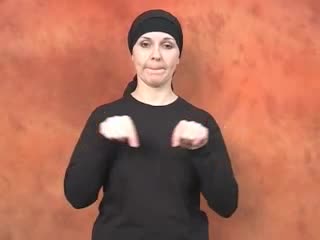
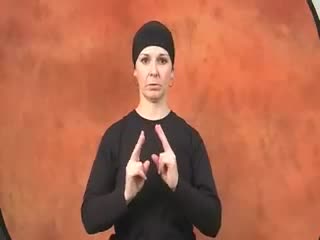
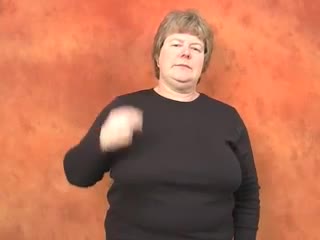
The BSL sign for roofing sheet is beautifully iconic, directly representing the physical object it describes. When you see this sign, you’re not just seeing the word; you’re visualising the flat, wide, and often unwieldy material used to cover a roof. It clearly distinguishes itself from the more general sign for "roof" by focusing on the specific component, the sheet itself, highlighting its characteristic shape and how it's handled.
The handshape, with flat hands, fingers extended and together, and thumbs tucked, perfectly embodies the rigid, planar surface of a roofing sheet. Imagine the broad, flat expanse of corrugated iron or a large sheet of felt. The movement then brings this flat shape to life: a slight upward lift, followed by a sweeping arc outwards and downwards. This mimics the action of lifting a large sheet and then placing or guiding it into position over a structure, often requiring a broad, deliberate motion.
This sign is a prime example of how BSL uses visual representation to convey meaning efficiently. It’s less about abstract vocabulary and more about a physical depiction. Understanding this direct connection will not only help you remember the sign but also appreciate the visual logic embedded within BSL, making it easier to grasp other descriptive signs as you progress in your learning journey.
When This Sign Feels Natural
You’ll find the sign for roofing sheet feels most natural in contexts where the specific material covering a building is being discussed. Think about conversations on a construction site, describing home improvement projects, or detailing damage after a storm. If you’re talking about replacing the corrugated iron on a shed, installing felt on a garage, or discussing the type of cladding on an industrial unit, this sign is precisely what you need.
This sign shines when the material itself is the focus, rather than just the abstract concept of "a roof." For instance, if you're explaining that "the wind blew off a roofing sheet," the specificity helps paint a clear picture. It carries a practical, almost technical register, making it ideal for discussions among tradespeople, homeowners, or anyone involved in building and maintenance. It conveys a clear, unambiguous message about the specific component in question.
However, it’s important to know when to use this sign versus a more general "roof" sign. If you’re simply referring to the top of a house, or making a general statement like "the roof needs repairing," the broader "roof" sign might be more appropriate. Use "roofing sheet" when the material’s characteristic flatness, size, and the way it’s handled are important elements of your communication, ensuring your meaning is precise and understood by your audience.
What Learners Usually Miss
One common pitfall for learners is not fully distinguishing "roofing sheet" from the general sign for "roof" or even "wall." The key difference lies in the specific movement and the implied action. While "roof" might be a more static, flat plane above the head, "roofing sheet" involves that distinctive upward lift followed by an outward and downward sweep. Many learners initially make the movement too small or too direct, missing the expansive, arcing quality that suggests handling a large, cumbersome sheet of material. Remember to make that arc wide and purposeful.
Another subtlety often overlooked is the precision of the handshape throughout the movement. Your hands should remain flat, fingers tightly together, and thumbs tucked, maintaining the integrity of a solid, flat sheet. If your fingers splay or your thumbs pop out, the sign can lose its clarity and might be mistaken for "board" or even a general "flat surface." Practise holding that flat, rigid handshape consistently from start to finish, ensuring it truly represents the material’s form.
Finally, the location and timing are crucial. The sign starts at shoulder height, implying the effort of lifting such a sheet, and the sweep finishes slightly lower and further out, as if placing it. Some learners might sign too high, or perform the sweep too quickly without the slight pause and emphasis on the downward placement. Concentrate on the smooth, deliberate rhythm of the movement, reflecting the careful handling of a large construction material, rather than a quick, dismissive gesture.
A Simple Way to Remember It
Imagine yourself handling a large, flat roofing sheet. This sign is highly visual and physical, so connecting it to that real-world action is your best memory aid.
- The Flatness: Your flat hands, fingers together and thumb tucked, perfectly represent the wide, rigid surface of the sheet. Think of it as holding the sheet itself.
- The Lift and Place: The upward movement before the sweep signifies lifting the heavy sheet, and the outward, downward arc is the motion of carefully guiding and placing it onto the roof structure.
- The Scale: The broad, expansive movement, starting at shoulder height and sweeping wide, gives you the sense of working with a large, substantial piece of material, not just a small tile.
Short Practice Situations
- "We need to buy three new roofing sheets for the garden shed after the strong winds last night."
- "The builder showed us how they install the special insulated roofing sheets on the extension."
- "Could you help me carry these long roofing sheets over to the other side of the yard, please?"
- "They decided to use transparent roofing sheets for the conservatory roof to let in more light."
Signs to Learn Next
- ROOF: This is a natural follow-up, as it provides the broader context for where a roofing sheet belongs. Understanding the general "roof" sign helps differentiate it from the specific "roofing sheet."
- BUILDING / HOUSE: Learning these signs allows you to place the roofing sheet in its full structural context, discussing where it will be used or has been damaged.
- TILE: Another common roofing material, "tile" offers a contrast in size and installation method, further solidifying your understanding of different roofing components.
- HAMMER / NAIL: These tools are often used in conjunction with roofing sheets for fastening them down, providing practical vocabulary for construction-related conversations.
- REPAIR: Given that roofing sheets can be damaged, knowing the sign for "repair" allows you to discuss the actions often taken when these materials are involved.