What This Sign Means in BSL
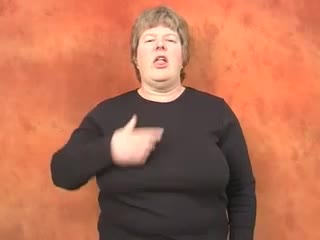
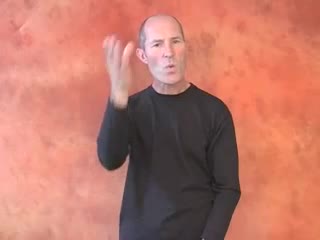
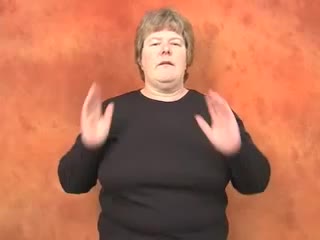
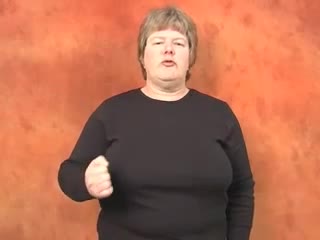
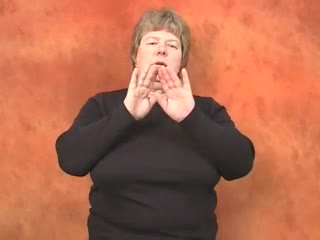
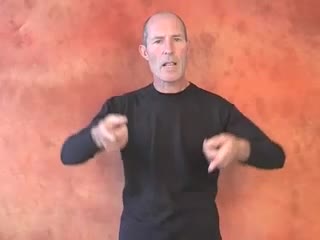
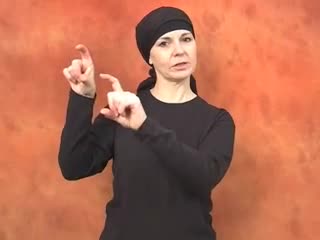
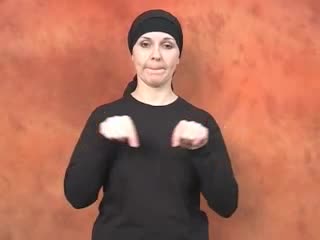
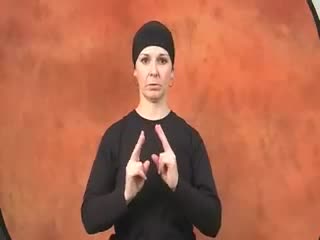
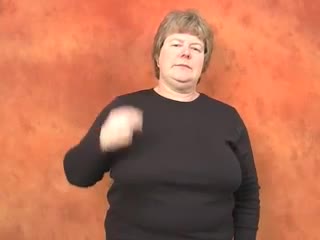
The BSL sign for clay brick is wonderfully direct, acting as a visual representation of the object itself. When you form this sign, you're not just abstractly naming something; you're physically outlining the solid, rectangular form of a brick, right there in the space in front of your body. It’s a foundational sign, not only because bricks are foundational to so much construction, but because its clarity helps build a strong visual vocabulary.
It's important to recognise that this sign specifically refers to a "clay brick" – the kind traditionally used in British architecture, often reddish-brown, with a distinct texture. The handshape and movement work together to convey both its shape and a sense of its robust, solid nature. You're showing its dimensions, not just its presence, which gives the sign a tangible quality that makes it easy for others to picture what you're talking about.
This sign carries a neutral, descriptive tone. There's no inherent emotion or complex nuance; it simply states what it is. This directness is a strength, making it clear and unambiguous in conversation, whether you’re discussing building materials, describing an old house, or even explaining a children’s story involving construction. Mastering its precise execution ensures your message is consistently understood.
When This Sign Feels Natural
You’ll find the BSL sign for clay brick feels most natural when you need to specify the material of a building block. If you're discussing the renovation of an old Victorian house, for instance, or planning a garden wall where the specific aesthetic of traditional bricks matters, this sign is your go-to. It distinguishes itself from more general signs for 'block' or 'stone' by highlighting the unique properties of a clay brick.
This sign fits perfectly into conversations about construction, architecture, or even DIY projects. Imagine explaining to a Deaf friend that you're going to build a BBQ pit using specific type of bricks – this sign immediately provides that crucial detail. It's also appropriate when telling stories or describing scenes where the material of a structure is a key visual element, allowing you to paint a clearer picture for your audience.
While precise, it’s a sign you can use in both formal and informal registers. There’s no need to search for a more 'polite' or 'casual' alternative; its function is purely descriptive. However, if the material isn't important and you simply mean any generic building block, you might opt for a more general sign or description. But when the specific "clay brick" identity is key, this sign communicates that distinction clearly and efficiently to your audience.
What Learners Usually Miss
One common area where learners sometimes falter with the BSL sign for clay brick is in the precision of the handshape and movement. People often miss the subtlety of having both hands flat with fingers together and the thumb tucked alongside. Instead, you might see slightly splayed fingers, or thumbs not quite tucked, which can unintentionally soften the hard edges of the brick you're trying to represent. This can lead to a less defined shape, making it potentially confused with other flat, rectangular items, or simply less impactful.
Another frequent oversight relates to the movement itself: defining the *rectangular* shape. It's not just about bringing your hands together; it's about tracing or outlining the distinct faces and edges of a brick in the air. Learners might rush the movement or make it too vague, resulting in a general 'block' shape rather than the specific dimensions of a clay brick. Remember that the movement should convey the object's solidity and defined form, not just its general presence.
To correct these, focus on meticulous hand preparation. Before you even start the movement, ensure your hands are perfectly flat, fingers aligned, and thumbs securely tucked. Then, as you move your hands together in front of your chest/waist, really think about outlining a precise rectangle. Imagine you're drawing the brick's main face with your hands, ensuring the path is clear and the 'corners' are distinct. This deliberate attention to detail will elevate your signing from merely hinting at a brick to clearly presenting its form.
A Simple Way to Remember It
The BSL sign for clay brick is quite iconic, making it easy to remember by connecting its form directly to the object it represents. Think of your hands as becoming the very sides of the brick, ready to join with others to build something sturdy. It’s like you're holding an imaginary brick right there, showing its dimensions and solidity.
- The "Solid Block" Handshape: Imagine your flat, joined hands are the smooth, unyielding faces of a brick, ready to be stacked. The tucked thumb reinforces the idea of a solid, single unit.
- "Outlining the Form": The movement of your hands coming together isn't just a gesture; it's like you're visually tracing the rectangular perimeter of a brick in the air, defining its exact size and shape.
- "Building from the Ground Up": Signing it around chest/waist height connects to where a wall would start to be built, grounding the sign in a practical, construction-based context.
Short Practice Situations
- We need to order more clay bricks to finish the new patio wall before the weekend.
- The builder explained they'd use reclaimed clay bricks for a traditional look on the extension.
- Look at that old chimney; it's built entirely from beautiful, weathered clay bricks.
- Could you describe the typical size and weight of a standard clay brick for me?
Signs to Learn Next
- BUILD: Once you can sign "clay brick," it's natural to learn how to sign "BUILD," as bricks are a fundamental component of construction.
- WALL: Bricks are often used to create walls, so learning the sign for "WALL" is a logical next step to describe what bricks become.
- HOUSE: Following on from walls, learning "HOUSE" allows you to talk about the larger structures that are often built from clay bricks.
- STONE: This sign helps expand your vocabulary for building materials, offering a contrast to the specific "clay brick" and enabling discussions about different types of construction.
- BRICKLAYER: Understanding how to refer to the person who works with bricks will connect the material to the skilled trade.