Speed
0
Practice reps times watched

Create a free account to keep your watch history and review plan.

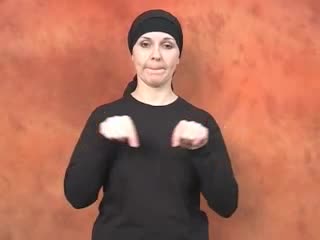
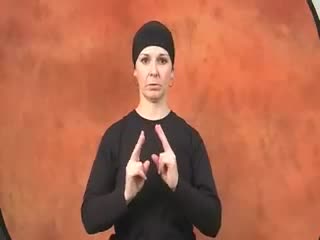
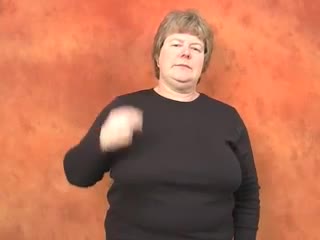
Best practice Use mirror mode, then watch the frame breakdown below to catch the start, movement, and finish cleanly.
Video via SpreadTheSign  - Free educational resource BSL
Updated April 20, 2026
🌱 Level 1 BSL Starter
🔥 0d +0 XP
0 XP 50 XP to Level 2
British Sign Language (BSL) 🟢 Beginner 📊 B1 ⚡ Uncommon Noun

wood-wool

Fine wood shavings used for packing fragile items or for insulation

Source-linked video Step-by-step guide Context and safety notes
Synonyms
Excelsior wood shavings packing material
Antonyms
N/A
Difficulty
Not rated yet

Create a free account to save this sign, keep your watch history, and unlock a one-note journal preview.

How to sign it
Handshape
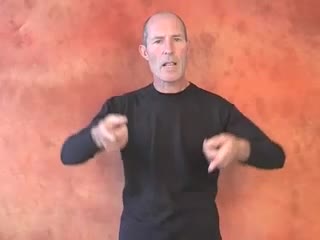
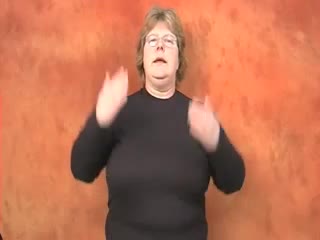
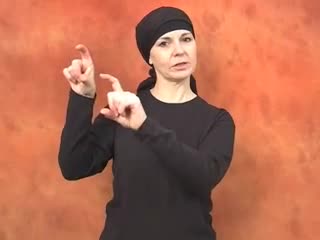
Both hands open, slightly cupped, fingers relaxed and spread
Location
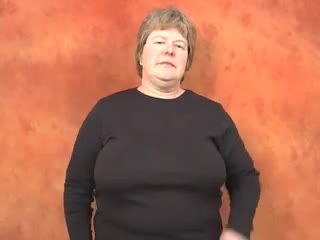
Mid-chest to waist height, in front of the body
Movement
Repetitive scrunching and expanding motion of fingers
Palm Orientation
Palms face each other, slightly upward
Facial Expression
Neutral
Review mode

Remember this sign faster

Free account
0 Queued
0 Due now
0 This week

Create a free account to save this sign and keep your first review preview. Upgrade when you want full spaced repetition, saved notes, and compare mode.

  • Save this sign to a comeback list you can actually revise from.
  • Keep private journal notes and memory tricks beside each sign.
  • Practice hard signs more often and easy ones less often.
  • Compare similar signs side by side instead of guessing.

Membership sits underneath the learning tools, not in front of them. Free gets you started. Paid turns your saved signs into a real long-term revision system.

Your Progress Live tracking
This sign Not learned yet
0 watches
How well do you know this sign?
0 Signs seen
0 Learned
0 All Sign Watches
0 Day streak

Watch signs to see your history here

Tracking locally for now. Create a free account to save your progress, your first journal note, and this sign.
Free gets you started. Paid adds the repeat-learning layer: review queues, deeper notes, compare mode, and better comeback tools.
My Sign Journal
Personal notes, saved to your account forever
Locked

Write memory tricks, usage examples, and cultural reminders beside each sign. Create a free account to unlock your first saved note preview on this page.

Create free account Already have an account? Log in

What This Sign Means in BSL

The BSL sign for wood-wool is wonderfully descriptive, immediately bringing to mind the material itself. It's a noun sign, referring to those fine, curly strands of wood used often in packaging, for animal bedding, or even in some crafting and insulation. When you see this sign, you're not just learning a word; you're visually experiencing the texture and common handling of wood-wool.

The core meaning here isn't abstract; it's tangible. Imagine reaching into a box filled with wood-wool and gently scrunching it, feeling its springiness and fibrous nature. That's precisely the visual representation you're creating. It’s a very direct and concrete sign, making it relatively easy to grasp once you connect the movement to the physical properties of the material.

This sign stands out because it's so tactile. Unlike many signs that might represent an object's outline or function, "wood-wool" focuses on its unique consistency – how it compresses and expands. It’s a great example of BSL's ability to convey complex material properties through simple, intuitive movements, reflecting how we interact with the world around us.

When This Sign Feels Natural

You'll find yourself using the BSL sign for wood-wool most naturally in situations where this specific material is being discussed. Think about practical contexts: describing packaging for delicate items, explaining the contents of a gift hamper, discussing options for pet bedding, or perhaps talking about traditional craft materials. It's quite a specific sign, so its usage will align with those particular scenarios.

In terms of register, it’s a standard, neutral sign, fitting comfortably in everyday conversations as well as more technical discussions about materials. You wouldn't typically use it metaphorically; it consistently refers to the physical product. Your audience will expect this literal interpretation, so there's little room for misunderstanding when the context is clear.

However, if you're talking about generic "packaging material" or "stuffing," you might opt for broader signs like PACKING or FILLER, depending on the exact material being referred to. The BSL sign for wood-wool is reserved for that distinct, fibrous, wooden product. Choosing this sign tells your conversation partner exactly what material you mean, without ambiguity, which is crucial for precise communication.

What Learners Usually Miss

One common area where learners sometimes slightly miss the mark with the BSL sign for wood-wool is in the *quality* of the movement. It's not just a simple open-and-close; it's a repetitive, gentle scrunching and expanding, as if you're really feeling the spring and give of the material. The fingers should remain relaxed and slightly spread, mirroring the loose, individual strands rather than clenching into a tight fist or flapping rigidly. Think about the soft, yielding resistance of wood-wool, and let your hands embody that.

Another subtle point is the simultaneous action of both hands. They should mirror each other, working together to convey the bulk of the material. Sometimes learners might lead with one hand or make the movements slightly out of sync. Practising both hands moving together, starting with a slightly cupped, open position and then gently scrunching inwards before expanding back, will help you achieve the authentic rhythm and flow of the sign. It’s about creating a harmonious visual representation of the material’s volume and texture.

Finally, pay attention to the location and scale. The movement should be comfortably in front of your body, around mid-chest to waist height. Avoid making the movement too small, as if you're holding a tiny pinch, or too expansive, as if you're trying to encompass a huge bale. It's generally a mid-sized, natural handling motion, reflecting a manageable amount of wood-wool. Keeping these details in mind will help your sign look natural and clear to native BSL users.

A Simple Way to Remember It

To really cement the BSL sign for wood-wool in your memory, think about the unique texture and properties of the material itself. The sign beautifully mimics the physical interaction you'd have with wood-wool, making it a very intuitive one to recall.

  • Mimic the Material: Imagine you're holding a handful of wood-wool. Your hands naturally open to receive it, then gently scrunch and release as you feel its springy, fibrous texture. The sign is this action.
  • Focus on Flexibility: Wood-wool is flexible and compressible. Let your hands reflect this by keeping fingers relaxed and the movement fluid, demonstrating how it squishes down and then bounces back.
  • Visualise its Use: Picture wood-wool cushioning something fragile in a box. The repetitive scrunching motion helps you visualise the material being nestled around an object, providing protection.

Short Practice Situations

  • "I need to buy some wood-wool to pack these glass ornaments for shipping."
  • "My hamster loves making a cosy bed out of fresh wood-wool; it's great for burrowing."
  • "For the school's craft project, we used lots of wood-wool to create rustic decorations."
  • "The antique dealer always uses wood-wool in his boxes to protect delicate pottery during transit."
  • "Can you grab that bag of wood-wool from the shed? We need it for the new rabbit hutch."

Signs to Learn Next

  • PACKING / PACKAGE: Often, wood-wool is used for packing, so learning the sign for PACKING or PACKAGE will help you discuss its practical application in context.
  • BOX: Since wood-wool is frequently found inside boxes, knowing the sign for BOX creates a natural pairing and allows you to describe where it's contained.
  • FRAGILE: Items packed with wood-wool are typically delicate. Learning the sign for FRAGILE enables you to explain *why* wood-wool is being used.
  • STRAW: This is another natural, fibrous material with similar uses (bedding, rustic decor). Comparing the sign for STRAW will highlight the unique distinctions in handshape and movement for different textures.
  • WOOL (animal wool): While the English word shares "wool," the BSL sign for WOOL (referring to sheep's wool or fabric) is visually very different. Learning it helps you avoid confusion and appreciate how BSL distinguishes between materials with similar names but different properties.


🤖 AI Learning Guide for "wood-wool"

This iconic sign visually represents the material's texture and how it's handled. Both hands mimic scrunching and expanding the fibrous wood

🎯 Practice Challenge

Practice the repetitive hand motion to convey texture

⚠️ Most Common Mistake

Ensure both hands move symmetrically with open, cupped fingers. Focus on the scrunching and expanding action

👐 How to Sign "wood-wool" in British Sign Language (BSL) (Quick Answer)

Follow these steps to sign wood-wool correctly in British Sign Language (BSL):

  1. 1 Form both hands open, slightly cupped
  2. 2 Place hands mid-chest to waist height, palms facing
  3. 3 Repetitively scrunch fingers inward and expand outward
  4. 4 Maintain a relaxed, spread finger posture

Tip: Watch the video above while following these steps for best results.

🤚 Sign Profile

🤚
Handshape
Both hands open, slightly cupped, fingers relaxed and spread
🔣
Handshape Code
BSL 5-Curved
Dominant Hand
Either
🙌
Hand Count
Two-handed
📍
Location
Mid-chest to waist height, in front of the body
↗️
Movement
Repetitive scrunching and expanding motion of fingers
🔄
Movement Type
Repeated
👆
Contact
Air
👋
Palm Orientation
Palms face each other, slightly upward
⚖️
Symmetry
Symmetric

😊 Non-Manual Features

Facial expressions and body language are grammatically essential in British Sign Language (BSL) - not optional!

😊
Facial Expression
Neutral
🙆
Eyebrows
Neutral
👁️
Eye Gaze
At referent
🙂
Head Movement
None
👄
Mouth Morpheme
Neutral
🕴️
Body Shift
None

📖 Grammar & Linguistics

Part of Speech Noun
Inflection No
Classifier Usage N/A
Role Shift No

🎓 Learning Context

📌 When to Use: Describing packing materials, crafts, or insulation
⚠️ Common Mistake: Not clearly showing the repetitive, scrunching motion
🚫 When NOT to Use: When a specific, different packing material is intended
Context Tags
Materials packing craft insulation

🧪 Practice Lab

Use these tiny checks right after watching the video. Fast feedback is what turns recognition into recall.

Meaning check

Which word matches the sign you just watched?

Usage check

Where would this sign fit most naturally?

Confidence check

How do you feel about wood-wool right now?

Pick one so SignDeaf can shape the rest of your session around how this sign actually feels.

🧭 Scenario Drill

One sign gets remembered faster when you attach it to real situations. Try these quick scene prompts.

Work

Stretch practice

Use this sign in a short workplace sentence or meeting exchange.

Family

Stretch practice

Try signing this while talking about family life or something at home.

School

Stretch practice

Imagine teaching this sign to a classmate or using it in a lesson.

Doctor

Stretch practice

Practise it in a healthcare conversation where clarity matters.

Travel

Stretch practice

Use it in a travel scenario like asking for help or directions.

💬 Example Usage

1.[en] Wood-wool for packing. / BSL:[Sign WOOD-WOOL followed by PACKING] | 2.[en] Soft wood-wool. / BSL:[Sign SOFT followed by WOOD-WOOL] | 3.[en] Use wood-wool. / BSL:[Sign USE then WOOD-WOOL]

1.[en] Wood-wool for packing. / BSL:[Sign WOOD-WOOL followed by PACKING] | 2.[en] Soft wood-wool. / BSL:[Sign SOFT followed by WOOD-WOOL] | 3.[en] Use wood-wool. / BSL:[Sign USE then WOOD-WOOL]

When to use it

Describing packing materials, crafts, or insulation

When not to use it

When a specific, different packing material is intended

Register

Neutral

🌍 Cultural Context

N/A

🗺️ Regional Variations

No significant variation recorded

⚖️ Similar Signs - What's the Difference?

Understanding when to use wood-wool vs. related signs helps avoid common mix-ups.

The sign for WOOD-WOOL uses open, slightly cupped hands with a repetitive scrunching motion, mimicking the fibrous material. COTTON WOOL often uses a similar scrunching but with more closed, rounded 'O' hands to show softness and fluffiness. SHREDDED PAPER might involve more linear, tearing motions with 'G' or 'F' hands
tunnel sign thumbnail

tunnel

Beginner

A sign representing a passage, typically underground or through an obstacle

Compare with tunnel →

📝 Usage Notes

The sign visually mimics the texture and handling of the material

Frequently Asked Questions

Common questions about the British Sign Language (BSL) sign for "wood-wool".

🏷️ Tags

Handshape

Keywords

💡
Did you know?
BSL uses a two-handed manual alphabet - different from ASL which is one-handed.

📚 Explore More British Sign Language (BSL) Signs

Keep building your British Sign Language (BSL) vocabulary - explore signs by category or browse the full dictionary.