What Is the BSL Sign for "weight"?
Welcome to SignDeaf.com, your go-to resource for mastering British Sign Language! Today, we're diving into the essential BSL sign for "weight." This fundamental noun is crucial for discussing everything from personal health to shopping, and understanding how to sign weight in BSL will significantly enhance your communication with the Deaf community. Whether you're Deaf yourself, a beginner learning BSL, or an experienced signer, mastering the British Sign Language weight sign will open up new avenues for expressing concepts of measurement, mass, and heaviness. Get ready to learn weight BSL with our comprehensive guide!
How to Sign "weight" in British Sign Language - Step-by-Step Guide
Learning the BSL sign for "weight" is straightforward when broken down into these clear steps, ensuring you can accurately convey this important concept in British Sign Language.
Step 1: Handshape
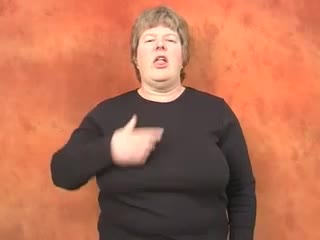
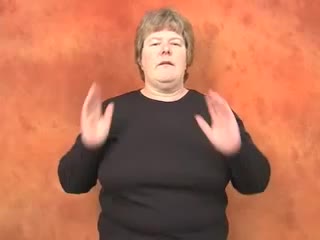
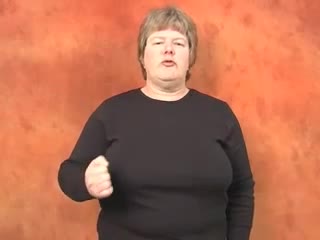
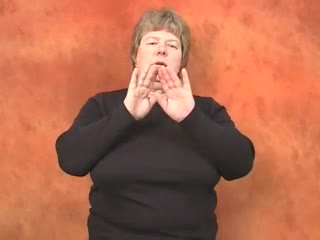
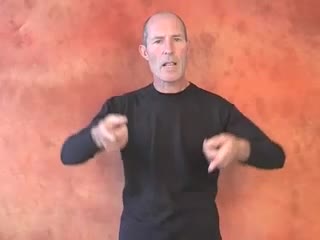
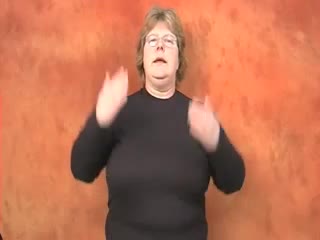
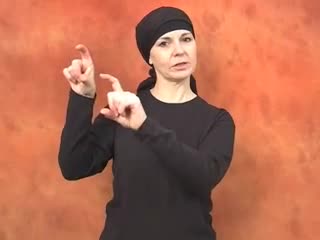
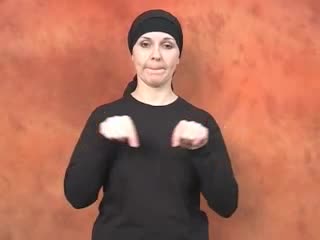
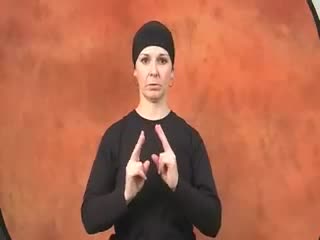
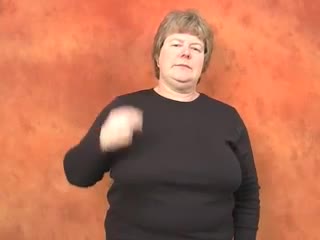
For the BSL sign for "weight" (referring to mass or heaviness, like on a scale), both your dominant and non-dominant hands will be actively involved. Each hand should form a slightly flattened 'O' or 'C' handshape. To achieve this, gently curve all your fingers and thumb together, keeping them close but not tightly pinched. Imagine you are lightly cupping something in the palm of each hand, or that your hands are the pans of a traditional weighing scale. Ensure your fingers are together, not spread apart, and maintain a relaxed but firm curve.
Step 2: Hand Position and Location
Position both hands in front of your body, roughly at chest height and about shoulder-width apart. Your dominant hand will be on one side (e.g., your right hand if you are right-handed) and your non-dominant hand on the other. Both palms should initially face downwards or slightly towards each other, with your wrists relatively straight. This neutral starting position prepares your hands to mimic the action of balancing scales.
Step 3: Movement
The movement for the BSL weight sign is dynamic and iconic, representing the action of a traditional balance scale. Starting from the neutral position, move your dominant hand downwards slightly, while simultaneously moving your non-dominant hand upwards slightly. Then, reverse the movement: bring your dominant hand back up while moving your non-dominant hand downwards. This alternating up-and-down motion, mimicking the seesaw action of a balance, is repeated two to three times. The movement should be smooth and controlled, not jerky, to clearly convey the concept of measuring or balancing weight.
Step 4: Non-Manual Features (Facial Expression & Mouthing)
Non-manual features (NMFs) are essential in BSL, providing grammatical information and emotional nuance. For the BSL sign for "weight," your facial expression will typically be neutral if simply stating a weight. However, if you are asking "What is the weight?" you might raise your eyebrows slightly and tilt your head forward, indicative of a question. Mouthing the word "weight" (or a similar approximation) is also common and helps to clarify the sign, especially for new learners or in ambiguous contexts. Always remember that NMFs are not optional; they are integral to BSL grammar and meaning.
Step 5: Palm Orientation
Throughout the alternating movement, the palm orientation of both hands will primarily remain facing downwards or slightly towards each other, as if holding the pans of a scale. As one hand moves down, its palm might orient a little more downwards, and as the other moves up, its palm might slightly orient more upwards, but the general direction remains consistent, reflecting the flat surface of a scale pan.
Quick Reference: "weight" BSL Sign at a Glance
- Handshape: Both hands form a flattened 'O' or 'C' shape, fingers gently curved and together.
- Location: Both hands are positioned in front of the chest, about shoulder-width apart.
- Movement: Hands move alternately up and down, mimicking balancing scales, repeated 2-3 times.
- Facial Expression: Neutral for statement; raised eyebrows/head tilt for a question.
- Dominant Hand: Both hands are used equally in an alternating motion.
5 Tips to Learn the BSL Sign for "weight" Quickly
- Visualise a Balance Scale: The BSL sign for "weight" is highly iconic. Imagine an old-fashioned balance scale with two pans. One hand represents one pan, the other hand the second. As you practice the alternating up-and-down movement, truly picture the scales tipping and balancing. This strong visual link will cement the sign in your memory.
- Focus on Handshape Precision: Many BSL signs rely on subtle handshape differences. For "weight," ensure your fingers are curved and together, forming that gentle 'C' or flattened 'O'. If your fingers are spread or too straight, it might be confused with other signs. Consistent practice of the correct handshape will build muscle memory.
- Practice the Alternating Movement Rhythmically: The movement is key to conveying "weight." Try practicing the alternating up-and-down motion with a steady, rhythmic pace. You can even say "up, down, up, down" quietly to yourself as you sign to help synchronise the movement and make it fluid and natural.
- Integrate Non-Manual Features Early On: Don't just focus on your hands. From your very first practice, try to incorporate the correct facial expressions and mouthing for "weight." This not only makes your signing grammatically correct but also helps reinforce the meaning and context of the sign in your mind.
- Connect to Real-Life Scenarios: Think about when you'd use the word "weight" in daily life. Are you discussing the weight of groceries, a person's weight, or the weight of a package? Practice signing "weight" within these imagined sentences. This contextual practice helps you remember the sign and understand its practical application, aiding in long-term retention of this British Sign Language weight sign.
When and How to Use the BSL Sign for "weight"
The BSL sign for "weight" is versatile and used in various everyday contexts, especially when discussing mass, heaviness, or measurement. Understanding its application is crucial for effective communication.
- Discussing Personal Weight: You might use this sign when talking about body weight, for instance, in health discussions or when asking someone's weight (e.g., "YOUR WEIGHT HOW MUCH?"). The sign remains the same, but the non-manual features (raised eyebrows) convey the question.
- Shopping and Groceries: When buying produce or packaged goods, you might use the sign for "weight" to ask about the weight of an item (e.g., "APPLES WEIGHT HOW MUCH?") or to indicate a specific weight you desire (e.g., "CHEESE WEIGHT 500 GRAMS").
- Shipping and Postal Services: If you're sending a parcel, you'd use this sign to inquire about or state the package's weight. For example, "PARCEL WEIGHT WHAT?" or "PARCEL WEIGHT 2 KILOS."
- General Heaviness or Lightness: While "heavy" and "light" have their own specific signs, the general concept of "weight" underpins these. You might use the "weight" sign to set the context before specifying if something is heavy or light, or to refer to the abstract concept of mass.
Grammatically in BSL, "weight" as a noun often appears after the topic or object it refers to, following a Topic-Comment structure. For example, "BAG WEIGHT HOW MUCH?" (Bag, weight, how much?) is a common BSL sentence structure.
Common Mistakes When Signing "weight" in BSL - And How to Fix Them
Learning any new sign can come with initial challenges, and the BSL sign for "weight" is no exception. Here are three common mistakes beginners make and how to correct them with encouraging guidance.
-
Mistake: Using only one hand or incorrect handshape.
Description: A common error is attempting to sign "weight" with just one hand, or using a handshape that is too flat, too open, or has splayed fingers, rather than the specified slightly curved 'O' or 'C' shape. This can make the sign unclear or even resemble a different sign entirely.
Correction: Remember that "weight" is a two-handed, symmetrical sign, strongly iconic of balance scales. Consciously engage both hands, ensuring they mirror each other in the correct flattened 'O' or 'C' handshape. Practice in front of a mirror, focusing on forming that gentle curve with all fingers and thumb held together, making sure both hands are identical before moving into the alternating motion.
-
Mistake: Incorrect or jerky movement.
Description: Instead of a smooth, alternating up-and-down motion, some learners might make the movement too stiff, too fast, or move both hands simultaneously in the same direction. This can lose the visual metaphor of the balancing scales, making the sign less clear.
Correction: Focus on the fluidity and alternating nature of the movement. Imagine the gentle, continuous sway of a traditional balance scale. Practice slowly, consciously bringing one hand down as the other rises, then reversing. Gradually increase your speed as you gain confidence and muscle memory, aiming for a smooth, rhythmic action. Think "seesaw" or "teeter-totter" to help visualise the correct motion.
-
Mistake: Neglecting Non-Manual Features (NMFs).
Description: Often, beginners focus so much on the hand movements that they forget the crucial role of facial expression and mouthing. Signing "weight" with a blank expression, especially when asking a question, removes vital grammatical information and can make your communication ambiguous.
Correction: Make NMFs an integral part of your practice from day one. When asking "What is the weight?", consciously raise your eyebrows and tilt your head slightly forward. When stating a weight, maintain a neutral expression. Always try to mouth the word "weight" naturally as you sign. Integrating NMFs not only improves clarity but also helps you think in BSL's holistic grammatical structure, transforming your signing from just hand gestures to full communication.
"weight" in BSL - Fun Facts and History
The BSL sign for "weight" carries a fascinating blend of iconicity and cultural nuance that makes it a joy to learn.
- Iconic Origins: The sign for "weight" is a beautiful example of iconicity in BSL. It directly mimics the action of an old-fashioned balance scale, where two pans move up and down in equilibrium. This visual representation makes the sign incredibly intuitive and easy to understand, even for those new to BSL.
- Consistency Across the UK: Unlike some BSL signs that can have significant regional variations, the core BSL sign for "weight" (referring to mass or the act of weighing on a scale) is remarkably consistent across different regions of the UK. This means once you learn this sign, you can confidently use it whether you're in London, Manchester, or Glasgow.
- Differentiation from "Heavy" and "Light": While "weight" refers to the general concept of mass or measurement, BSL has distinct signs for "heavy" (often a single dominant hand, curved '5' handshape, moving downwards with effort) and "light" (often a '5' handshape moving upwards easily). Learning the BSL sign for weight helps you understand the foundational concept before expanding to these related adjectives.
- Connection to Numerical Contexts: The sign for "weight" frequently appears alongside numbers and classifiers to specify actual measurements (e.g., "5 KILOS WEIGHT"). This highlights its practical application in daily life and its role in forming precise BSL sentences involving quantities.
- Evolution of Measurement: While the sign is iconic of traditional balance scales, it remains relevant even with modern digital scales. The core concept of "measuring mass" or "how much something weighs" transcends the specific technology, showcasing the enduring power of iconic signs in BSL.
"weight" in Deaf Culture and BSL Community
The concept of "weight" and its sign holds a practical and relatable place within Deaf culture and the BSL community. As with any language, BSL reflects the everyday needs and experiences of its users. Discussing weight can be a part of health conversations, from monitoring personal well-being to sharing fitness goals. In shopping scenarios, particularly in markets or stores, being able to clearly communicate about the weight of produce or other goods is essential for efficient transactions. Furthermore, for Deaf individuals who may not always have immediate access to spoken information, using the clear and iconic BSL sign for "weight" ensures that vital information about product quantities, package contents, or medical measurements is readily accessible and understood, fostering independence and full participation in daily life. This sign is a fundamental building block for countless practical conversations, reinforcing the interconnectedness of language and lived experience.
Example Sentences Using "weight" in BSL
Here are five practical example sentences demonstrating the BSL sign for "weight" in context, helping you understand how to sign weight in BSL in real conversational settings.
English sentence: What is the weight of this bag? - BSL structure: BAG THIS WEIGHT HOW-MUCH? (Topic-comment, "weight" followed by question sign for "how much", with raised eyebrows).
English sentence: My weight has increased recently. - BSL structure: MY WEIGHT INCREASE RECENTLY. (Simple subject-verb-object structure, "weight" followed by the sign for increase).
English sentence: Can you tell me the exact weight of these apples? - BSL structure: APPLES THESE WEIGHT EXACT CAN YOU-TELL-ME? (Topic "apples these", "weight exact" as comment, followed by a polite request, with questioning NMFs).
English sentence: The doctor asked about my baby's birth weight. - BSL structure: DOCTOR ASK MY BABY BORN WEIGHT. ("Baby born" acts as a compound noun for birth, followed by "weight").
English sentence: I need to lose some weight for my health. - BSL structure: MY HEALTH, I NEED WEIGHT LOSE SOME. (Topic "my health", then a statement of need, "weight lose some" referring to a reduction in weight).
Frequently Asked Questions About the BSL Sign for "weight"
Is this sign the same everywhere in the UK?
Yes, the BSL sign for "weight" (referring to mass or measurement) is largely consistent and widely understood across all regions of the UK. While some BSL signs do have regional variations, this particular sign, due to its strong iconic representation of balance scales, maintains a high degree of uniformity from Scotland to the South of England, making it a reliable sign to learn.
How is this sign different from similar signs?
The sign for "weight" is distinct from "heavy" and "light." "Heavy" typically uses a single dominant hand moving downwards with effort, while "light" uses a dominant hand moving upwards easily. "Weight" is unique because it uses both hands in an alternating, scale-like motion, specifically conveying the concept of measurement or mass, rather than just the qualitative state of being heavy or light.
Is this suitable for beginners?
Absolutely! The BSL sign for "weight" is an excellent sign for beginners. Its iconic nature makes it intuitive and easy to grasp, and it's a very practical sign that comes up frequently in everyday conversations. Mastering this sign early on will build your confidence and provide a strong foundation for learning more complex BSL vocabulary.
Can I use this sign with Deaf children?
Yes, this sign is perfectly suitable for use with Deaf children. Its clear visual representation of scales makes it easy for children to understand and mimic. Introducing "weight" early on can help children develop their vocabulary related to measurement, science, and daily interactions, making it a valuable sign in a child's BSL learning journey.
Where can I practise this sign?
You can practice the BSL sign for "weight" in many places! Start by practising in front of a mirror, then try filming yourself to check your form. Join local Deaf clubs or BSL practice groups, as interacting with Deaf people and other learners is invaluable. You can also integrate it into your daily thoughts, mentally signing it when you encounter the concept of weight, like when picking up groceries or discussing health.
Related BSL Signs to Learn Alongside "weight"
To truly build fluency and a robust vocabulary around concepts of measurement and quantity, learning the BSL sign for "weight" is best complemented by a few related signs. These signs form a natural cluster, allowing you to discuss a wider range of ideas.
- HEAVY: This sign uses a dominant hand with a curved '5' handshape moving downwards, conveying effort. Learning it alongside "weight" helps you differentiate between the general concept of mass and the *quality* of being heavy.
- LIGHT (not heavy): Often signed with a dominant '5' handshape moving upwards with ease. This sign provides the opposite qualitative comparison to "heavy" and reinforces the context of "weight."
- MEASURE: Typically involves two 'I' handshapes (pinky fingers extended) moving towards each other, or other handshapes indicating length. Learning "measure" provides a broader context for how quantities are assessed, relating directly to "weight" as a form of measurement.
- HOW MUCH / HOW MANY: This question sign (often two 'S' handshapes rotating outwards from the chest) is frequently used in conjunction with "weight" to ask about specific quantities (e.g., "WEIGHT HOW MUCH?").
- KILOGRAM / GRAM: While BSL often fingerspells units of measurement, there are also common signs or classifiers used with numbers to indicate "kilo" or "gram." Learning these will allow you to state specific weights after using the BSL sign for "weight."
- SCALE: While the sign for "weight" is iconic of scales, there might be a more specific sign for the physical object "scale" (e.g., a platform scale or weighing machine). Learning this broadens your vocabulary beyond the action.
How to Practise the BSL Sign for "weight" Effectively
Consistent and varied practice is key to mastering the BSL sign for "weight" and making it a natural part of your British Sign Language vocabulary. Start by practicing in front of a mirror, paying close attention to your handshape, the symmetrical alternating movement, and your non-manual features; ensure your hands are mirroring the action of balance scales. Next, film yourself signing "weight" and watch it back – this is an invaluable tool for self-correction and spotting areas for improvement that you might miss in real-time. Crucially, seek opportunities to practice with Deaf individuals or experienced BSL signers; their feedback is gold for refining your technique. Try to use the sign in full sentences, integrating it into conversational contexts, rather than just signing it in isolation. Finally, daily repetition, even just for a few minutes, will build muscle memory and reinforce your understanding, making the learn weight BSL journey smooth and successful.