What This Sign Means in BSL
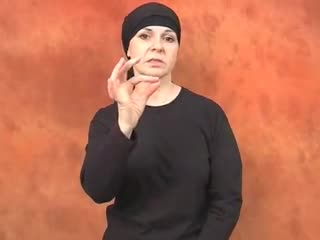
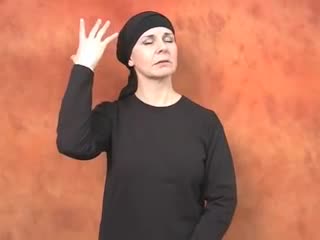
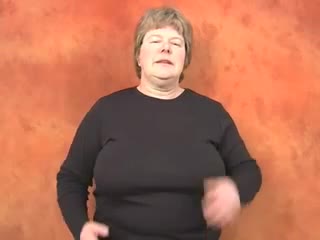
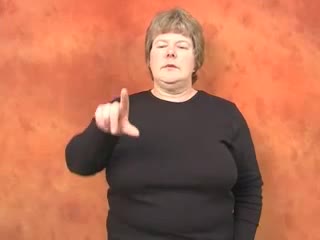
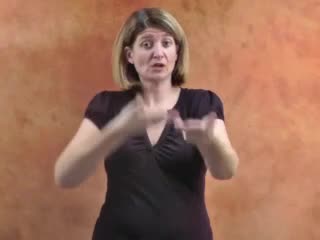
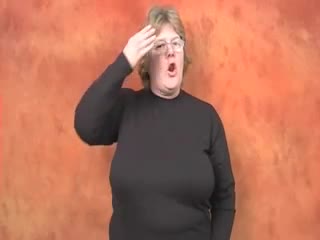
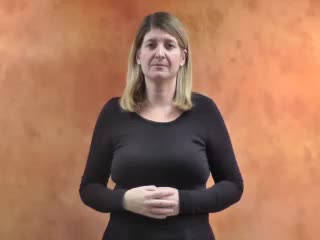
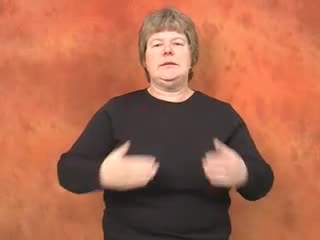
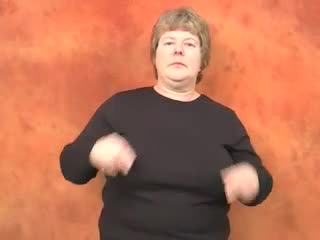
The BSL sign for write is beautifully direct, mirroring the physical action of putting pen to paper. It’s a foundational sign, often one of the first many learners grasp because its meaning is so visually apparent. At its core, this sign represents the act of creating text, whether it's words, numbers, or symbols, using a writing implement.
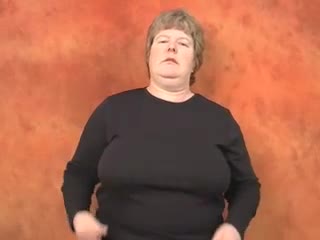
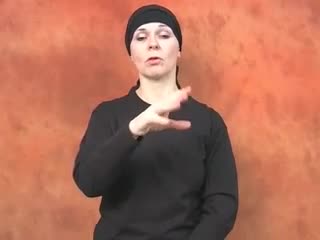
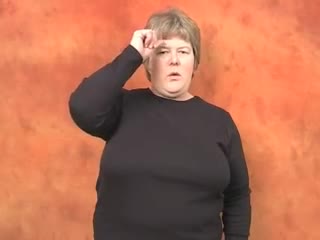
You'll notice its iconic nature immediately: your dominant hand acts as the "pen," and your non-dominant hand serves as the "paper." This direct representation makes it incredibly intuitive, allowing for quick comprehension in conversations about anything from taking notes to composing a story. It’s a sign that grounds abstract ideas of communication into a concrete, visible action.
This sign is versatile, covering a broad range of writing tasks. It’s not just about forming letters; it implies the entire process of forming thoughts and translating them into a written format. Understanding this core meaning helps you appreciate its simplicity and effectiveness within BSL communication.
When This Sign Feels Natural
This sign feels most natural in everyday contexts where the physical act of writing is central to the conversation. You’ll use it when you're asking someone to jot something down, discussing homework, planning a shopping list, or talking about sending a letter. For example, if you want to ask, "Can you write that down for me?" or state, "I need to write a report," this is the sign you'll reach for.
It’s important to remember that this sign specifically refers to the act of writing by hand or with an implement that mimics it. If you're talking about typing on a keyboard or phone, you’d typically use the BSL sign for TYPE. However, if the *outcome* is written material, and the *method* isn't crucial, "write" can still be used as a general term for composition, especially in less formal settings.
Consider your audience and the specific context. When chatting informally with a friend about creative writing, "write" is perfect. If you’re in a formal meeting discussing "drafting a document" on a computer, you might use "type" or even a more conceptual sign for "compose," depending on the nuance. Always let the literal action and the desired emphasis guide your choice.
What Learners Usually Miss
One common oversight for learners is the precise formation and movement of the dominant hand. Remember, your dominant hand forms a G-hand, with the index finger extended straight. It's easy to accidentally let other fingers drift or to make a looser "claw" shape, which can lead to confusion with other signs. Focus on keeping that index finger pointed and firm, acting truly like a pen tip.
Another subtle point is the quality of the movement. The dominant index finger should move in small, repeated linear strokes across the non-dominant palm, mimicking the flow of writing. Learners sometimes make the strokes too large, too rigid, or too quick. Think of the natural, slightly fluid motion of someone writing. It’s not a single tap or a large sweep, but a series of controlled, small movements. This repeated action is key to conveying the continuous nature of writing.
Finally, pay attention to the role of your non-dominant hand: it must be a flat B-hand, palm up, providing a stable "surface." Some learners might hold it too loosely, or angle it incorrectly. Ensure it's flat and ready to receive the "writing." For most right-handed signers, the movement naturally goes from left to right across the palm, reflecting typical writing direction. While left-handed signers may mirror this, the standard presentation for "write" maintains this left-to-right motion on the non-dominant palm, making it universally recognisable.
A Simple Way to Remember It
The BSL sign for write is highly iconic, meaning it looks like what it means. You can easily remember it by thinking of your hands reenacting the very act of writing:
- Your dominant hand's extended index finger is the pen or pencil tip, ready to create marks.
- Your non-dominant hand, held flat and palm up, represents the piece of paper or surface you're writing on.
- The repeated, small strokes across your palm are the actual words forming as the "pen" moves across the "page."
Short Practice Situations
- "I need to write down that address before I forget it."
- "Can you write your name and number here, please?"
- "She loves to write stories in her free time."
- "Don't forget to write a thank-you note after the party."
Signs to Learn Next
- READ: This is the natural counterpart to "write," as one often follows the other. Learning "read" helps complete the communication loop.
- BOOK: Often, what we write ends up in a book, or we write things *from* a book. It’s a common contextual sign.
- PAPER: The surface upon which writing usually happens. This sign directly relates to the non-dominant hand in "write."
- TYPE: As mentioned, this is the modern alternative for creating text digitally. Knowing both allows you to specify the method of composition.
- LETTER (correspondence): A very common item that people "write." This sign connects the action to a frequently created item.