What This Sign Means in BSL
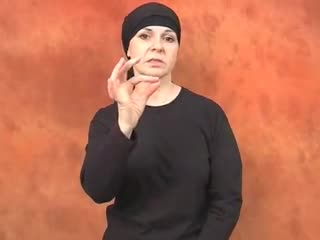
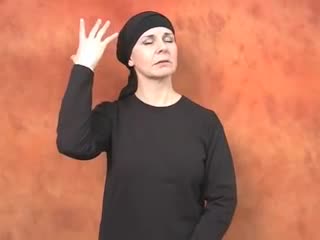
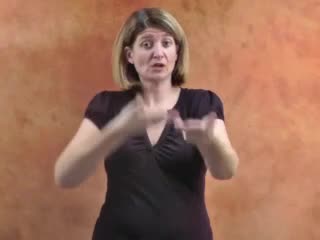
The BSL sign for provoke is a wonderfully direct and impactful verb, visually embodying the very act of stirring up trouble or inciting a reaction. When you make this sign, you're not just indicating that something happened; you're pinpointing a deliberate action taken by someone to cause a response, often an unwelcome or negative one. It's a sign that carries a strong sense of intent, implying a calculated move to disrupt peace, spark an argument, or even push someone's buttons.
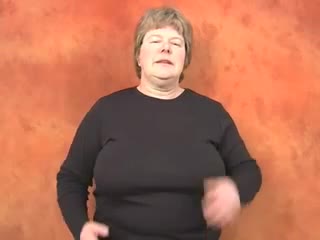
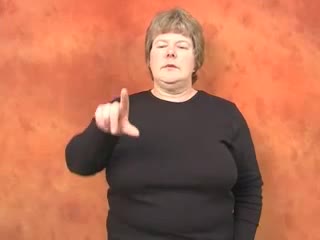
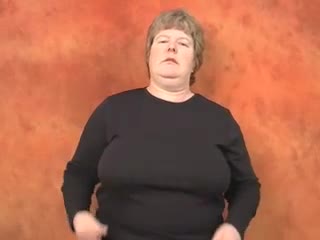
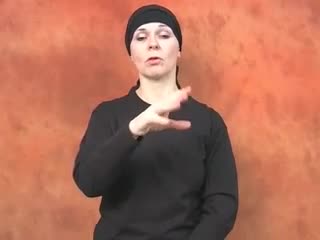
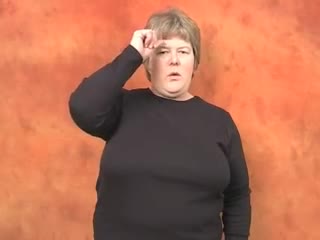
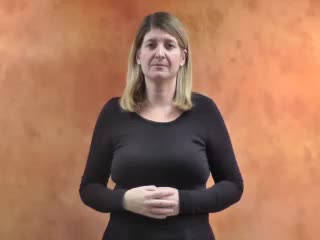
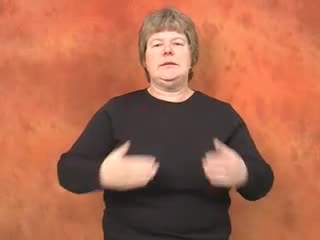
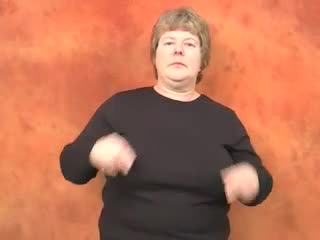
Think of it as a sharp, pointed action designed to get under someone's skin or force an issue. The handshape, a firm G-hand with the index finger extended, acts like a physical pointer, while the sharp, short forward jab or flick of the movement powerfully conveys the sudden, often irritating, nature of provocation. It's a sign that doesn't mince words; it clearly states that someone is actively trying to rouse a specific feeling or behaviour from another, often leading to conflict or strong emotions.
What makes this sign particularly noticeable is its active and often confrontational energy. Unlike more neutral verbs of causation, "provoke" in BSL immediately communicates a sense of stirring, prodding, or challenging. It’s a sign that demands attention, reflecting the disruptive nature of the action it describes. Learning this sign well means grasping not just its dictionary definition, but the underlying intention and the potential for friction that it represents within a conversation.
When This Sign Feels Natural
You’ll find the BSL sign for provoke feels most natural in situations where a person or an action deliberately incites a strong emotional or physical reaction. Imagine observing a sibling argument where one child is consciously winding up the other, perhaps with persistent teasing that crosses a line. That deliberate act of 'winding up' or 'pushing boundaries' is precisely when this sign comes into its own. It’s ideal for describing someone intentionally creating conflict or stirring up a situation.
This sign sits comfortably in a range of registers, from serious discussions about incitement to violence, to slightly lighter, though still negative, contexts like describing someone who frequently causes minor annoyances. For instance, you might use it to talk about a politician whose controversial statements are designed to provoke a public outcry, or a mischievous friend who loves to provoke playful, yet sometimes exasperated, reactions from others. The key is always the underlying intent to agitate or stimulate a response.
Consider using this sign when you need to convey that a situation didn't just happen, but was actively brought about by someone’s deliberate action to cause trouble or a specific reaction. If the intent isn't negative, or if you're talking about encouraging someone in a positive way, you'd likely choose a different sign. "Provoke" is about the spark that ignites a potentially difficult or unwanted situation, making it a powerful tool for narrating conflicts, describing frustrating behaviours, or even warning others about potential instigators.
What Learners Usually Miss
One common subtlety learners often overlook with the BSL sign for provoke is the precise handshape and its firmness. While it's described as a G-hand (index finger extended), it’s not a relaxed pointer. Instead, it should be a firm, purposeful extension of the index finger, with the other fingers lightly curled into the palm. This firmness reflects the directed, intentional nature of provocation. A limp or overly casual handshape can dilute the sign's impact, making it seem less deliberate and forceful than it truly is.
The movement itself also holds critical nuance. It's a sharp, short forward jab or flick, not a gentle push or a drawn-out motion. The brevity and force behind this movement are essential to conveying the sudden, often unwelcome, and impactful nature of being provoked. Think of it like a quick prod or a sudden spark. If the movement is too slow, too soft, or too long, it loses that immediate sense of intrusion and agitation. Practise making the movement crisp and decisive, as if you’re quickly jabbing at something to get its attention, or flicking a switch to initiate a reaction.
Furthermore, learners sometimes forget that direction and accompanying facial expression are vital for authenticity. This sign is typically directed forward, often towards the implied person or situation being provoked. Failing to direct it, or making it too generic, can make the sign less clear in context. A slight furrowed brow, a direct gaze, or even a hint of frustration or mischief in your expression will significantly enhance the sign's meaning, reflecting the emotional charge of provocation. Avoid overusing this sign as a general "cause"; remember its specific connotation of causing trouble or inciting a reaction. It's not for neutral causation but for deliberate instigation.
A Simple Way to Remember It
To help this sign stick in your memory, visualise the extended index finger as a tool for prodding or poking, deliberately aiming to get a rise out of someone or something. The sharp, brief movement then becomes the immediate, often irritating, action of that prod.
- The "Poke" Finger: Imagine your extended index finger (the G-hand) as a 'poke' finger, literally poking or prodding someone to get a reaction.
- The "Spark" Movement: Think of the sharp, short jab as the sudden spark that ignites a fire, or a quick flick that sets something off, much like how provocation suddenly ignites a response.
- Directed Intention: The forward direction of the sign helps you remember that you are sending out that troublesome energy, directly aiming to stir something up in front of you.
Short Practice Situations
- My younger sister loves to provoke our dad with silly questions just to see his amused reaction.
- Be careful not to provoke him with those comments; he has a very short temper and might lash out.
- The news article was clearly written to provoke a strong debate among the readers.
- I realised I shouldn't have provoked the argument; it only made the situation worse.
- Sometimes, a small act of defiance can provoke a much larger governmental response.
Signs to Learn Next
- CAUSE: While "provoke" implies negative or disruptive intent, "cause" is a more neutral verb for bringing something about. Learning it next helps differentiate between general causation and deliberate instigation.
- ANGER: Being provoked often leads to anger. Understanding the sign for anger will allow you to describe the common emotional outcome of provocation.
- TEASE: Teasing can sometimes be a milder form of provocation. Learning "tease" helps you distinguish between playful, light-hearted interaction and more serious, trouble-making provocation.
- ARGUE: Provocation frequently results in an argument. Knowing how to sign "argue" provides a natural follow-up for describing the consequences of someone being provoked.
- INCITE: This sign shares a very close semantic field with "provoke," particularly in more formal or serious contexts. Learning it can deepen your understanding of actions that stir up strong reactions or violence.