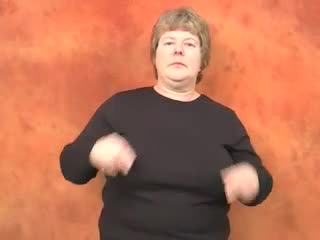
What This Sign Means in BSL
The BSL sign for send is a wonderfully clear and intuitive sign that captures the essence of dispatching something from your possession or location to somewhere else. At its core, it embodies the action of actively moving an item or even a person outwards. Imagine holding something in your dominant hand, ready to relinquish it, and then propelling it forward. This sign is versatile, covering a wide range of ‘sending’ actions, from physical objects to intangible messages.
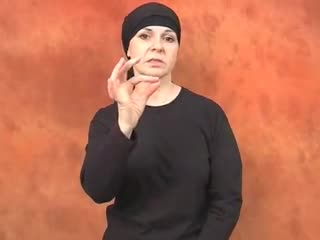
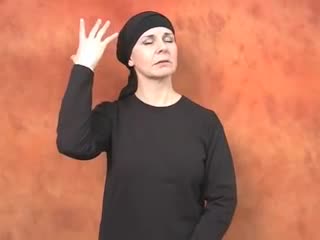
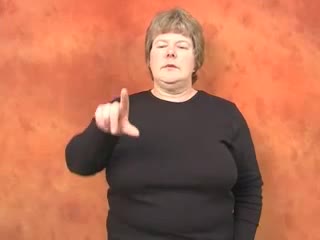
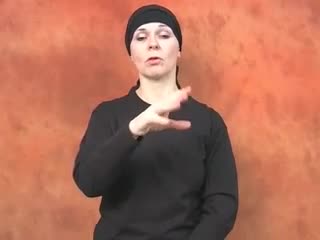
The handshape itself, a flattened O-hand or B-hand with the palm facing upwards, is key. It looks as if you're gently cupping or presenting something, preparing it for its journey. This isn't a clenched fist or a wide-open flat hand, but rather a more contained, almost offering gesture. This ready position then flows into the movement, which is a decisive push forward from your body, truly illustrating the act of letting go and projecting.
Starting near your chest or trunk, the sign moves into the forward space, signifying the transition from your immediate sphere to an external destination. This physical trajectory perfectly mirrors the conceptual journey of something being sent. It’s a direct, active verb that puts the signer in the role of the initiator, the one causing the movement outwards. Pay attention to this clear, intentional push; it's what gives the sign its strength and clarity.
When This Sign Feels Natural
This sign feels natural in a multitude of everyday situations where you are actively dispatching something. Think about sending a letter through the post, dispatching an email to a colleague, or sending a parcel to a friend. It's also appropriate when discussing sending a person somewhere, such as "sending the children to school" or "sending a delegate to a conference." The common thread is that you are the agent initiating the transfer or movement away from yourself or a starting point.
The register of this sign is generally quite neutral and widely applicable. You can use it in formal contexts, like "The board decided to send a new proposal," or in more informal settings, such as "Can you send me a text when you're on your way?" It's a fundamental verb that fits comfortably across various social and professional interactions within the Deaf community. It expresses a clear, unambiguous action of transmission.
However, while versatile, it's worth considering when a more specific sign might be preferred. For instance, if you're talking specifically about posting a letter, there might be a more precise sign for 'post' that adds that specific nuance of the postal service. Similarly, if the focus is on the *arrival* of something, signs like 'receive' or 'deliver' might be more appropriate. The beauty of BSL lies in its ability to be both general and highly specific, so understanding the core meaning of "send" helps you choose the right sign for the right moment.
What Learners Usually Miss
One common subtlety learners often miss with the BSL sign for send is the precise handshape and its orientation. It’s not simply a flat palm pushing forward. The flattened O-hand or B-hand, with the palm specifically facing upwards, is crucial. This 'cupping' or 'presenting' posture sets up the subsequent pushing motion correctly. If your palm is facing down or to the side, or if your fingers are too splayed, you might inadvertently be signing something else or losing the clarity of the action. Practice getting that initial handshape just right before you even begin the movement.
Another aspect that sometimes gets overlooked is the intentionality and directionality of the movement. The sign isn't just a generic forward motion; it's a direct push *from* your body *out* into space. This direction can often be modified slightly to indicate *who* or *where* you are sending something. For example, if you're sending an email *to* John, your sign might be subtly directed towards where John is conceptually located in your signing space. Missing this spatial modification can make your communication less precise and less natural in a BSL conversation.
Finally, learners might underestimate the role of facial expression and the singular nature of the movement. For a standard 'send', a neutral or slightly expectant expression is common. However, if you're sending something with urgency, joy, or even reluctance, your facial expression should reflect that. Additionally, the movement is typically a single, clear, decisive push. Overly repeating the motion or making it too gentle can either suggest continuous sending (like 'sending repeatedly') or weaken the meaning of active dispatch. Focus on a strong, singular push unless the context clearly demands otherwise.
A Simple Way to Remember It
To easily recall the BSL sign for send, think of yourself holding a small, tangible item, like a letter or a miniature package, in the palm of your dominant hand, ready to be dispatched. The flattened O-hand or B-hand, palm up, perfectly embodies this "holding ready" gesture. Then, imagine giving that item a gentle but firm push to send it on its way, moving it from your personal space out towards its destination. This visual analogy directly ties the handshape, movement, and location together into a memorable action.
- The "holding" handshape (flattened O or B, palm up) reminds you that you're preparing to dispatch something.
- The "pushing away" movement from your body visually represents the act of letting go and transmitting.
- The forward direction of the push signifies that something is moving from *here* to *there*, completing the act of sending.
Short Practice Situations
- I need to send that urgent email to my boss before the end of the day.
- Did you remember to send the birthday card to your auntie last week?
- The school decided to send a letter home to all the parents about the upcoming trip.
- Could you please send me a quick text message when you arrive at the meeting?
- They want to send a team of volunteers to help with the community event next month.
Signs to Learn Next
- RECEIVE: This is the natural opposite of 'send'. While 'send' pushes something away, 'receive' typically involves bringing something towards your body, often with a similar handshape but in reverse motion.
- POST: Often used specifically for sending physical mail through a postal service. It might share some handshape or movement characteristics with 'send' but has a more particular context.
- DELIVER: This sign often focuses on the completion of the journey, signifying that something has arrived or been brought to its intended recipient, sometimes with a downward movement.
- GIVE: While similar in its forward motion and often handshape, 'give' usually implies a direct, immediate transfer to someone present, rather than dispatching something over a distance.
- FORWARD: This sign implies re-sending or passing something on that was already received. It might involve a slightly different movement or a repetition of a 'send'-like action to convey the 're-' aspect.