What This Sign Means in BSL
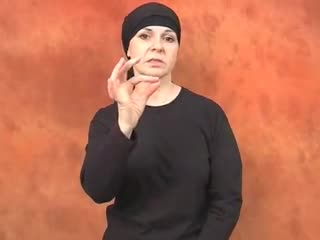
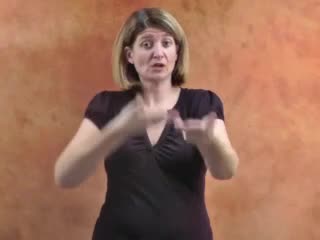
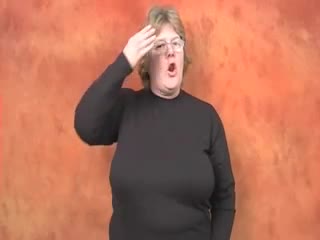
The BSL sign for solve is about more than just finding an answer; it beautifully captures the intellectual journey of unravelling a problem or figuring something out. It isn't a passive sign, but one that conveys active engagement and mental effort. When you use this sign, you're not just saying "I know the answer," you're communicating the process of working through complexity to reach clarity.
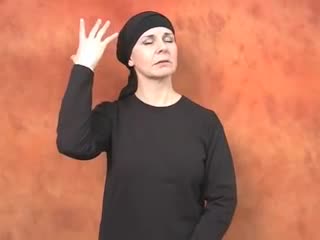
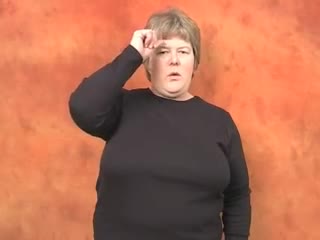
Think of it as the mind at work, processing information, and then that "aha!" moment when the solution crystallises. The movement, starting near your temple and opening outwards, truly embodies the idea of a thought forming and then becoming clear. It often carries a tone of determination and mental accomplishment, especially when used in the context of overcoming a challenge.
This sign is particularly valuable in BSL because it distinguishes itself from simpler concepts like "know" or "understand." It highlights a deliberate, often methodical, approach to overcoming an obstacle, whether it's a puzzle, a mystery, or a difficult situation. It’s a sign that truly shows the human brain in action, moving from confusion to comprehension.
When This Sign Feels Natural
You'll find the BSL sign for solve feels most natural in situations where a problem requires genuine thought and effort to overcome. Imagine a detective piecing together clues, an engineer troubleshooting a complex system, or a student grappling with a difficult equation. These are all perfect scenarios. It fits well when discussing dilemmas, puzzles, mysteries, or any situation that demands a resolution through reasoning.
It’s a versatile sign but generally maintains a somewhat formal or focused register, reflecting the serious nature of problem-solving. While you could use it in everyday chat, it often carries more weight in discussions about challenges or intellectual tasks. For example, if you're discussing a difficult family situation, signing "We need to solve this" conveys a commitment to finding a resolution, not just a quick fix.
Consider choosing a different sign if your meaning is simpler. If you simply want to say "answer a question," there's likely a more direct sign for "answer." If you're talking about "fixing" a broken physical object, a sign like MEND or REPAIR would be more appropriate, as "solve" focuses on the mental aspect rather than hands-on repair. Similarly, if you mean "decide," which implies making a choice, that has its own distinct sign. The key is to match the sign to the specific nature of the resolution you're communicating.
What Learners Usually Miss
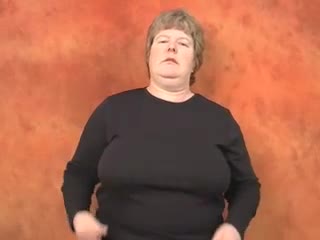
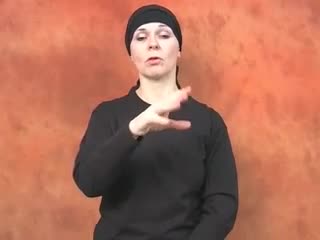
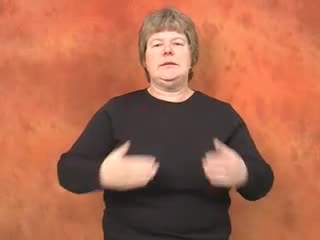
One common pitfall for learners is confusing the BSL sign for solve with signs like THINK or UNDERSTAND. While all three are related to cognitive processes and might involve the temple, the distinct movement and handshape transition are crucial for "solve." THINK often involves a circular movement or a sustained touch at the temple, implying ongoing mental activity. UNDERSTAND typically involves a tap at the temple or a hand moving into a fist, signifying comprehension. "Solve" is unique in its clear progression from a slightly bent B-hand to a fully open 5-hand, moving forward.
Another subtlety often missed is the importance of the facial expression and the completeness of the movement. For "solve," your face should initially reflect concentration or contemplation, transforming into a look of clarity or satisfaction as your hand opens and moves forward. A blank or neutral expression can diminish the impact and clarity of the sign. The hand must open fully into a 5-hand; if it remains partially closed, it doesn't convey the sense of a problem being resolved or an idea becoming clear. It looks incomplete, as if the solution is still elusive.
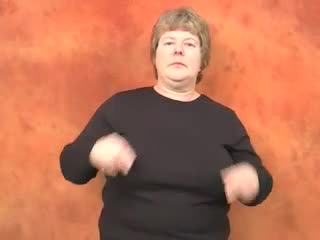
Finally, pay close attention to the direction and decisiveness of the movement. The hand moves forward and slightly down, not just straight out. It’s a single, fluid, and purposeful motion. Hesitation or a jerky movement can make the sign less natural. Practise making the movement smooth and confident, reinforcing the idea of a clear, definitive resolution. Remember, it's not just the handshape, but the entire dynamic of the sign that conveys its full meaning.
A Simple Way to Remember It
Imagine your brain is a locked box, and the BSL sign for solve is the key to unlocking it, revealing the solution. The action clearly represents an idea or answer forming in your mind and then opening up into clarity. It’s the visual representation of a mental "lightbulb moment."
- The temple start: Think of it as the problem residing right there in your head, waiting to be worked on.
- The hand opening: This signifies the problem "unravelling" or the solution "unfolding" and becoming clear.
- The forward movement: Picture pushing the answer out from your mind, presenting the resolution.
Short Practice Situations
- The team spent hours trying to solve the complex coding error before the deadline.
- Can you help me solve the riddle my niece told me? It's really tricky!
- We need to work together to solve this logistical challenge for the upcoming event.
- The detective finally managed to solve the case after finding the crucial piece of evidence.
- I hope we can solve the misunderstanding between us soon, it's been bothering me.
Signs to Learn Next
- THINK: Often, before you solve something, you need to think about it deeply. Learning this helps you differentiate the process from the resolution.
- UNDERSTAND: Once you've solved a problem, you usually understand it better. This sign helps bridge the gap between problem-solving and comprehension.
- PROBLEM: You can't solve something if there isn't a problem! This sign naturally precedes "solve" in many conversations.
- FIND/DISCOVER: Solving often leads to finding or discovering something new, whether it's an answer or a hidden truth. These signs are often the outcome of solving.
- EXPLAIN: After you solve a complex issue, you often need to explain the solution to others. This sign naturally follows the act of solving.