What This Sign Means in BSL
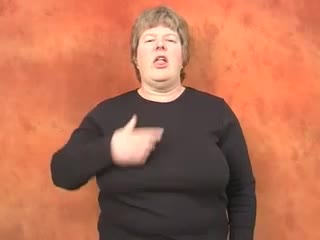
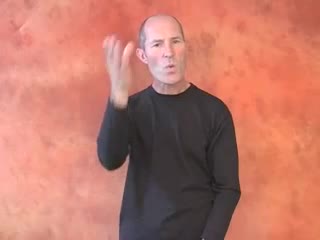
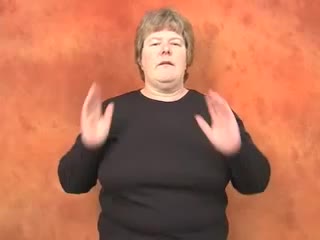
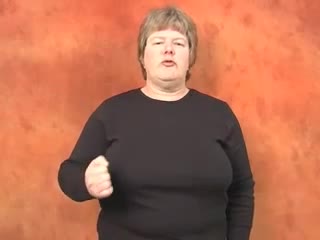
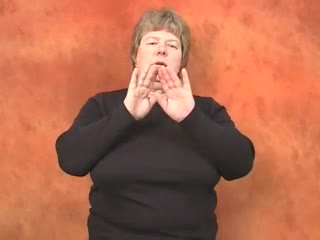
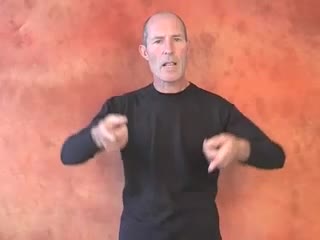
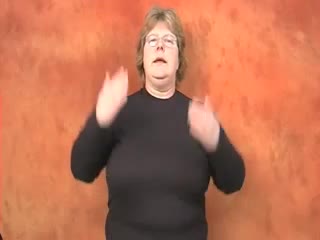
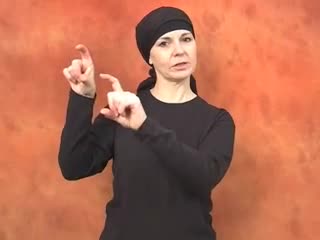
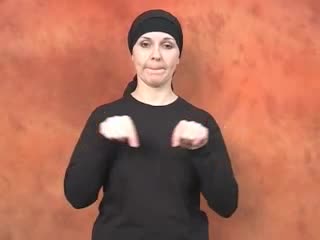
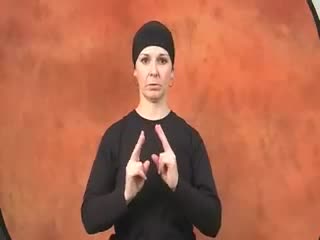
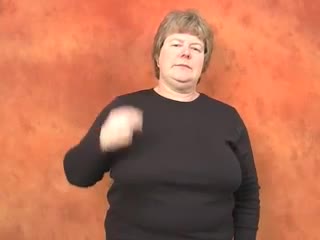
The BSL sign for plywood is wonderfully descriptive, truly embodying the material it represents. When you form this sign, you're not just naming an object; you're visually demonstrating its fundamental characteristic: layers of wood bonded together. It's a pragmatic and direct sign that immediately conveys the nature of this versatile building material.
This sign is a great example of BSL's iconic quality, where the movement and handshape mimic the real-world object or action. The flat hands become the broad, thin sheets, and the sliding motion illustrates the distinct plys that form the single, stronger board. It's a solid, unambiguous sign that doesn't typically carry strong emotional connotations, rather it's purely informative and functional.
Understanding this sign means grasping the visual metaphor at its heart. It's a sign that speaks to construction, durability, and practical application. Noticing how the hands connect to the physical properties of plywood will help you remember and use it with greater accuracy and confidence.
When This Sign Feels Natural
You'll find the BSL sign for plywood feels most natural in conversations about DIY projects, carpentry, or when discussing building materials. Imagine describing how you built a new shed, crafted a piece of furniture, or repaired something at home; this sign fits perfectly into those practical, hands-on narratives. It's a common material, so the sign is frequently used in everyday contexts.
This sign is appropriate across most registers, from informal chats with friends about home improvements to more formal discussions with a builder or at a hardware store. It's clear and specific, so there's little need to substitute it with a more general sign like "wood" if "plywood" is precisely what you mean. Using the specific sign demonstrates a richer vocabulary and a clearer understanding of the subject matter.
However, if your conversation shifts to discussing different types of wood like oak, pine, or MDF, you would naturally transition to those specific signs or fingerspell if a sign doesn't exist. The "plywood" sign is reserved for that particular layered material. It's about precision in your communication, choosing the right sign to paint the clearest picture for your audience.
What Learners Usually Miss
A common subtlety learners sometimes miss with the BSL sign for plywood is the importance of the *flatness* of both hands and the *smooth, repeated* nature of the dominant hand's movement. It's not a choppy or forceful action. Imagine the gentle but firm pressure of one sheet sliding over another, demonstrating cohesion rather than separation. The hands should remain open and flat throughout, representing the broad, flat surface of the material.
Some learners might also make the sliding motion too short or too quick, losing the visual representation of the layers. The movement should be a clear, horizontal slide across the back of the non-dominant hand, repeated a couple of times. This repetition is crucial for conveying the stacked, laminated quality of plywood. Ensure your dominant hand fully contacts and moves along the non-dominant hand, not just hovering above it.
Another point of confusion can be the orientation of the hands. Remember the dominant hand is palm down, and the non-dominant hand is palm up. This specific orientation is part of what makes the sign distinct and visually logical. Getting this right ensures the sign is immediately recognisable and avoids any potential ambiguity with other similar flat-hand signs.
A Simple Way to Remember It
To easily commit the BSL sign for plywood to memory, think of it as visually constructing the material right in front of you. It's a highly iconic sign that directly illustrates its composition.
- The Layers: Imagine your non-dominant hand as a base layer of wood, and your dominant hand as another layer being placed directly on top. The repeated sliding motion visually represents the multiple thin sheets that are glued together to form a single sturdy panel.
- The Flatness: Both hands are flat, mirroring the actual flat, broad sheets of plywood. This handshape instantly connects to the material's physical form.
- The Bonding: The way your dominant hand slides smoothly and repeatedly over the back of your non-dominant hand symbolises the bonding process, showing how these layers become one solid piece.
Short Practice Situations
- You could tell a friend, "I need to buy a large sheet of plywood for the new workbench I'm building."
- Describe a situation where you helped someone move, saying, "We used thick plywood boards to protect the floor."
- Imagine planning a simple DIY project and explaining, "For this shelf, plywood will be strong enough and easy to work with."
- Ask a colleague, "Do you have any spare pieces of plywood that I could use for a small repair?"
Signs to Learn Next
- WOOD / TREE: Since plywood is a wood product, learning the general sign for "wood" or "tree" will help you discuss the raw material it comes from and other wooden items. The signs often share similar handshapes, focusing on the trunk or grain.
- SAW: When working with plywood, a saw is an essential tool. Learning the sign for "saw" will naturally extend your vocabulary for practical tasks and construction conversations.
- SCREW / NAIL: Plywood is often fastened together using screws or nails. Knowing these signs will allow you to describe how items made from plywood are assembled and secured.
- SHELF: Plywood is a common material for making shelves. Learning the sign for "shelf" provides a direct application for your new "plywood" vocabulary, linking material to product.
- BUILD: As plywood is a construction material, the sign for "build" or "construct" is a perfect companion, allowing you to discuss the process of creating things with this versatile material.