What This Sign Means in BSL
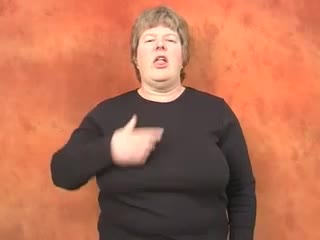
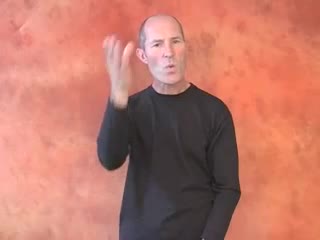
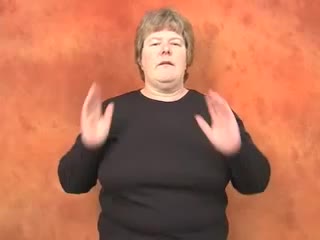
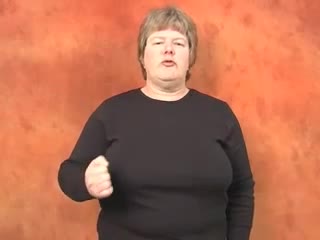
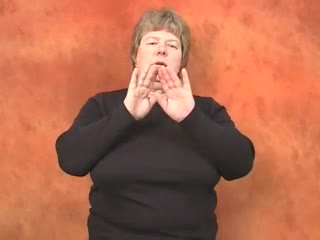
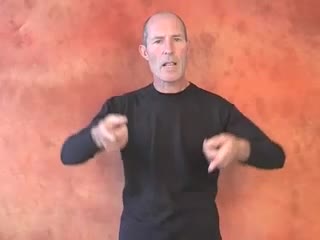
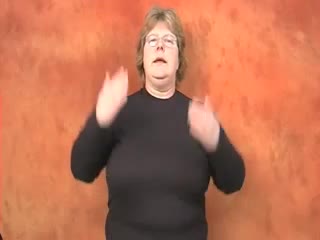
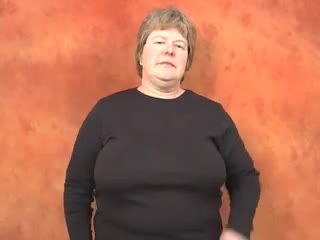
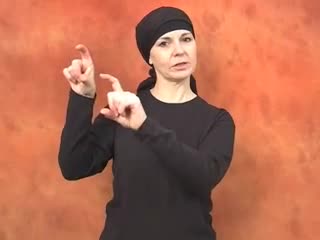
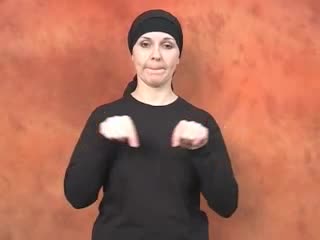
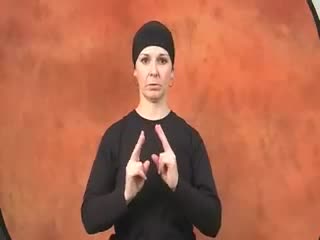
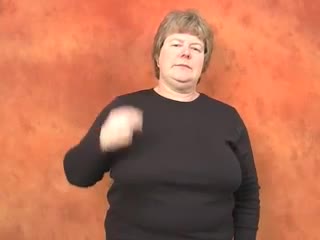
The BSL sign for spiral stair is wonderfully descriptive, literally painting a picture of the object in the air. When you form this sign, you're not just communicating a word; you're creating a visual representation of a unique architectural feature. It's a noun sign, referring specifically to those stairs that wind upwards, often found in older buildings, lighthouses, or space-saving designs. This particular sign stands out because of its iconic nature, making it immediately recognisable to anyone familiar with the structure.
The sign’s strength lies in its directness. The simultaneous upward and circular movement of your hands perfectly embodies the concept of a spiral stair, capturing both its ascent and its distinctive winding path. This isn't a sign that relies on abstract concepts or fingerspelling; it uses the very essence of the object's form to convey its meaning. It's a testament to how BSL often leverages visual representation to make communication clear and efficient.
Understanding this sign means appreciating the visual language of BSL. It teaches us that many signs are rooted in observation and the physical world around us. Mastering "spiral stair" isn't just about learning the handshape and movement; it’s about grasping the core idea that BSL frequently mirrors reality, making complex ideas accessible through simple, evocative gestures.
When This Sign Feels Natural
You’ll find the BSL sign for spiral stair feels most natural when you're specifically discussing or describing a building with this particular feature. Imagine you're giving directions to someone trying to find a specific room in a historic castle or an old library; pointing to the concept of a spiral stair with this sign is far clearer and quicker than trying to explain it verbally. It's perfect for architectural discussions, storytelling, or even just casually mentioning a detail about a place you've visited.
This sign shines in contexts where precision about the type of staircase matters. If you're comparing different stair designs, for instance, or warning someone about the narrowness or dizziness-inducing quality of a particular set of stairs, using this specific sign adds a crucial layer of detail. It elevates your description from merely "stairs" to the exact, winding kind, enriching the conversation and ensuring your audience has a vivid mental image.
While this sign is very specific, its usage isn't limited to formal settings. People use it quite naturally in everyday conversations among Deaf individuals and BSL users. However, if you simply mean any general set of stairs, you'd opt for the more common "STAIRS" sign. Reserve "spiral stair" for those moments when the unique coiled ascent is the defining characteristic you wish to convey, ensuring your communication is both accurate and visually compelling.
What Learners Usually Miss
One common pitfall for learners when performing the BSL sign for spiral stair is failing to maintain the distinct B-handshape consistently. People sometimes let their fingers splay or curl slightly, losing the flat, solid surface that represents the steps. Remember, both hands should remain flat, with fingers together and thumb tucked, throughout the entire movement. It's this precise handshape that visually implies the solid surface of each step as it ascends.
Another subtle but crucial element often missed is the simultaneous nature of the movement. Learners might execute a circular motion and then an upward motion, or vice versa, rather than combining them into one fluid, spiraling ascent. The hands aren't just circling; they're also steadily moving upwards, as if "climbing" a spiral. Think of it as a continuous, elegant climb, where the circular path and the upward trajectory are perfectly synchronised, creating a smooth, uninterrupted spiral.
Finally, paying attention to the location and endpoint is key. The movement should start around mid-chest level and ascend gracefully towards eye level. Some learners might make the movement too small or too short, or let their hands drift too far out from the body. Keep the motion contained and intentional, ensuring the spiral is clearly defined within this vertical space. The visual clarity of the sign depends on this precise execution, making sure the "stair" feels like a real, traversable structure.
A Simple Way to Remember It
To easily recall the BSL sign for spiral stair, simply imagine you're physically climbing one yourself. Your hands become the visual representation of your feet moving upwards, step by step, along the winding path. The smooth, coordinated movement captures the essence of the climb.
-
Visualise the Climb: Think of your flat hands as your feet, steadily moving up each step of a spiral staircase.
-
The "B" is for "Boards": The flat B-handshape represents the flat boards or steps of the staircase itself.
-
Up and Round: The movement is both upwards and round, just like the actual path of a spiral stair.
Short Practice Situations
- Imagine describing a visit to an old castle: "To get to the top of the tower, you had to climb a very long spiral stair."
- You're talking about architecture: "I prefer the elegance of a spiral stair over a straight one in some designs."
- Giving directions to a friend: "Go through the main hall, and you'll find the spiral stair on your left to the second floor."
- Discussing a book: "The mystery started when they found a secret passage behind the spiral stair."
- Posing a question: "Does that new building have a spiral stair connecting the two levels?"
Signs to Learn Next
- STAIRS (general): This is the foundational sign for any staircase. Learning it provides the broader category, helping you understand when to use the specific "spiral stair" sign versus the more general one.
- LADDER: Like a spiral stair, a ladder is for vertical ascent. Comparing the distinct handshapes and movements will highlight how BSL differentiates between various climbing structures.
- BUILDING / HOUSE: Stairs are typically found within buildings. Learning "building" or "house" provides the natural contextual environment for discussing where you might encounter a spiral stair.
- UP / DOWN: These fundamental directional signs are intrinsically linked to the function of stairs. Practicing them will reinforce the upward motion inherent in "spiral stair."
- CIRCLE / ROUND: The "spiral stair" sign incorporates a circular movement. Revisiting the sign for "circle" or "round" will help solidify the precise hand and arm motions needed for the spiraling aspect.