Speed
0
Practice reps times watched

Create a free account to keep your watch history and review plan.

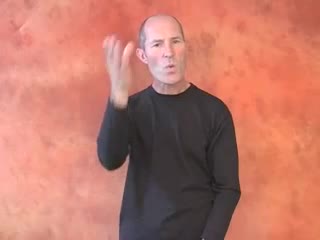
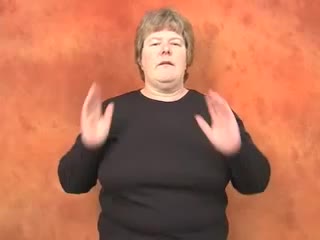
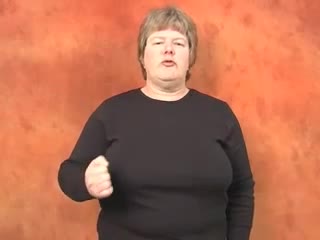
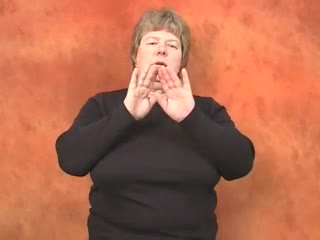
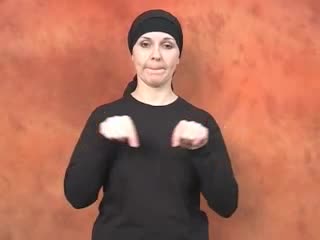
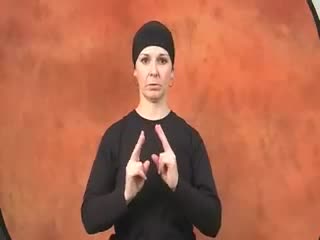
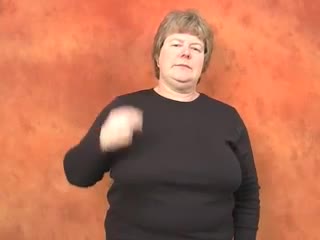
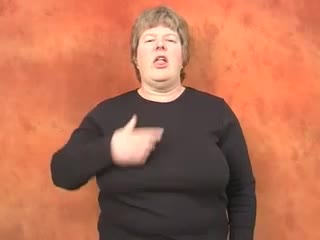
Best practice Use mirror mode, then watch the frame breakdown below to catch the start, movement, and finish cleanly.
Video via SpreadTheSign  - Free educational resource BSL
Updated April 21, 2026
British Sign Language (BSL) 🟢 Beginner 📊 B1 ⚡ Uncommon Noun

chipboard

A type of engineered wood product made from wood chips, often used in furniture and building

Source-linked video Step-by-step guide Context and safety notes
Synonyms
particle board
Antonyms
solid wood
Difficulty
Not rated yet

Create a free account to save this sign, keep your watch history, and unlock a one-note journal preview.

How to sign it
Handshape
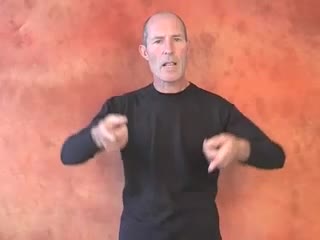
Dominant hand: flat B-hand. Non-dominant hand: flat B-hand
Location
Neutral space in front of the body, chest to waist height
Movement
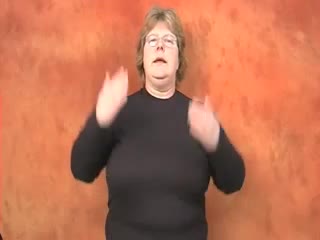
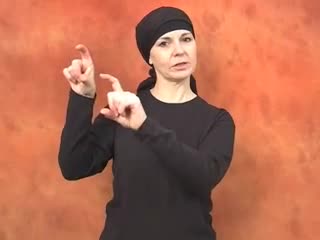
Dominant hand sweeps across non-dominant, then makes small repeated finger movements
Palm Orientation
Dominant: palm down/sideways. Non-dominant: palm up
Facial Expression
Neutral facial expression
🔁 Spaced Review Try it free

How well do you know this sign?

CHIPBOARD
Your Progress Live
🌱
Level 1 · BSL Beginner +0 XP today
This sign Not learned yet
0 watches
Mastery 0%
Confidence
How well do you know this sign?
0 🔥 Streak
0 Signs seen
0 Learned
0 Watches
📖 Vocabulary health 🔒 Log in to see score
0 Mastered
0 Confident
0 Practicing
0 Just seen

Create a free account to keep your vocabulary score between sessions

7-day activity 0 of 7 active

Register free to sync activity across devices

Watch signs to see your history here

Tracking locally for now. Create a free account to save your progress and sync across devices.
Free gets you started. Paid adds the repeat-learning layer: review queues, deeper notes, compare mode, and better comeback tools.
My Sign Journal
Personal notes, saved to your account forever
Locked

Write memory tricks, usage examples, and cultural reminders beside each sign. Create a free account to unlock your first saved note preview on this page.

Create free account Already have an account? Log in

What This Sign Means in BSL

The BSL sign for chipboard is wonderfully descriptive, directly reflecting the material it represents. When you see this sign, you’re not just learning a word; you’re getting a visual explanation of what chipboard actually is: a flat panel made from small, compressed wood particles. It’s a very practical sign, used often in contexts from DIY projects to professional construction sites, and it immediately conveys the specific type of engineered wood product.

What’s particularly neat about this sign is how it separates itself from more general terms like 'wood' or 'board'. It captures the essence of chipboard’s composition through a two-stage movement. The initial, broad sweep establishes the idea of a flat surface, a board, setting the stage. Then, the small, repeated finger movements offer a visual cue to the granular nature of the material, hinting at the compressed wood chips that give chipboard its characteristic texture and properties.

This clarity makes it a relatively easy sign to grasp once you understand its visual logic. It’s a concrete noun sign that doesn’t rely on abstract concepts, making it accessible even for newer learners. Mastering it means you can accurately discuss common building and furniture materials, which is incredibly useful for everyday conversations and practical scenarios across the UK.

When This Sign Feels Natural

You’ll find the BSL sign for chipboard feels most natural in any discussion involving building materials, furniture construction, or home improvement. Imagine describing a flat-pack wardrobe, discussing options for a new worktop, or explaining why a particular shelf might sag over time. In these everyday scenarios, using the specific sign for chipboard is precise and efficient, immediately conveying the material you're talking about without needing further explanation.

This sign is appropriate in both informal and more formal technical conversations, depending on the context. If you're chatting with friends about a weekend DIY project, it fits perfectly. Equally, if you're a builder or carpenter discussing material specifications with a client who signs, this sign is the clear and professional choice. It sits firmly in the practical vocabulary of BSL users, especially those engaged in hands-on work or interested in the physical world around them.

However, it’s important to remember its specificity. While chipboard is a type of board, you wouldn't use this sign if you were talking about a "board" in a general sense, like a whiteboard or a surfboard. Similarly, if you're discussing "wood" in general, or another specific engineered wood product like plywood or MDF, there are distinct signs for those. The power of the chipboard sign lies in its exactness; it’s not a stand-in for other materials but a precise label for this particular one.

What Learners Usually Miss

One common pitfall learners encounter with the BSL sign for chipboard is not clearly distinguishing the two phases of its movement. Often, people might perform a single, continuous motion, blurring the initial "board" gesture with the subsequent "chip" movement. It's crucial to understand these are distinct actions: first, the dominant hand sweeps across the non-dominant to establish the flat plane, then, and only then, do the small, repeated finger wiggles begin. This pause, however brief, truly separates the concepts and makes the sign clear.

Another subtlety that sometimes gets overlooked is the precise nature of the "chip" movement. It's not a large, flapping motion, but small, quick, and repetitive finger movements, mostly from the knuckles or fingers themselves, rather than the wrist or arm. Think of tiny particles vibrating or being agitated. This fine motor detail is what truly sells the "chip" aspect of the sign, accurately representing the material's composition. Ensure your fingers are moving, not your entire hand, for that specific nuance.

Finally, learners occasionally confuse the flat B-handshape, particularly the non-dominant hand, with other handshapes. Both hands should maintain a clear, flat, rigid 'B' shape throughout the sign, representing the solid, flat nature of a board. Sometimes, the non-dominant hand might relax into a less defined shape, or the dominant hand might curl slightly. Keep both hands firm and flat, especially during the initial sweep, to properly convey the sturdy, flat surface of the chipboard itself.

A Simple Way to Remember It

To help this sign stick in your memory, think about the distinct properties of chipboard and how the sign visually mimics them. It’s like building the material in your hands. The flat hands represent the flat, rigid sheet, and the movements literally show you how it’s made from smaller pieces. If you focus on this visual narrative, the sign becomes intuitive rather than just a sequence of movements to memorise.

  • Flat Boards First: Imagine holding two flat pieces of chipboard, one on top of the other. Your flat B-hands perfectly represent the broad, flat surface of the material.
  • Sweeping Surface: The dominant hand sweeping across the non-dominant is like running your hand over a large sheet of chipboard, or perhaps even indicating the layering or breadth of the board itself.
  • Wiggling Wood Chips: The small, repeated finger movements are the most iconic part; they visually represent the tiny wood chips or sawdust particles that are compressed together to form the board.

Short Practice Situations

  • We need to buy a large sheet of chipboard to make the new cupboard shelves.
  • Be careful when you cut that old kitchen unit; the chipboard can sometimes crumble.
  • Is this furniture solid wood, or is it made from veneered chipboard?
  • They’re building a temporary partition using thin sheets of chipboard.
  • Recycled wood is often used in the manufacturing process for chipboard.

Signs to Learn Next

  • WOOD: As chipboard is a product derived from wood, learning the general sign for 'wood' (often a rubbing motion on the back of the non-dominant hand) provides a foundational concept that branches out to specific wood products.
  • BOARD: The sign for a generic 'board' (often a flat hand indicating a surface) is a great next step, as chipboard is a specific type of board. This helps you distinguish between the general and the particular.
  • PLYWOOD: Another common engineered wood product, 'plywood' has a distinct sign (often showing layers). Learning this helps differentiate between similar materials used in construction and carpentry.
  • MATERIAL: Understanding the sign for 'material' (often indicating a general substance or fabric) allows you to categorise chipboard within a broader group of substances used for building or making things.
  • BUILD / CONSTRUCT: Since chipboard is commonly used in construction, learning the signs for 'build' or 'construct' (often showing stacking or assembling) gives context to the practical application of the material.

🤖 AI Learning Guide for "chipboard"

Visualizes the flat surface and aggregated texture of chipboard using two flat hands

🎯 Practice Challenge

Sign 'chipboard' in a sentence about furniture

⚠️ Most Common Mistake

Ensure the texture movement is subtle and repeated, not a single strong crumple

👐 How to Sign "chipboard" in British Sign Language (BSL) (Quick Answer)

Follow these steps to sign chipboard correctly in British Sign Language (BSL):

  1. 1 Form flat B-hands, non-dominant palm up
  2. 2 Place non-dominant hand at chest height as base
  3. 3 Sweep dominant hand across non-dominant surface
  4. 4 Make small, repeated finger wiggles on non-dominant hand

Tip: Watch the video above while following these steps for best results.

🤚 Sign Profile

🤚
Handshape
Dominant hand: flat B-hand. Non-dominant hand: flat B-hand
🔣
Handshape Code
B_flat
Dominant Hand
Either
🙌
Hand Count
Two-handed
📍
Location
Neutral space in front of the body, chest to waist height
↗️
Movement
Dominant hand sweeps across non-dominant, then makes small repeated finger movements
🔄
Movement Type
Linear, Repeated
👆
Contact
Brush
👋
Palm Orientation
Dominant: palm down/sideways. Non-dominant: palm up
⚖️
Symmetry
Asymmetric

😊 Non-Manual Features

Facial expressions and body language are grammatically essential in British Sign Language (BSL) - not optional!

😊
Facial Expression
Neutral facial expression
🙆
Eyebrows
Neutral
👁️
Eye Gaze
Forward
🙂
Head Movement
None
👄
Mouth Morpheme
None
🕴️
Body Shift
No

📖 Grammar & Linguistics

Part of Speech Noun
Inflection No
Classifier Usage No
Role Shift No

🎓 Learning Context

📌 When to Use: Discussing construction, DIY, or furniture materials
⚠️ Common Mistake: Omitting the small finger wiggles, making it too general
🚫 When NOT to Use: When referring to solid wood, plywood, or other specific timber types
Context Tags
construction materials DIY woodworking

🧪 Practice Lab

Use these tiny checks right after watching the video. Fast feedback is what turns recognition into recall.

Meaning check

Which word matches the sign you just watched?

Usage check

Where would this sign fit most naturally?

Confidence check

How do you feel about chipboard right now?

Pick one so SignDeaf can shape the rest of your session around how this sign actually feels.

🧭 Scenario Drill

One sign gets remembered faster when you attach it to real situations. Try these quick scene prompts.

Work

Possible fit

Use this sign in a short workplace sentence or meeting exchange.

Family

Stretch practice

Try signing this while talking about family life or something at home.

School

Stretch practice

Imagine teaching this sign to a classmate or using it in a lesson.

Doctor

Stretch practice

Practise it in a healthcare conversation where clarity matters.

Travel

Stretch practice

Use it in a travel scenario like asking for help or directions.

💬 Example Usage

1.[en] The shelf is made of chipboard. / BSL:[note] Sign CHIPBOARD then SHELF. | 2.[en] Is this chipboard or plywood? / BSL:[note] Sign CHIPBOARD OR PLYWOOD? | 3.[en] We bought a sheet of chipboard. / BSL:[note] Sign BUY SHEET CHIPBOARD

1.[en] The shelf is made of chipboard. / BSL:[note] Sign CHIPBOARD then SHELF. | 2.[en] Is this chipboard or plywood? / BSL:[note] Sign CHIPBOARD OR PLYWOOD? | 3.[en] We bought a sheet of chipboard. / BSL:[note] Sign BUY SHEET CHIPBOARD

When to use it

Discussing construction, DIY, or furniture materials

When not to use it

When referring to solid wood, plywood, or other specific timber types

Register

Technical

🌍 Cultural Context

None

🗺️ Regional Variations

No

⚖️ Similar Signs - What's the Difference?

This sign chipboard
VS
Similar signs Look closely
WOOD: Uses a G-hand or F-hand brushing the back of the non-dominant hand, representing grain. Chipboard uses flat B-hands and specific texture movement. PLYWOOD: Often flat B-hands, possibly sweeping, but without the distinct 'chip' wiggles, sometimes indicating layers. Chipboard distinctly represents aggregated chips. BOARD (general): Can be flat B-hands indicating a flat surface, but lacks the specific texture-indicating movement
plywood sign thumbnail

plywood

Beginner

A type of strong wooden board made from thin layers of wood veneer glued together

Compare with plywood
kicking plate sign thumbnail

kicking plate

Beginner

A protective plate fixed to the lower part of a door or wall, typically to prevent damage from kicks

Compare with kicking plate

📝 Usage Notes

The dominant hand's final small finger movements indicate the 'chip' texture

Frequently Asked Questions

Common questions about the British Sign Language (BSL) sign for "chipboard".

🏷️ Tags

Handshape

Keywords

💡
Did you know?
In BSL, non-manual features (facial expressions, mouthing) are as important as the hand movements.

📚 Explore More British Sign Language (BSL) Signs

Keep building your British Sign Language (BSL) vocabulary - explore signs by category or browse the full dictionary.