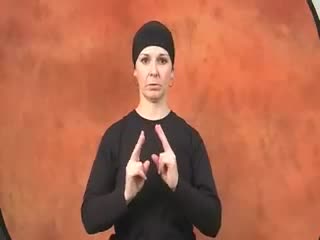
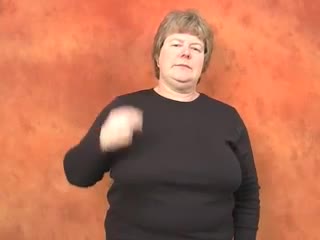
What This Sign Means in BSL
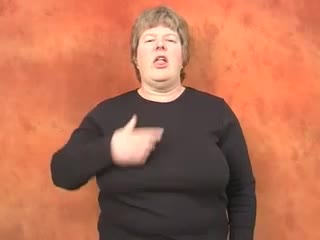
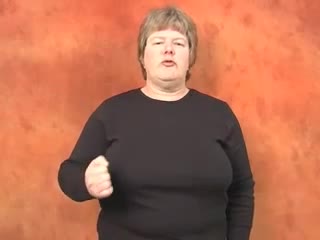
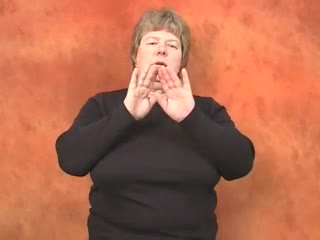
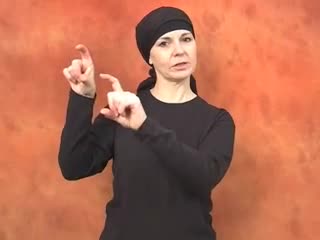
The BSL sign for electrical screwdriver isn't just about the physical tool; it truly embodies the action and efficiency of using one. When you perform this sign, you're not simply indicating a screwdriver, but specifically one powered by electricity, implying speed, ease, and often, a job done quickly. The closed fist handshape beautifully mimics the grip on a tool's handle, while the rapid, repeated twisting motion tells us immediately that this isn't a manual effort but one assisted by power.
What makes this sign particularly expressive is how it distills the essence of the tool. It's about the feeling of the motor turning, the quick fastening or loosening of screws without much human exertion. Think of the buzzing hum and the effortless rotation – that's the feeling you're conveying. It's a very direct and visual sign that doesn't rely on abstract concepts, but rather on the universally understood function of the object itself.
This sign serves as an excellent example of BSL's iconic nature, where the sign often visually represents what it means. It’s practical, functional, and instantly recognisable to anyone familiar with common household or workshop tools. This makes it a foundational sign for discussions about DIY, construction, or simply asking for a specific piece of equipment.
When This Sign Feels Natural
You'll find the BSL sign for electrical screwdriver feels most natural in contexts where the specific nature of the tool – its electrical power – is relevant. Imagine you're helping a friend assemble flat-pack furniture; you might sign, "Can you pass the electrical screwdriver, please? This manual one is too slow!" Here, the distinction between manual and powered is crucial for understanding the request and the urgency.
This sign is also perfect when discussing tasks that inherently benefit from speed and reduced effort. For example, if you're talking about a quick repair job, installing many shelves, or dismantling an old appliance, using this specific sign conveys the efficiency of the task. It's a sign that fits perfectly into practical, hands-on conversations, whether you're at a hardware shop, a building site, or just tidying up around the house.
While you might sometimes fingerspell "screwdriver" or use a more generic sign if the power source isn't important, choosing the specific sign for "electrical screwdriver" adds a layer of precision. It tells your audience you're talking about that specific, often battery-powered or mains-powered, tool. It’s less likely to be used in very formal settings unless the specific tool is central to a technical discussion, but it's a staple in everyday, practical communication.
What Learners Usually Miss
One common oversight among learners is the rapidity and repeatability of the twisting motion. It's not a slow, deliberate turn, but a quick, almost vibrating twist, mirroring the continuous, high-speed rotation of a motor. Many learners initially perform a slower, more singular twist, which can sometimes be confused with a manual screwdriver. The key is to convey the effortless, almost buzzing action of the powered tool, so focus on making that wrist and forearm movement swift and repeated.
Another subtle point that often goes unnoticed is the specific handshape and location. While the S-handshape (closed fist) is intuitive for grasping a handle, ensuring it's held firmly, as if you truly have a tool in your hand, adds to its clarity. The sign should be performed comfortably in front of the body, around chest or waist height. Performing it too high, too low, or with a loose grip can make the sign less clear and less impactful, losing some of its iconic representation.
Finally, learners sometimes forget that the "electrical" aspect isn't explicitly signed as a separate word; it's entirely embedded in the movement. There's no separate sign for 'electrical' combined with 'screwdriver'. The speed and continuous action inherently communicate its powered nature. Overemphasising the "electrical" part with an additional, separate sign would be redundant and unnatural. Trust the movement to do the talking!
A Simple Way to Remember It
Imagine you're actually holding and using the tool in your hand right now. Feel the grip, hear the whirring sound, and see the screw being driven in quickly. This sign is a direct physical representation of that experience, making it highly intuitive and easy to recall. Focus on the core actions and sensations.
- Grip it firmly: The closed fist (S-handshape) is exactly how you hold the handle. Pretend it's weighty and solid in your hand.
- Twist with power: The rapid, repeated wrist and forearm motion is the motor doing the work, not your muscle. Think of the speed of the drill bit.
- Effortless action: The continuous motion signifies the tool's power, not human strenuous effort. It’s quick, efficient, and gets the job done fast.
Short Practice Situations
- "I need to fix that wobbly shelf; can I borrow your electrical screwdriver?"
- "He used an electrical screwdriver to assemble the entire flat-pack wardrobe in under an hour."
- "Remember to charge the battery for the electrical screwdriver before we start the DIY project."
- "Do you prefer using a manual or an electrical screwdriver for intricate tasks?"
Signs to Learn Next
- Screwdriver (Manual): This is a natural follow-up as it directly contrasts with the electrical version. The manual sign often involves a slower, more deliberate, single twist, highlighting the human effort involved.
- Drill: Another essential power tool, the sign for 'drill' often involves a similar handshape but with a more forward-and-back or plunging motion, mimicking the action of boring a hole rather than twisting a screw.
- Hammer: As another fundamental tool, learning 'hammer' (often a fist striking downwards) expands your vocabulary for household repairs and construction, allowing you to discuss a wider range of DIY tasks.
- Fix / Repair: This action-based sign (often two 'F' handshapes meeting) connects perfectly, as an electrical screwdriver is frequently used in the process of fixing or repairing items.
- Build / Assemble: When you're using an electrical screwdriver, you're often building or assembling something. This sign (often involving hands moving together to create a structure) broadens the context in which you can use your new tool vocabulary.