What This Sign Means in BSL
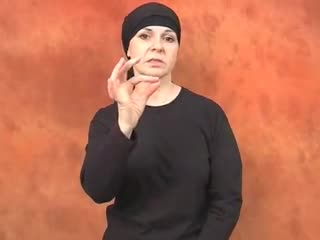
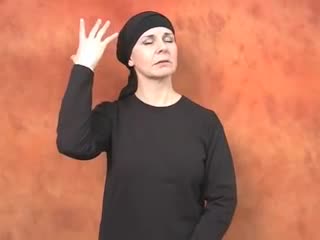
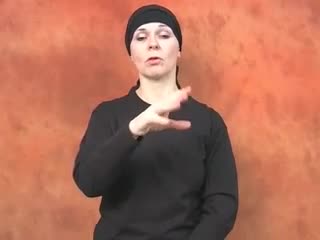
The BSL sign for look for captures the essence of actively searching, seeking, or trying to locate something or someone. It's about the ongoing process, the journey of discovery, rather than the immediate outcome. Think of it as a gentle, yet persistent, quest. The sign beautifully conveys a sense of exploration, whether you're rummaging through a bag, scanning a room for a familiar face, or even contemplating a solution to a problem.
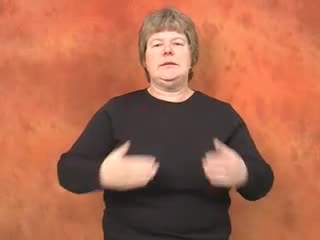
This sign is incredibly versatile, applying to both concrete items – like misplacing your keys or searching for a specific book – and more abstract concepts, such as looking for a new opportunity, a specific piece of information, or even happiness. The handshape, typically slightly curved with fingers together or slightly spread and the thumb often touching the middle finger, feels intuitive, almost like your hand is gently sweeping or probing an area. This makes it a foundational sign for expressing intent and action in many everyday conversations.
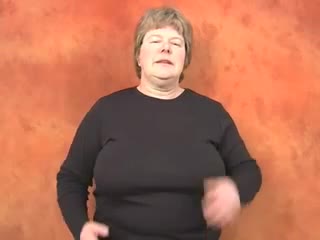
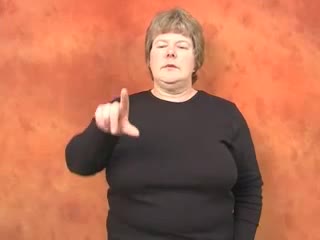
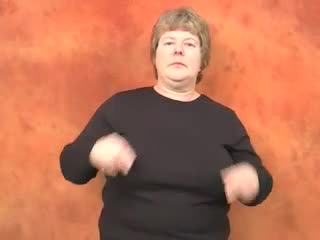
The repeated small circular or arcing movement, performed generally at mid-chest to waist height in front of your body, is key. It indicates that the search isn't a single, quick action, but a continuous, often hopeful, effort. It's less about a sudden "aha!" moment and more about the methodical or exploratory steps you take before that moment, or even if it never arrives.
When This Sign Feels Natural
You'll find yourself using the sign for look for in countless real-world scenarios. It feels entirely natural when you're trying to locate a lost object around the house, like saying, "I'm looking for my glasses, have you seen them?" It's also perfect for asking someone if they're searching for something specific, perhaps a new hobby or a particular shop in a busy town. Its directness makes it suitable for most registers, from casual chats with friends to more formal discussions about research or job applications.
Consider using this sign when the act of searching is the primary focus. If you're talking about a job search, an investigation into a topic, or even just trying to remember where you put something, this sign fits perfectly. It communicates the active engagement in the pursuit. For instance, "We're looking for volunteers for the charity event next month" uses the sign effectively to convey the recruitment effort.
However, it’s important to distinguish it from other related signs. If you've already found something, you'd use the sign for find. If your search is more intense, systematic, or involves a broader scan, you might opt for the sign for search (often two-handed). The BSL sign for look for is often a more personal, focused, and sometimes less exhaustive pursuit than a full-blown "search" might imply, and it distinctly focuses on the process over the result.
What Learners Usually Miss
One common oversight for new learners is the subtle, repeated nature of the movement. Many might perform a single, sweeping motion, which can sometimes be mistaken for "find" (the outcome) or "take." Remember, the instruction specifies a "repeated small circular or arcing movement." This repetition is crucial; it’s what conveys the ongoing effort, the persistence in your search. Imagine gently swirling your hand as if sifting through items or scanning a small area multiple times.
Another point often missed is the relaxed handshape. Learners sometimes stiffen their fingers or wrist, making the sign appear rigid or forceful. The hand should be slightly curved, almost cupped, and the movement should originate from a relaxed wrist and forearm, allowing for that natural, fluid arcing motion. This softness makes the sign feel much more authentic and conveys the searching intent without aggression.
Finally, facial expression plays a significant role here, as it does with most BSL signs. When you're "looking for" something, your face might convey mild concentration, a hint of curiosity, or even slight frustration if the search is proving difficult. Without this subtle nuance, the sign can appear flat. Practise mirroring a natural expression of someone engaged in searching – perhaps slightly furrowed brows or a thoughtful gaze – to really bring the sign to life and communicate the underlying emotion of your search.
A Simple Way to Remember It
Picture your hand as a gentle "radar" or a "feeler," sweeping and scanning an area for something specific. The curved handshape is like you’re ready to scoop up or identify what you’re searching for, and the repeated movement is your continuous effort to locate it.
- The "Scanning Hand": Imagine your slightly curved hand gently sweeping across a surface or through the air, much like a metal detector or a hand feeling for an object in the dark.
- The "Persistent Circle": The repeated circular or arcing motion reminds you that looking for something isn't usually a one-and-done action; it requires continuous effort and checking.
- The "Mid-Range Hunt": The sign’s location from mid-chest to waist height suggests a general, accessible area where you might typically misplace common items, making it feel like a natural, everyday search.
Short Practice Situations
- I'm looking for my keys; I think I left them on the kitchen counter.
- Are you looking for a new place to live, or are you happy where you are?
- We need to look for a good documentary about marine life for our project.
- My friend is always looking for new restaurants to try in the city centre.
- Can you help me look for my cat? She sometimes hides under the sofa.
Signs to Learn Next
- FIND: This is the natural progression from "look for." Once you've completed your search, you'll hopefully "find" what you were seeking. Learning both together helps you express the full journey from intent to outcome.
- SEARCH: While "look for" is often more personal and focused, "search" can imply a broader, more systematic, or even intense investigation, sometimes involving both hands. Understanding the distinction helps you choose the most accurate sign for the context.
- LOSE: Often, the reason we "look for" something is because we "lost" it! This sign is the inverse, providing the context for many search situations and building your vocabulary of actions and their consequences.
- WHERE: This question sign is frequently paired with "look for." If you're looking for something, the immediate follow-up is often "where is it?" or "where did you last see it?" Learning them together makes practical sense for conversation flow.
- WANT: Sometimes, you "look for" something because you "want" it, whether it's a specific item, an opportunity, or a person. Connecting these two signs allows you to express your desires and the actions you take to fulfil them.