Speed
0
Practice reps times watched

Create a free account to keep your watch history and review plan.

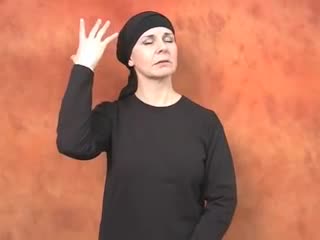
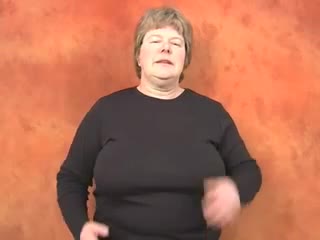
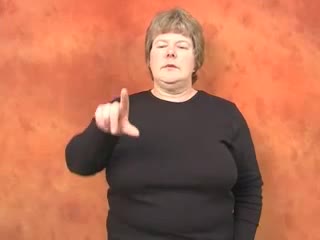
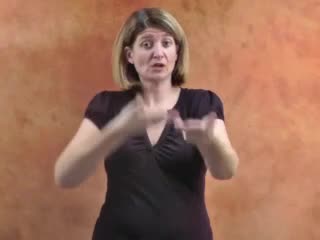
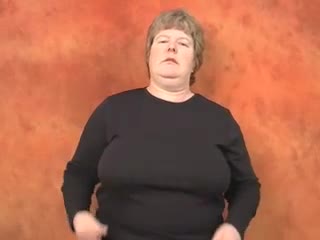
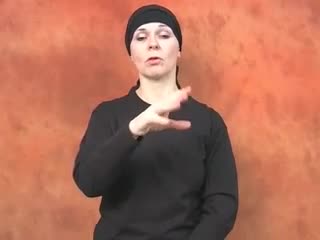
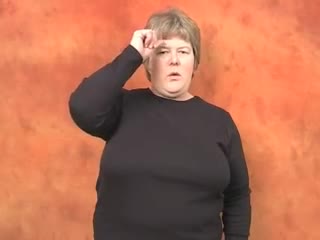
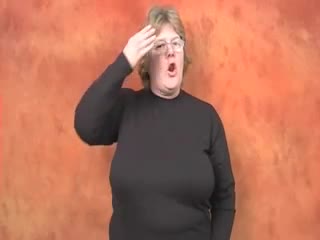
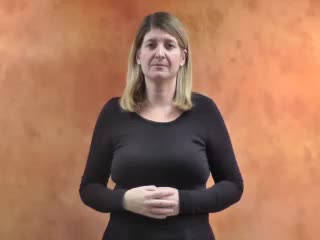
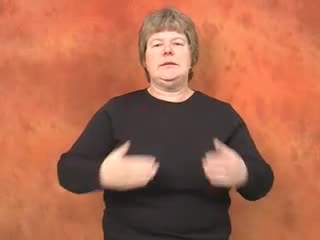
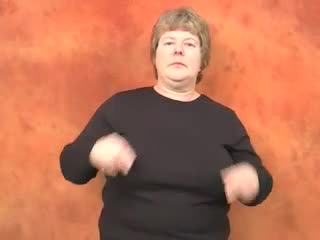
Best practice Use mirror mode, then watch the frame breakdown below to catch the start, movement, and finish cleanly.
Video via SpreadTheSign  - Free educational resource BSL
Updated April 22, 2026
British Sign Language (BSL) 🟢 Beginner 📊 B1 ⚡ Common Verb

construct

To build, create, or form something, physically or conceptually

Source-linked video Step-by-step guide Context and safety notes
Synonyms
Build create make erect form
Antonyms
Demolish destroy dismantle
Difficulty
Not rated yet

Create a free account to save this sign, keep your watch history, and unlock a one-note journal preview.

How to sign it
Handshape
Both hands flat, fingers together, thumb tucked or alongside
Location
Mid-chest to shoulder height in front of the body
Movement
Hands move upwards and slightly outwards, often alternating or simultaneously
Palm Orientation
Palms face each other, then slightly upwards/forwards
Facial Expression
Neutral facial expression, optional mouthing
🔁 Spaced Review Try it free

How well do you know this sign?

CONSTRUCT
Your Progress Live
🌱
Level 1 · BSL Beginner +0 XP today
This sign Not learned yet
0 watches
Mastery 0%
Confidence
How well do you know this sign?
0 🔥 Streak
0 Signs seen
0 Learned
0 Watches
📖 Vocabulary health 🔒 Log in to see score
0 Mastered
0 Confident
0 Practicing
0 Just seen

Create a free account to keep your vocabulary score between sessions

7-day activity 0 of 7 active

Register free to sync activity across devices

Watch signs to see your history here

Tracking locally for now. Create a free account to save your progress and sync across devices.
Free gets you started. Paid adds the repeat-learning layer: review queues, deeper notes, compare mode, and better comeback tools.
My Sign Journal
Personal notes, saved to your account forever
Locked

Write memory tricks, usage examples, and cultural reminders beside each sign. Create a free account to unlock your first saved note preview on this page.

Create free account Already have an account? Log in

What This Sign Means in BSL

The BSL sign for construct is a powerful verb that visually represents the act of building or putting something together. It goes beyond simply "making" something; it specifically conveys the deliberate assembly of parts into a larger, coherent whole. Think of it as creating a structure, whether that structure is a physical building, a complex argument, or a well-thought-out plan.

You'll notice the distinct handshape: both hands are flat, with fingers together, and your thumb is either tucked alongside or neatly aligned. This flat hand often symbolises a surface, a layer, or a foundation. The movement is key – your hands start around mid-chest height and move upwards and slightly outwards. This upward motion clearly signifies adding layers, growing, or elevating, while the outward movement suggests expansion and the formation of a distinct entity. Often, these movements are alternating, like laying bricks one by one, or sometimes simultaneous, as if raising walls.

This sign truly embodies the concept of construction. It’s about careful, intentional assembly, implying a process rather than an instant creation. When you see this sign, you should get a sense of a methodical, organised effort to bring something into existence, piece by piece, or concept by concept.

When This Sign Feels Natural

This sign feels most natural when you're referring to creating something with a distinct form or logical arrangement. It's excellent for talking about engineering projects, architecture, or even the careful development of abstract ideas. For instance, when discussing plans for a new school, the construction of a bridge, or even how someone constructs a compelling narrative, this sign fits perfectly. It carries a sense of formality and precision that aligns with the detailed nature of construction.

You'll find it particularly useful in professional or academic contexts where the exact nature of building or forming is important. Imagine a discussion about urban planning, scientific theory development, or legal arguments. In these situations, using "construct" adds a layer of specificity that a more general sign like "make" might miss. It highlights the structured, often complex, effort involved.

However, it wouldn't typically be used for simple, everyday "making," like making a cup of tea or making a mess. For those, there are other, more appropriate signs. This sign's strength lies in its ability to convey the creation of something significant and structured, something that requires deliberate thought and assembly. It speaks to the process of bringing a substantial concept or object into being.

What Learners Usually Miss

One of the most common things learners often miss with this sign is the critical upward element of the movement. It’s not just about pushing your hands forward or simply moving them outwards from the body. The sign needs to clearly demonstrate an ascent, as if you are stacking or elevating components. Without this upward trajectory, the sign can lose its core meaning of building up layers or structure, potentially becoming confused with other signs that involve outward hand movements.

Another subtle but important detail is the controlled and deliberate rhythm. While the hands can move alternately or simultaneously, the movement should feel steady and intentional, not rushed or haphazard. Imagine the precision of a builder or an engineer; their actions are measured. Sometimes learners might perform the sign too quickly, which diminishes the sense of careful assembly, or too loosely, which loses the solidity implied by the flat handshapes. Pay attention to the smooth flow and the clear definition of each upward and outward pulse.

Finally, ensure your handshapes remain consistently flat with fingers together throughout the movement. It’s easy for fingers to splay slightly or for the hands to lose their flat posture, which can weaken the visual metaphor of a solid foundation or a smooth surface being added. Keeping the hands firm and aligned reinforces the idea of building with strong, consistent elements. Practice maintaining that flat, cohesive handshape from start to finish.

A Simple Way to Remember It

To really cement the BSL sign for construct in your memory, visualise the act of building something solid and growing. Think of your hands as the components or layers, and the movement as the process of stacking them up to create a finished form.

  • The "Building Blocks" Hands: Imagine your flat hands as sturdy building blocks or layers. When you bring them up and out, you’re visually adding these blocks to create something tall and wide.
  • The "Rising Structure" Movement: The upward motion is like a building growing taller, floor by floor. The slight outward movement suggests it's also expanding or taking its place in the world.
  • The "Careful Assembly" Feel: Think of the deliberate, often alternating, movement as carefully laying bricks or fitting pieces together, step by step, to form a robust structure.

Short Practice Situations

  • Imagine you are discussing a new project: "The team will construct a detailed plan for the new marketing campaign next week."
  • You're talking about architecture: "They aim to construct an eco-friendly apartment building in the city centre."
  • Consider a challenging debate: "It takes significant skill to construct a persuasive argument during a live discussion."
  • Thinking about a community initiative: "Local volunteers helped to construct a new play area for the children in the park."

Signs to Learn Next

  • CREATE: While "construct" implies building with structure, "create" (often involving circular or shaping hand movements) is a broader term for bringing something new into existence, whether it's art, ideas, or even a simple meal. Learning this helps you differentiate between structured building and general invention.
  • PLAN: This sign often involves mapping out an idea or outlining steps. Learning "plan" alongside "construct" is natural because planning is usually the precursor to any major construction effort, whether physical or abstract.
  • BUILDING: This sign typically describes the finished structure itself, often moving hands upwards to represent height. Understanding "building" as a noun complements "construct" as the verb, showing the result of the action.
  • DEVELOP: Often signed with hands moving forward and expanding, "develop" shares conceptual ground with "construct" when discussing the growth of ideas, strategies, or people. It helps distinguish between physical construction and the evolution of concepts.

🤖 AI Learning Guide for "construct"

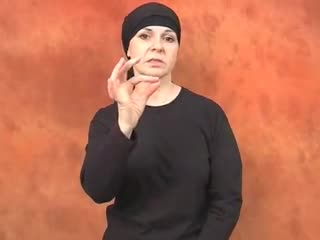
The BSL sign for 'construct' uses two flat hands moving upwards and outwards, often alternating, to depict the building up of something

🎯 Practice Challenge

Practice the flat handshape and the upward, outward alternating movement

⚠️ Most Common Mistake

Ensure hands are flat, fingers together, and movement is clear and upward-outward

👐 How to Sign "construct" in British Sign Language (BSL) (Quick Answer)

Follow these steps to sign construct correctly in British Sign Language (BSL):

  1. 1 Form B-hand variant with both hands (flat, fingers together, thumb tucked)
  2. 2 Position hands facing each other at mid-chest height
  3. 3 Move hands upwards and slightly outwards, palms rotating slightly upwards
  4. 4 Repeat the movement, often alternating or simultaneously, to show building

Tip: Watch the video above while following these steps for best results.

🤚 Sign Profile

🤚
Handshape
Both hands flat, fingers together, thumb tucked or alongside
🔣
Handshape Code
Flat-B
Dominant Hand
Either
🙌
Hand Count
Two-handed
📍
Location
Mid-chest to shoulder height in front of the body
↗️
Movement
Hands move upwards and slightly outwards, often alternating or simultaneously
🔄
Movement Type
Repeated
👆
Contact
Air
👋
Palm Orientation
Palms face each other, then slightly upwards/forwards
⚖️
Symmetry
Symmetric

😊 Non-Manual Features

Facial expressions and body language are grammatically essential in British Sign Language (BSL) - not optional!

😊
Facial Expression
Neutral facial expression, optional mouthing
🙆
Eyebrows
Neutral
👁️
Eye Gaze
Forward
🙂
Head Movement
None
👄
Mouth Morpheme
Neutral mouth, optional mouthing 'construct'
🕴️
Body Shift
None

📖 Grammar & Linguistics

Part of Speech Verb
Transitivity Transitive
Inflection Yes
Classifier Usage N/A
Role Shift No

🎓 Learning Context

📌 When to Use: Discussing building, creating ideas, forming arguments, developing structures
⚠️ Common Mistake: Incorrect handshape (not flat) or unclear, small movements
🚫 When NOT to Use: When referring to destruction, dismantling, or abstract creation without building up
Context Tags
Architecture engineering planning development creation

🧪 Practice Lab

Use these tiny checks right after watching the video. Fast feedback is what turns recognition into recall.

Meaning check

Which word matches the sign you just watched?

Usage check

Where would this sign fit most naturally?

Confidence check

How do you feel about construct right now?

Pick one so SignDeaf can shape the rest of your session around how this sign actually feels.

🧭 Scenario Drill

One sign gets remembered faster when you attach it to real situations. Try these quick scene prompts.

Work

Stretch practice

Use this sign in a short workplace sentence or meeting exchange.

Family

Stretch practice

Try signing this while talking about family life or something at home.

School

Stretch practice

Imagine teaching this sign to a classmate or using it in a lesson.

Doctor

Stretch practice

Practise it in a healthcare conversation where clarity matters.

Travel

Stretch practice

Use it in a travel scenario like asking for help or directions.

💬 Example Usage

1.[en] We will construct a new building. / BSL:[WE WILL CONSTRUCT BUILDING NEW] | 2.[en] Construct a plan. / BSL:[CONSTRUCT PLAN] | 3.[en] How do you construct that? / BSL:[HOW CONSTRUCT THAT?]

1.[en] We will construct a new building. / BSL:[WE WILL CONSTRUCT BUILDING NEW] | 2.[en] Construct a plan. / BSL:[CONSTRUCT PLAN] | 3.[en] How do you construct that? / BSL:[HOW CONSTRUCT THAT?]

When to use it

Discussing building, creating ideas, forming arguments, developing structures

When not to use it

When referring to destruction, dismantling, or abstract creation without building up

Register

Neutral

🌍 Cultural Context

Common in educational and professional discussions of projects

🗺️ Regional Variations

Minor variations in movement path or speed, core form consistent

⚖️ Similar Signs - What's the Difference?

This sign construct
VS
Similar signs Look closely
**MAKE**: Uses similar flat hands, but often brings hands together. 'Construct' specifically implies building upwards. **BUILDING (noun)**: Often uses a similar upward movement but might incorporate a roof shape. 'Construct' is the verb action. **CREATE**: Can use various handshapes and movements, often more abstract or less structured formation

📝 Usage Notes

Can imply both physical building and conceptual formation or development

🏷️ Tags

Handshape

Keywords

💡
Did you know?
BSL is a full, natural language with its own grammar - not just English signed word by word.

📚 Explore More British Sign Language (BSL) Signs

Keep building your British Sign Language (BSL) vocabulary - explore signs by category or browse the full dictionary.