Speed
0
Practice reps times watched

Create a free account to keep your watch history and review plan.

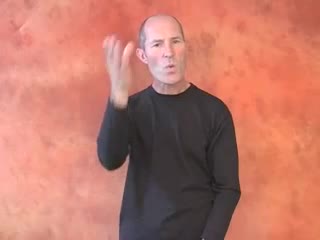
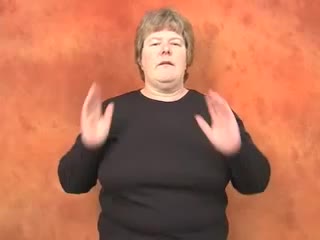
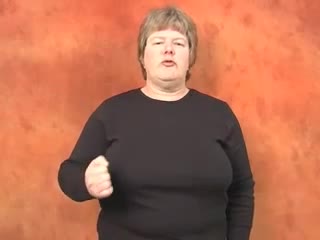
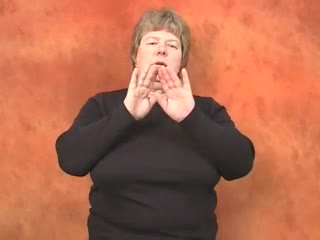
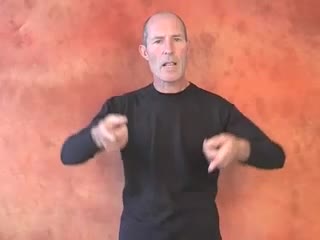
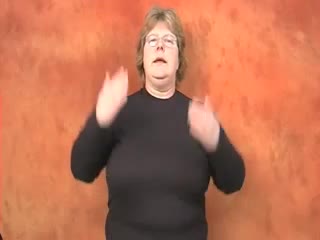
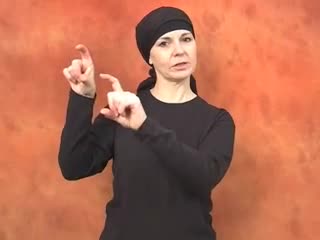
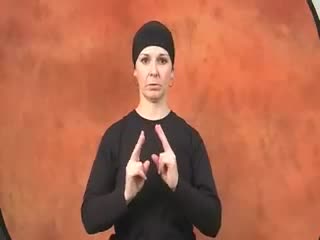
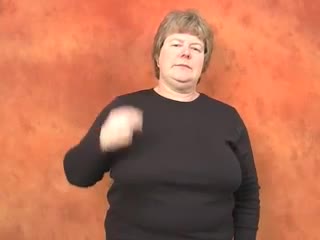
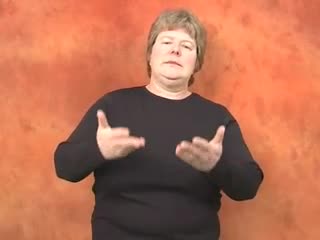
Best practice Use mirror mode, then watch the frame breakdown below to catch the start, movement, and finish cleanly.
Video via SpreadTheSign  - Free educational resource BSL
Updated April 27, 2026
British Sign Language (BSL) 🟢 Beginner 📊 A1 ⚡ Common Noun

classroom

A room where classes are taught

Source-linked video Step-by-step guide Context and safety notes
Synonyms
Learning space teaching room
Antonyms
Playground office
Difficulty
Not rated yet

Create a free account to save this sign, keep your watch history, and unlock a one-note journal preview.

How to sign it
Handshape
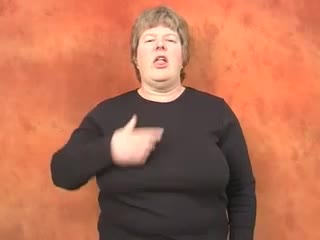
Both hands form a C-shape, fingers curved
Location
Mid-front body, chest to waist height
Movement
Hands move outwards, then stop to outline a rectangular space
Palm Orientation
Palms face each other, then outward
Facial Expression
Neutral
🔁 Spaced Review Try it free

How well do you know this sign?

CLASSROOM
Your Progress Live
🌱
Level 1 · BSL Beginner +0 XP today
This sign Not learned yet
0 watches
Mastery 0%
Confidence
How well do you know this sign?
0 🔥 Streak
0 Signs seen
0 Learned
0 Watches
📖 Vocabulary health 🔒 Log in to see score
0 Mastered
0 Confident
0 Practicing
0 Just seen

Create a free account to keep your vocabulary score between sessions

7-day activity 0 of 7 active

Register free to sync activity across devices

Watch signs to see your history here

Tracking locally for now. Create a free account to save your progress and sync across devices.
Free gets you started. Paid adds the repeat-learning layer: review queues, deeper notes, compare mode, and better comeback tools.
My Sign Journal
Personal notes, saved to your account forever
Locked

Write memory tricks, usage examples, and cultural reminders beside each sign. Create a free account to unlock your first saved note preview on this page.

Create free account Already have an account? Log in

What This Sign Means in BSL

The BSL sign for classroom is wonderfully direct and visually descriptive. At its heart, this sign quite literally draws the physical boundaries of a room designed for learning. Imagine you’re sketching the four walls of a space right in front of you; that’s the essence of what you’re conveying.

It’s a foundational noun, referring specifically to the physical place where people teach and learn. Unlike signs for broader concepts like 'education' or 'school' (the institution), this sign anchors itself firmly in the tangible architecture. It’s about the room itself, not the abstract activity or the organisation.

What makes this sign particularly effective is its clarity. When you use it, you’re not just saying "a room"; you're specifying "a room for classes." This distinction is important for precise communication, helping you differentiate between, for example, a living room, a meeting room, and the dedicated space for instruction.

When This Sign Feels Natural

This sign feels most natural when you're referring to the physical location of a learning environment. For instance, if you're asking, "Where is the new BSL classroom?" or stating, "Our session is in the main classroom," this is precisely the sign you’d choose. It’s perfect for giving directions, describing a building layout, or talking about the conditions of a specific teaching space.

You can use the BSL sign for classroom across a wide range of conversational registers, from casual chat with friends to more formal discussions about school facilities. It’s a very versatile sign because the physical presence of classrooms is a common topic in daily life, especially within educational settings or when coordinating group activities.

However, it’s helpful to remember its specific focus. If your meaning is closer to 'lesson' or 'lecture,' you’d use a different sign. Similarly, if you're talking about the institution of 'school' or the broader concept of 'education,' other signs would be more appropriate. This sign is about the *container* – the room – not always the *content* or *institution* within it.

What Learners Usually Miss

One common area where learners can sometimes miss the mark with the BSL sign for classroom is in the precision of the handshape and the crispness of the movement. Both hands form a clear 'C' shape, with fingers gently curved, not stiffly open or too loosely rounded. It’s crucial that these 'C' shapes are well-defined, as they represent the corners or the framing elements of the room.

Another subtlety often overlooked is the deliberate nature of the movement and the final stop. The hands move outwards from the mid-front body (chest to waist height) to outline that rectangular space, but the movement isn't a continuous flow. There should be a distinct, clear stop once the rectangle is outlined. This pause is important; it signifies that the 'walls' have been fully defined and the space is enclosed, rather than just an ongoing gesture. Without that clear stop, the sign can look unfinished or vague, losing its descriptive power.

Paying attention to the scale and height is also key. The outline you create should be proportionate and held around your mid-body. Making the rectangle too small might suggest a tiny space, while making it excessively large or too high/low can distort the meaning or make the sign feel awkward. Aim for a natural, comfortable size that clearly frames a space in front of you, as if you’re gesturing to an actual room that you’re imagining.

A Simple Way to Remember It

To easily recall the BSL sign for classroom, think of yourself as literally drawing the outlines of a room dedicated to learning. The sign visually constructs the space. It’s like you’re using your hands to project a mental image of the classroom’s boundaries directly into the air in front of you.

  • The 'C' for Containment: The two 'C' handshapes can remind you of the corners or the containing structure of the room, ready to hold people and ideas.
  • Outlining the Space: The outward movement of your hands is like you're physically expanding to show the width and depth of the classroom, creating its four walls.
  • Defining the Boundaries: The clear, final stop of your hands at the end of the movement solidifies the sign, marking the definite edges of the room and giving it form.

Short Practice Situations

  • "Which classroom are we using for our BSL lesson this afternoon?"
  • "The new classroom has a fantastic interactive whiteboard and comfortable chairs."
  • "Please make sure the classroom is tidy and all the equipment is put away before you leave."
  • "I heard they are renovating the art classroom next summer; it really needs it."
  • "Do you remember our old primary school classroom? It felt so big back then!"

Signs to Learn Next

  • SCHOOL: While 'classroom' is the physical space, 'school' refers to the institution. Learning both helps you differentiate between the location and the organisation.
  • TEACH: Teaching is one of the primary activities that happens within a classroom, making it a natural follow-up sign to learn.
  • LEARN: Similarly, learning is the other core activity. Understanding 'learn' alongside 'classroom' provides context for the space's purpose.
  • ROOM: Comparing 'classroom' to the more general sign for 'room' (which often involves simply outlining a space without the specific 'C' handshape or a particular context) highlights the specificity of 'classroom.'
  • STUDENT / TEACHER: These are the key people you’ll often find in a classroom. Knowing these signs helps you talk about who occupies the space.

🤖 AI Learning Guide for "classroom"

This sign visually represents the enclosed space of a classroom. The C-hands outline the walls, creating a mental image of a room

🎯 Practice Challenge

Sign 'classroom' three times, focusing on clear C-shapes and outlining

⚠️ Most Common Mistake

Ensure your C-shapes are distinct and the outward movement clearly defines a rectangular space

👐 How to Sign "classroom" in British Sign Language (BSL) (Quick Answer)

Follow these steps to sign classroom correctly in British Sign Language (BSL):

  1. 1 Form C-shapes with both hands, fingers curved
  2. 2 Place hands near mid-front body, palms facing each other
  3. 3 Move hands outwards simultaneously
  4. 4 Stop to define a rectangular space

Tip: Watch the video above while following these steps for best results.

🤚 Sign Profile

🤚
Handshape
Both hands form a C-shape, fingers curved
🔣
Handshape Code
C-shape
Dominant Hand
Either
🙌
Hand Count
Two-handed
📍
Location
Mid-front body, chest to waist height
↗️
Movement
Hands move outwards, then stop to outline a rectangular space
🔄
Movement Type
Linear
👆
Contact
Air
👋
Palm Orientation
Palms face each other, then outward
⚖️
Symmetry
Symmetric

😊 Non-Manual Features

Facial expressions and body language are grammatically essential in British Sign Language (BSL) - not optional!

😊
Facial Expression
Neutral
🙆
Eyebrows
Neutral
👁️
Eye Gaze
Forward
🙂
Head Movement
None
👄
Mouth Morpheme
Neutral
🕴️
Body Shift
Neutral

📖 Grammar & Linguistics

Part of Speech Noun
Inflection No
Classifier Usage No
Role Shift No

🎓 Learning Context

📌 When to Use: Used in educational contexts to refer to a teaching space
⚠️ Common Mistake: Not forming clear C-shapes; not outlining a distinct rectangular space
🚫 When NOT to Use: When referring to a specific subject (e.g., 'maths class')
Context Tags
Education school learning building

🧪 Practice Lab

Use these tiny checks right after watching the video. Fast feedback is what turns recognition into recall.

Meaning check

Which word matches the sign you just watched?

Usage check

Where would this sign fit most naturally?

Confidence check

How do you feel about classroom right now?

Pick one so SignDeaf can shape the rest of your session around how this sign actually feels.

🧭 Scenario Drill

One sign gets remembered faster when you attach it to real situations. Try these quick scene prompts.

Work

Stretch practice

Use this sign in a short workplace sentence or meeting exchange.

Family

Stretch practice

Try signing this while talking about family life or something at home.

School

Strong fit

Imagine teaching this sign to a classmate or using it in a lesson.

Doctor

Stretch practice

Practise it in a healthcare conversation where clarity matters.

Travel

Stretch practice

Use it in a travel scenario like asking for help or directions.

💬 Example Usage

1.[en] Where is the classroom? / BSL:[location query] | 2.[en] I like my classroom. / BSL:[positive sentiment] | 3.[en] We learn in the classroom. / BSL:[activity description]

1.[en] Where is the classroom? / BSL:[location query] | 2.[en] I like my classroom. / BSL:[positive sentiment] | 3.[en] We learn in the classroom. / BSL:[activity description]

When to use it

Used in educational contexts to refer to a teaching space

When not to use it

When referring to a specific subject (e.g., 'maths class')

Register

Neutral

🌍 Cultural Context

None specific to this sign beyond general educational context

🗺️ Regional Variations

Minor variations in size or height, but core movement is consistent

⚖️ Similar Signs - What's the Difference?

This sign classroom
VS
Similar signs Look closely
CLASSROOM (C-hands, outlines large rectangular space) differs from ROOM (B-hands, outlines a smaller or generic space, often closer to body). It also differs from BUILDING (F-hands or similar, often indicating construction or structure, not just a space)
interpreter sign thumbnail

interpreter

Beginner

A person who facilitates communication between a Deaf person and a hearing person by translating between signed and spoken language

Compare with interpreter

📝 Usage Notes

The size of the outlined space can vary slightly depending on context

Frequently Asked Questions

Common questions about the British Sign Language (BSL) sign for "classroom".

🏷️ Tags

Handshape

Keywords

💡
Did you know?
Watching Deaf signers on YouTube or BSL content online is one of the best ways to improve fluency.

📚 Explore More British Sign Language (BSL) Signs

Keep building your British Sign Language (BSL) vocabulary - explore signs by category or browse the full dictionary.