What This Sign Means in BSL
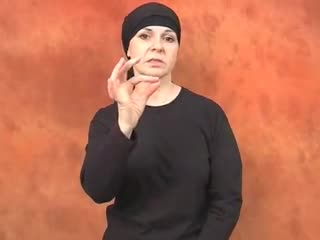
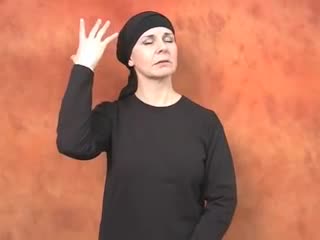
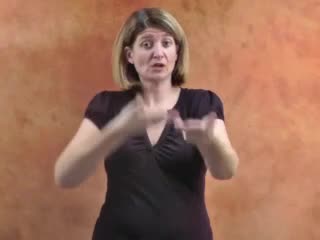
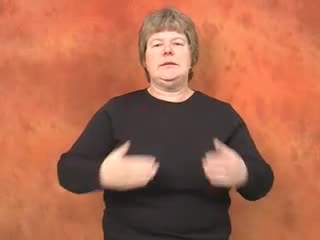
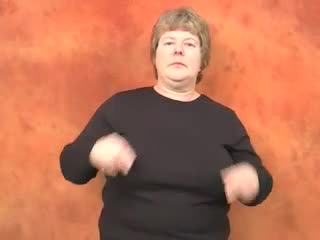
The BSL sign for try is a wonderfully direct and active verb, conveying the essence of putting forth effort or making an attempt. It’s about engaging with a task or situation, whether you’re confident of success or not. This sign doesn’t just mean a tentative effort; it carries a sense of purpose, of "giving it a go."
You'll find this sign used across a multitude of contexts, from encouraging someone to try a new activity, to describing your own attempts at a challenging task, or even suggesting an experimental approach. Its versatility makes it a cornerstone of everyday BSL conversation, allowing you to express initiative, perseverance, and exploration.
What makes this sign particularly noticeable is its inherent energy. The forward push isn't passive; it suggests a proactive engagement, an outward extension of will. It's a sign that embodies the spirit of action, indicating that an individual is mentally and physically preparing to undertake something.
When This Sign Feels Natural
This sign feels most natural in conversational BSL when you're discussing plans, offering encouragement, or narrating personal experiences involving effort. Imagine a friend hesitating to join a new club; signing "try" here is a warm invitation to step out of their comfort zone. Or, if you’re sharing a story about learning a difficult skill, you’d use "try" to convey your repeated efforts.
The register of this sign is generally informal to semi-formal, making it suitable for most daily interactions within the Deaf community. It conveys a supportive, determined, or sometimes even a slightly questioning tone, depending on your accompanying facial expression. It's perfectly at home in a casual chat about weekend plans or a more serious discussion about overcoming obstacles.
However, there are moments when "try" might not be the precise word you need. If you're referring to sampling food, the BSL sign for "taste" would be more appropriate. Similarly, if you're talking about rigorous testing or an examination, distinct signs for "test" or "examine" exist. The BSL sign for try is specifically about the act of making an effort or attempting something, not necessarily the sensory experience or a formal evaluation.
What Learners Usually Miss
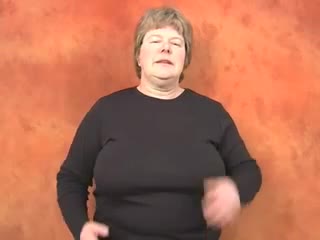
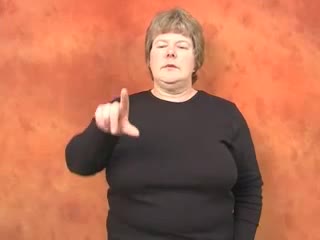
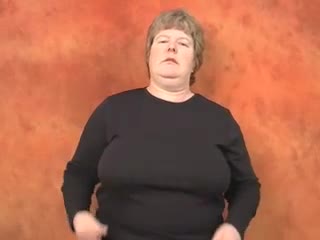
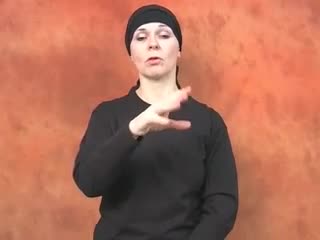
One common area where learners often miss the mark with the BSL sign for try is the precision of the handshape. It’s not just any fist. The dominant hand forms a firm fist, but critically, the thumb rests *across* the fingers, not tucked inside. This specific detail gives the sign its distinct visual identity. A loose fist or an incorrectly placed thumb can make the sign less clear, potentially causing confusion or making it look like a different sign entirely.
Another subtle but important aspect is the movement and location. The push forward should originate from the dominant shoulder or chest area, moving with a clear, deliberate trajectory. Some learners might make the movement too small, too weak, or in an incorrect direction, like downwards. The repetition of the movement is also key if you want to convey "keep trying" or "try hard," but even a single, firm push carries the core meaning of trying once.
Finally, learners sometimes overlook the crucial role of facial expression. While the handshape and movement are core, the intention behind "try" is often conveyed through your face. A determined brow, a slight smile of encouragement, or a questioning look can significantly alter the nuance of the sign. Without an appropriate facial expression, the sign can appear flat or ambiguous. Remember to match your facial expression to the specific context and emotion of your attempt.
A Simple Way to Remember It
To help the BSL sign for try stick in your mind, think about the physical action it represents and how that connects to the meaning of making an effort. It’s a very visual and kinetic sign.
- The Push of Initiative: Imagine you’re literally pushing an idea or yourself forward, initiating an action. The sign’s movement from your body outwards feels like you’re taking the first step or putting something into motion.
- A Fist of Resolve: The firm fist with the thumb across the fingers can symbolise determination or resolve. You’re not just passively thinking about something; you’re bracing yourself to tackle it, embodying the will to "give it a go."
- "Having a Stab": This common British idiom for trying something new or difficult fits the energetic, forward thrust. It’s like you’re making a focused, direct attempt at something, putting your energy into that single action.
Short Practice Situations
- I'm not sure if I can do it perfectly, but I'll definitely try.
- Why don't you try learning a new BSL sign every single day this week?
- The recipe is quite complicated, but let's try to make that cake tonight.
- If you keep trying and don't give up, you'll eventually succeed with that challenge.
- I'm going to try to explain this complex concept in a completely different way now.
Signs to Learn Next
- DO / MAKE: Often, when you "try," you're trying to "do" or "make" something. Learning this sign helps complete the action you're attempting.
- CAN / ABLE: These signs frequently accompany "try," as you might ask, "Can I try?" or state, "I tried, but I wasn't able to." They relate directly to the possibility and outcome of your efforts.
- EFFORT / WORK (verb): The act of trying inherently involves effort. This sign helps you express the intensity or dedication behind your attempt.
- SUCCEED / ACHIEVE: These are the positive outcomes of a successful "try." Understanding them allows you to discuss the results of your hard work.
- FAIL: The opposite of success, and an equally important concept when discussing attempts. Learning this helps you talk about setbacks and learning from them.