What This Sign Means in BSL
The BSL sign for do is one of those foundational verbs that you’ll find yourself using all the time. At its heart, it represents the general idea of performing an action, carrying something out, or simply being engaged in an activity. Think of it as your go-to sign when you need a versatile verb to describe an action without getting too specific, or when the specific action is already clear from context or other signs.
What makes "do" particularly interesting is its adaptability. It isn't just about initiating an action; it can also refer to the ongoing process or the completion of one. It’s a workhorse of a sign, providing a framework for countless expressions, often relying on the signs around it and your facial expression to convey the full meaning. Mastering this sign early on will unlock a lot of communicative power in your BSL.
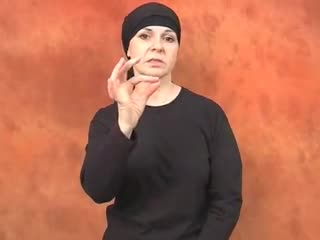
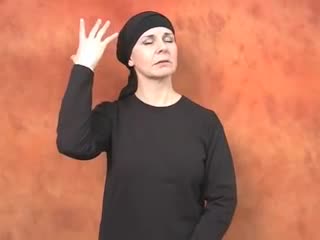
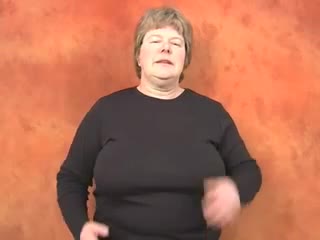
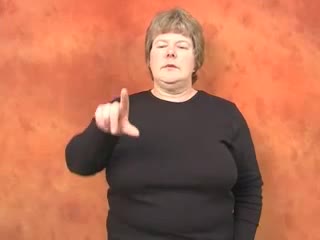
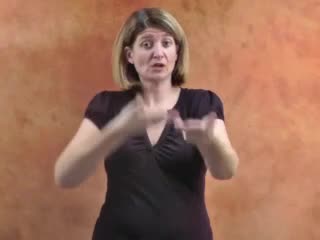
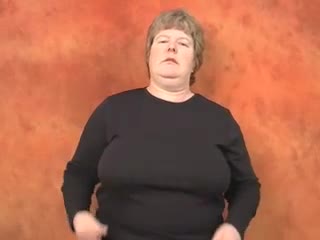
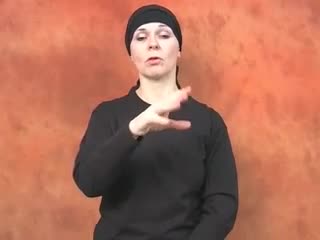
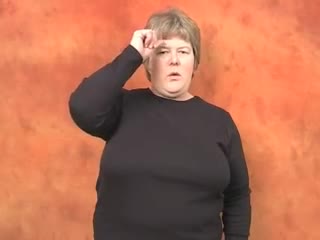
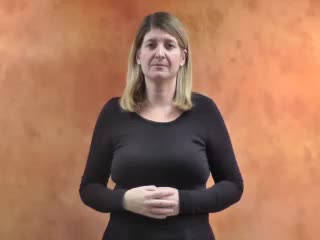
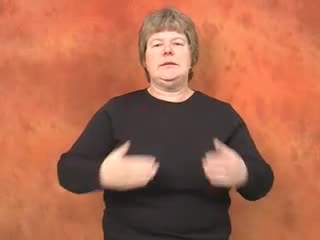
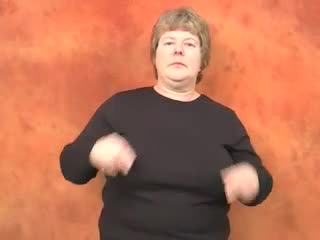
You’ll notice the closed fist handshape, with the thumb typically resting against the side of the index finger, moving forward and down in a small, controlled arc. This precise, contained movement suggests a deliberate yet general execution of a task, rather than a wild or expansive action. It’s a clean, crisp sign that forms a key part of many BSL sentences.
When This Sign Feels Natural
This sign feels most natural when you're discussing general activities, asking open-ended questions about what someone is engaged in, or confirming capability. For instance, if you want to ask, "What are you doing this weekend?" or "Can you do that for me?", the sign "do" is perfectly suited. It’s a neutral, polite, and universally understood way to refer to actions in BSL, making it suitable for almost any social context, from casual chats with friends to more formal discussions.
You’ll find "do" slots in beautifully when the context already implies a specific action, or when you’re contrasting general activity with inaction. For example, if you've just signed "HOMEWORK", adding "DO" after it clearly means "to do homework." It saves you from needing a unique sign for "to homework" and instead leverages the general verb. This efficiency is a hallmark of natural BSL communication.
However, it’s important to recognise when a more specific verb is a better choice. While "do" is versatile, BSL often prefers precision. If you’re talking about "eating," you’d typically use the sign for "EAT" rather than "do eating." Similarly, "READ" is usually preferred over "do reading." Use "do" when there isn't a readily available specific verb, or when the general nature of the action is precisely what you want to convey. It's about finding the right balance between generality and specificity.
What Learners Usually Miss
One common pitfall for learners is not fully appreciating the role of context and non-manual features (NMFs) – especially facial expressions – when using the BSL sign for do. Without appropriate facial grammar, the sign can appear flat or ambiguous. For example, signing "DO" with a questioning eyebrow raise and a slight head tilt transforms it into "What are you doing?" or "Are you doing it?". Without those NMFs, it just remains a statement of "do". It’s the difference between asking a question and merely stating a verb.
Another subtle point often missed is the nuance between "do" and other signs that might seem similar, like "WORK" or "MAKE." While "do" is about executing an action, "WORK" implies sustained effort, a job, or employment. "MAKE" often refers to creating or producing something. A learner might overgeneralise "do" for situations where "WORK" or "MAKE" would be much more natural and precise. Always consider if the action involves creation or sustained effort before defaulting to "do."
Finally, learners sometimes overuse "do" as a direct translation from spoken English, where "do" serves many grammatical functions (e.g., "Do you like it?"). In BSL, many of these functions are conveyed through NMFs, word order, or other specific signs. For instance, "Do you like it?" in BSL wouldn't use the sign "do" but rather "LIKE YOU?" with the appropriate questioning facial expression. The key is to think in BSL concepts, not direct word-for-word translations, and understand that "do" in BSL is primarily an action verb, not a grammatical auxiliary.
A Simple Way to Remember It
To really cement the BSL sign for do in your memory, try to connect its physical form to the feeling of purposeful action. Imagine you’re gently nudging something forward, initiating an activity with a clear, small movement. It's not a grand gesture, but a focused, controlled start to getting something done.
- The Closed Fist: Think of it as a hand ready for action, a compact unit of intention. It’s like clenching your resolve to do something, keeping your focus tight.
- Forward and Down Arc: Visualise this movement as literally taking an idea or task and bringing it into reality, pushing it out from yourself and into the "doing" space. It’s the path from thought to execution.
- Neutral Space: The sign happens in front of your body, not touching anything specific. This highlights its general nature – it’s a universal "do," not tied to a particular object or location, making it applicable to anything you might do.
Short Practice Situations
- Imagine you’re planning your day: "What are you going to do today?"
- Someone asks for a favour: "Yes, I can definitely do that for you."
- You’re discussing habits: "I usually do my exercises in the morning."
- Suggesting an activity with friends: "Let's do something fun together this evening."
- Checking on a task: "Have you done that report yet?"
Signs to Learn Next
- WORK: This sign is often confused with "do" due to a similar handshape, but "WORK" typically involves two fists tapping together or a more sustained, back-and-forth motion, implying effort, a job, or employment. Learning "WORK" helps distinguish general action from specific labour.
- MAKE / CREATE: While "do" can sometimes imply creation, the sign for "MAKE" or "CREATE" (often using a twisting or joining motion) specifically refers to the act of producing something new. Understanding this distinction prevents overusing "do" when creation is the focus.
- CAN / ABLE: Often used in conjunction with "do" (e.g., "Can you do it?"). Learning "CAN" (a single upward movement of the index finger) helps you construct sentences expressing capability and asking about what someone is able to accomplish.
- FINISH / DONE: This sign (flat hands sweeping outwards) is crucial for indicating the completion of an action. After you "do" something, you eventually "FINISH" it, so these two signs naturally complement each other in narratives.
- ACTION: While "do" is a verb, "ACTION" (often a shaking 'A' handshape) refers to the noun – a deed or an activity. Understanding this helps you talk about "actions" in general, rather than just the act of "doing."