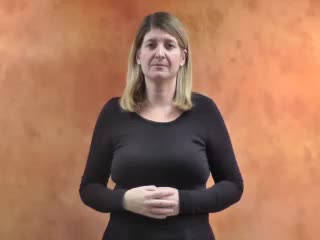
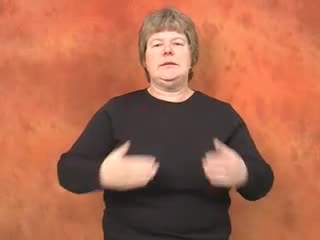
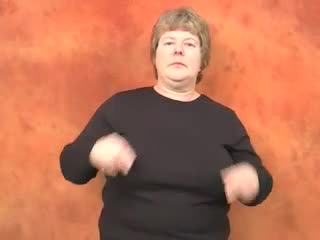
What This Sign Means in BSL
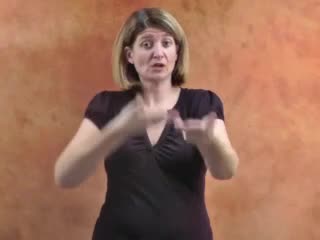
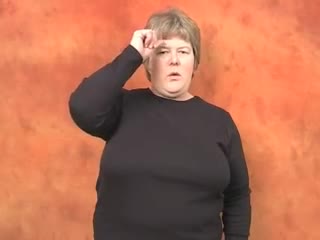
The BSL sign for "bring" is a wonderfully direct and intuitive verb, encapsulating the action of moving an item from one place to another, specifically *towards* the signer or a designated recipient. It's one of those foundational signs that really helps you grasp the concept of directionality in BSL. Imagine someone physically moving an object from a point in front of them to their own body or the body of the person they're addressing; that's the essence of "bring."
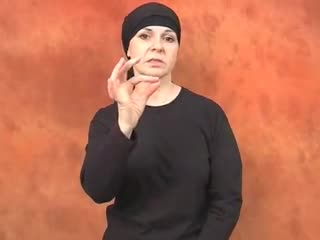
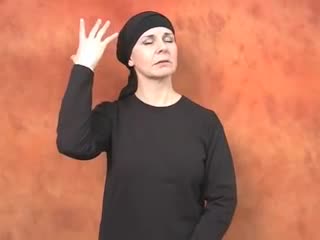
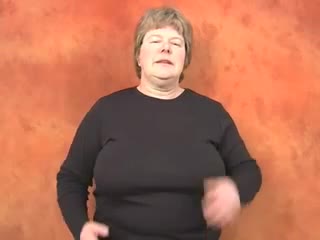
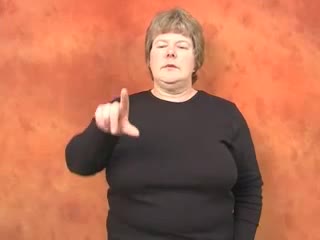
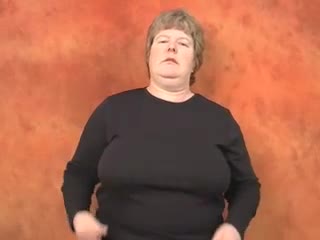
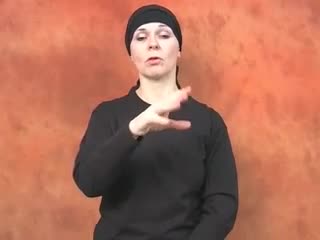
This sign uses a flat hand, often with the palm facing upwards or inwards, as if you're gently supporting or carrying an object. The movement itself is a graceful arc, starting out in front of the body and sweeping back towards the chest or torso. This arc isn't just aesthetic; it visually represents the journey of the item arriving. It’s a very practical sign, used frequently in everyday communication to request, describe, or instruct about moving objects.
What makes this sign particularly valuable is its clarity. When you see someone sign "bring," there's no ambiguity about the direction of the movement. It’s always about an item approaching or being delivered to a specific point. This clear vector makes it easy to understand in context and sets it apart from related actions like "take" or "send," which involve movement away from the signer.
When This Sign Feels Natural
You'll find yourself reaching for the BSL sign for "bring" in a multitude of everyday scenarios. It feels entirely natural when you're asking a friend to pass something to you, like "Can you bring me that book?" or "Please bring the remote." It’s also perfect for describing past actions, such as "Yesterday, my neighbour brought me some fresh vegetables from her garden." The sign carries a very conversational and common tone, fitting seamlessly into most social registers.
This sign is especially useful when the focus is on the object arriving at a specific destination, often "here" or "to me/us." Consider a situation where you're setting up for a party and need various items in one spot; you might ask people to "bring the chairs over" or "bring the food to the kitchen." It's less about the journey itself and more about the successful arrival of the item.
However, it's worth noting when you might choose an alternative. If the action involves going somewhere to retrieve an item and then returning with it, you might lean towards a sign like "fetch." If the movement is more about delivering something formally or to a specific location without the personal "to me" implication, signs related to "deliver" might be more appropriate. The BSL sign for "bring" shines when the core meaning is simply moving something closer to a person or a central point.
What Learners Usually Miss
One of the most common pitfalls learners encounter with the BSL sign for "bring" is getting its directionality mixed up. Because many signs in BSL are directional, it’s easy to accidentally reverse the movement and sign "take" instead of "bring," or vice-versa. Remember, "bring" *always* moves *towards* the signer or the person being referred to. If the sign moves away from you, you’re likely signing something else entirely. Pay close attention to the starting point (forward) and the ending point (near your chest/torso) to ensure the correct direction.
Another subtle but important detail is the quality of the movement. The sign for "bring" involves an *arcing* motion, not a straight pull. Think of it like a gentle sweep, mirroring how one might naturally carry or present something. Learners sometimes make the movement too stiff or too short, losing that natural, flowing quality. Practicing the full, smooth arc will make your sign clearer and more fluent. It's not just about the destination, but the graceful journey there.
Finally, while the handshape (flat hand, palm up or inwards) is fairly consistent, learners sometimes forget to maintain this orientation throughout the arc. The hand should remain relatively stable, representing the object being carried. Don't let your wrist twist or hand rotate excessively during the movement. And while a strong facial expression isn't always needed for this basic verb, remember to incorporate questioning eyebrows if you're asking "Can you bring...?" or a more assertive look if it’s a command. These small nuances significantly enhance the clarity and naturalness of your signing.
A Simple Way to Remember It
To help solidify the sign for "bring" in your memory, try to visualise the action itself as a very literal representation. Imagine you are actually moving something from a distance right into your personal space. The flat hand shape is perfect for holding or presenting, and the arc towards your body is the direct path of arrival.
Here are a few memory hooks:
- Imagine you are carrying a tray of drinks, with your palm up, carefully bringing them towards yourself or a waiting guest.
- Think of presenting a gift or an offering, where your hand sweeps forward and then gracefully back towards the recipient, signifying the item's arrival.
- Recall the feeling of someone saying "Come *here* with that," and let the sign’s motion embody that direct, inward movement.
Short Practice Situations
- "Could you bring the remote control over here, please? I want to change the channel."
- "My friend always brings delicious homemade bread to our weekly coffee mornings."
- "Please remember to bring your fully charged laptop to the meeting tomorrow morning."
- "The delivery driver will bring our new furniture to the house sometime this afternoon."
- "I need to bring my library books back by Friday, or I’ll get a fine."
Signs to Learn Next
- TAKE: This is the natural counterpart to "bring." While "bring" moves towards, "take" moves away from the body or a specific person. Understanding both helps solidify the concept of directionality.
- GIVE: Often shares a similar flat handshape but typically moves outwards from the signer, indicating transfer or offering. Learning "give" alongside "bring" helps you differentiate between inbound and outbound transfers.
- CARRY: This sign focuses more on the act of holding and transporting an object, sometimes over a distance, without the strong "to me/to you" implication of "bring." It often uses a similar handshape, making it a good sign to compare.
- FETCH: While related, "fetch" implies going to retrieve something and then returning with it. "Bring" is simply the movement of the item arriving, whereas "fetch" involves the full round trip.
- SEND: This sign also involves moving an item away, but often implies a more formal or directed dispatch, like sending a letter or a package. Comparing it to "bring" reinforces the concept of intentional movement in different directions.