Speed
0
Practice reps times watched

Create a free account to keep your watch history and review plan.

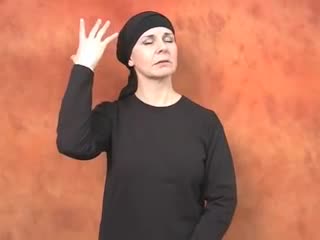
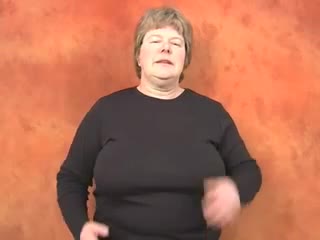
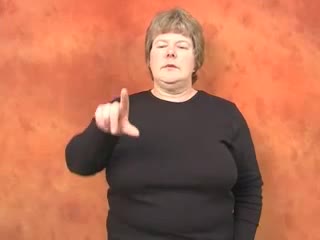
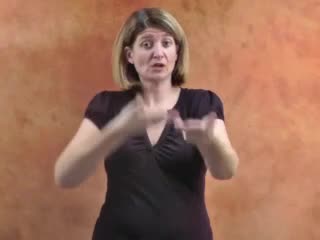
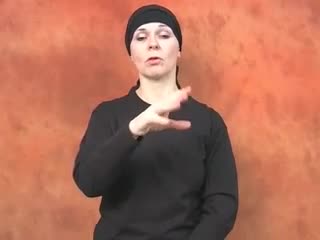
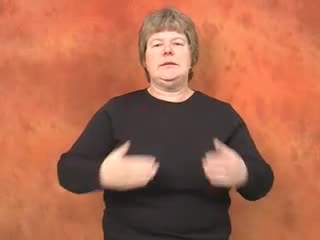
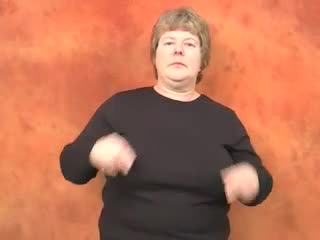
Best practice Use mirror mode, then watch the frame breakdown below to catch the start, movement, and finish cleanly.
Video via SpreadTheSign  - Free educational resource BSL
Updated April 26, 2026
British Sign Language (BSL) 🟢 Beginner 📊 A1 ⚡ Very Common Verb

listen

To perceive sound with the ear; to pay attention to sound

Source-linked video Step-by-step guide Context and safety notes
Synonyms
Hear pay attention attend
Antonyms
Ignore disregard
Difficulty
Not rated yet

Create a free account to save this sign, keep your watch history, and unlock a one-note journal preview.

How to sign it
Handshape
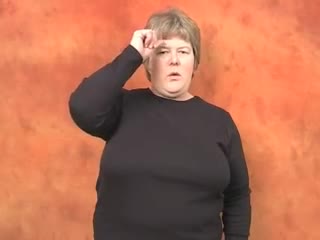
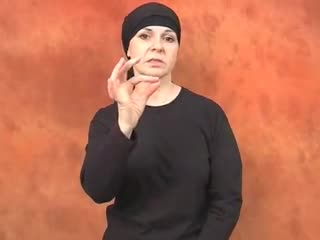
Index finger extended, other fingers curled, thumb touches side of middle finger
Location
Near the ear
Movement
Repeated small tap or brush of index fingertip near the ear
Palm Orientation
Towards ear
Facial Expression
Concentrated facial expression, slight head tilt
🔁 Spaced Review Try it free

How well do you know this sign?

LISTEN
Your Progress Live
🌱
Level 1 · BSL Beginner +0 XP today
This sign Not learned yet
0 watches
Mastery 0%
Confidence
How well do you know this sign?
0 🔥 Streak
0 Signs seen
0 Learned
0 Watches
📖 Vocabulary health 🔒 Log in to see score
0 Mastered
0 Confident
0 Practicing
0 Just seen

Create a free account to keep your vocabulary score between sessions

7-day activity 0 of 7 active

Register free to sync activity across devices

Watch signs to see your history here

Tracking locally for now. Create a free account to save your progress and sync across devices.
Free gets you started. Paid adds the repeat-learning layer: review queues, deeper notes, compare mode, and better comeback tools.
My Sign Journal
Personal notes, saved to your account forever
Locked

Write memory tricks, usage examples, and cultural reminders beside each sign. Create a free account to unlock your first saved note preview on this page.

Create free account Already have an account? Log in

What This Sign Means in BSL

The BSL sign for listen is a truly foundational piece of communication, directly representing the act of paying attention to sound. It's not just about sound waves physically entering your ear, but the active mental engagement that follows. When you sign "listen," you're conveying an intention: to process, understand, or simply register what's being heard.

Think of it as turning your internal "audio receiver" on and directing it towards a source. The simple, direct movement of your index finger tapping near your ear makes this sign incredibly intuitive and universally understood within the BSL community. It beautifully captures the focused nature of listening, distinguishing it from merely "hearing" something passively.

This sign carries a natural weight of responsiveness. It can be a gentle request, an affirmation of engagement, or even a descriptive action. Its clarity makes it a go-to sign in countless conversational settings, underpinning much of our day-to-day interactions.

When This Sign Feels Natural

You'll find the sign for "listen" feels natural in a wide array of situations, from the everyday to moments needing specific attention. It's perfect when you're asking someone to give you their ear, perhaps to an important instruction or a story you're sharing. "Please listen to me," or "Are you listening?" are classic scenarios where this sign shines.

It also fits beautifully when you're describing your own actions or those of others. Imagine telling a friend, "I was listening to music all afternoon," or observing, "She always listens carefully during meetings." Its versatility means it effortlessly bridges informal chats and more structured discussions, always signaling that active auditory engagement is occurring or being requested.

While often used for speech, don't limit it! You can use it to refer to listening to birdsong, the radio, or even the sound of rain. The key is that the recipient of the sign, or the person being described, is actively directing their attention to an auditory input. It’s a sign that expresses an intent to perceive, making it applicable whenever focused sound reception is the core idea.

What Learners Usually Miss

One common snag for learners is truly distinguishing "listen" from the sign for "hear" in BSL. While both involve sound, "listen" implies a conscious, intentional effort, whereas "hear" can be more passive or accidental. Think of it this way: you might hear a dog bark from afar without actively trying, but you listen to a podcast with purpose. The repeated, gentle tapping motion for "listen" really reinforces this ongoing, intentional engagement.

Another subtle point often overlooked is the lightness and rhythm of the movement. It’s a soft, repeated tap or brush of the index fingertip near the ear, not a firm poke or a single, sharp jab. A strong, singular movement might convey something else entirely. Practice making the motion gentle and continuous, almost like an internal reminder to keep focusing your ear. It should feel natural and effortless, reflecting the smooth flow of sustained attention.

Finally, don't forget the power of facial expression with this sign. While the handshape and movement are clear, the face adds crucial nuance. An attentive, neutral expression usually accompanies "I'm listening." If you’re asking someone to listen intently, a slightly furrowed brow or an expectant look can enhance the message. Conversely, a relaxed face might suggest listening to music for pleasure. A flat, unexpressive face can make the sign feel robotic and less engaging, so let your natural reactions to listening shine through.

A Simple Way to Remember It

To remember the BSL sign for listen, connect its physical form directly to the act itself. Imagine your index finger is a little antenna, reaching out or drawing attention to the very organ that performs the listening. The repeated motion reinforces the idea of sustained attention, like you're gently reminding your ear, "Stay engaged!"

  • The "Pointing" Finger: Your extended index finger is often used to point to things, and here it’s pointing right at the source of sound input – your ear. It’s a direct visual cue for where the action is happening.
  • The Gentle Tap: The soft, repeated tap or brush near your ear can be thought of as gently "activating" or "checking in" with your listening ability. It’s not aggressive, but a steady, persistent motion.
  • The Location: Placing the sign right by the ear is brilliantly iconic. There’s no ambiguity about what sense you’re engaging. It’s a clear, universal symbol for focusing on auditory information.

Short Practice Situations

  • When your friend is telling a story, you might sign "I'm listening" to show you’re engaged and following along.
  • If a teacher is giving instructions, you might sign "Please listen carefully" to the class before they begin.
  • Imagine you're relaxing at home; you could sign "I'm just listening to the radio" to explain your activity.
  • In a group discussion, you might encourage someone to "Listen to what they're saying" to ensure everyone's perspective is heard.
  • During a quiet moment, you could sign "Do you hear that? Listen to the birds outside."

Signs to Learn Next

  • HEAR: It’s absolutely essential to learn this sign alongside "listen" to grasp the crucial distinction between passive sound perception and active, intentional auditory engagement.
  • ATTENTION / FOCUS: These signs are closely related because listening often requires you to direct your attention and focus your mind. Learning them helps express different shades of mental engagement.
  • UNDERSTAND: What's the goal of listening? Often, it's to understand. Connecting "listen" with "understand" helps you express the full communication loop, from input to comprehension.
  • SOUND: This sign describes the very thing you're listening to. Whether it's music, noise, or speech, "sound" is the object of your listening, making it a natural follow-on.
  • TALK / SPEAK: Listening is one half of a conversation. Learning the sign for "talk" or "speak" helps you complete the dialogue, showing how we exchange information back and forth.

🤖 AI Learning Guide for "listen"

The BSL sign for "listen" uses the index finger near the ear, tapping or brushing repeatedly, signifying active auditory attention

🎯 Practice Challenge

Practice the handshape and repeated movement near your ear

⚠️ Most Common Mistake

Ensure index finger is extended, movement is light, repeated, and near the ear

👐 How to Sign "listen" in British Sign Language (BSL) (Quick Answer)

Follow these steps to sign listen correctly in British Sign Language (BSL):

  1. 1 Form 1-handshape with index finger extended
  2. 2 Place index fingertip near your ear
  3. 3 Tap or brush fingertip lightly
  4. 4 Repeat movement 2-3 times

Tip: Watch the video above while following these steps for best results.

🤚 Sign Profile

🤚
Handshape
Index finger extended, other fingers curled, thumb touches side of middle finger
🔣
Handshape Code
1-hand
Dominant Hand
Right
🙌
Hand Count
One-handed
📍
Location
Near the ear
↗️
Movement
Repeated small tap or brush of index fingertip near the ear
🔄
Movement Type
Repeated
👆
Contact
Tap
👋
Palm Orientation
Towards ear

😊 Non-Manual Features

Facial expressions and body language are grammatically essential in British Sign Language (BSL) - not optional!

😊
Facial Expression
Concentrated facial expression, slight head tilt
🙆
Eyebrows
Neutral
👁️
Eye Gaze
At referent
🙂
Head Movement
None
👄
Mouth Morpheme
pft, mm
🕴️
Body Shift
Slight forward lean possible

📖 Grammar & Linguistics

Part of Speech Verb
Transitivity Both
Inflection Yes
Classifier Usage N/A
Role Shift No

🎓 Learning Context

📌 When to Use: Requesting attention, indicating active hearing, or showing comprehension
⚠️ Common Mistake: Incorrect handshape, wrong location, too aggressive movement
🚫 When NOT to Use: When the context is 'overhear' or 'accidentally hear', use HEAR
Context Tags
Auditory communication attention

🧪 Practice Lab

Use these tiny checks right after watching the video. Fast feedback is what turns recognition into recall.

Meaning check

Which word matches the sign you just watched?

Usage check

Where would this sign fit most naturally?

Confidence check

How do you feel about listen right now?

Pick one so SignDeaf can shape the rest of your session around how this sign actually feels.

🧭 Scenario Drill

One sign gets remembered faster when you attach it to real situations. Try these quick scene prompts.

Work

Stretch practice

Use this sign in a short workplace sentence or meeting exchange.

Family

Stretch practice

Try signing this while talking about family life or something at home.

School

Stretch practice

Imagine teaching this sign to a classmate or using it in a lesson.

Doctor

Stretch practice

Practise it in a healthcare conversation where clarity matters.

Travel

Stretch practice

Use it in a travel scenario like asking for help or directions.

💬 Example Usage

1.[en] Listen to me! / BSL:[Sign LISTEN strongly] | 2.[en] I listened to music. / BSL:[I LISTEN MUSIC] | 3.[en] Please listen carefully. / BSL:[PLEASE LISTEN CAREFUL]

1.[en] Listen to me! / BSL:[Sign LISTEN strongly] | 2.[en] I listened to music. / BSL:[I LISTEN MUSIC] | 3.[en] Please listen carefully. / BSL:[PLEASE LISTEN CAREFUL]

When to use it

Requesting attention, indicating active hearing, or showing comprehension

When not to use it

When the context is 'overhear' or 'accidentally hear', use HEAR

Register

Neutral

🌍 Cultural Context

Direct eye contact often accompanies, showing engagement

🗺️ Regional Variations

Minor variations exist but core meaning is consistent

⚖️ Similar Signs - What's the Difference?

This sign listen
VS
Similar signs Look closely
The sign for LISTEN (repeated tap near ear) implies active attention. This contrasts with HEAR, which is often a single, lighter touch or movement directly to the ear, signifying passive auditory perception. MUSIC uses a similar 1-handshape but a distinct circular movement near the ear

📝 Usage Notes

Can be inflected for intensity or duration by varying movement

🏷️ Tags

Handshape

Keywords

💡
Did you know?
In BSL, non-manual features (facial expressions, mouthing) are as important as the hand movements.

📚 Explore More British Sign Language (BSL) Signs

Keep building your British Sign Language (BSL) vocabulary - explore signs by category or browse the full dictionary.