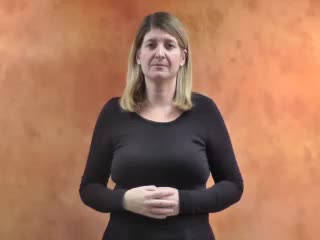
What This Sign Means in BSL
The BSL sign for steal is a direct and impactful verb, communicating the act of taking something belonging to another person without their permission. It doesn’t carry much nuance beyond this core meaning in its most common usage; it's about the illicit acquisition of property. When you see or use this sign, you’re conveying a straightforward message about an item being unlawfully removed from its rightful owner.
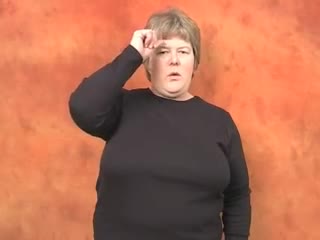
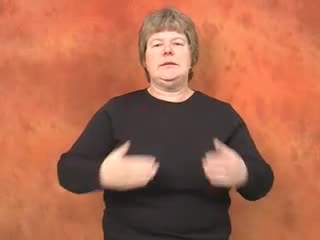
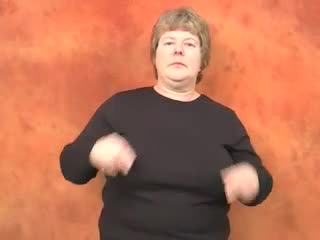
What makes this sign particularly noticeable is the decisive, almost abrupt nature of its movement. It isn't a gentle motion, but a quick, sharp pull that mirrors the suddenness of theft. This quality helps to distinguish it from more neutral signs like "take" or "receive," immediately signalling the negative connotation associated with the action.
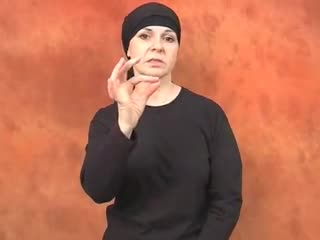
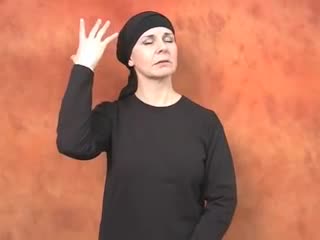
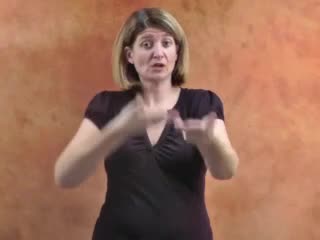
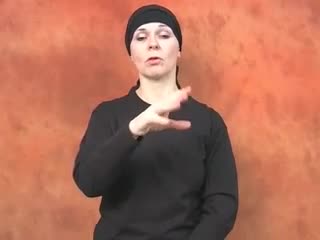
The handshape itself, a dominant V-hand bent at the knuckles, is quite specific. It can feel like your fingers are reaching in and quickly snatching something. This visual and kinesthetic connection makes the sign memorable and ensures that when it’s used, its meaning is clear and unambiguous in the context of BSL communication about possession and ownership.
When This Sign Feels Natural
You’ll find the BSL sign for steal feels most natural in conversations where the direct act of theft is being discussed. This could be in serious contexts, like reporting a crime to the police, discussing news about a burglary, or explaining that an item you owned has gone missing. Its seriousness means it’s not a sign you’d typically use in lighthearted chatter unless you’re making a very specific, often ironic, point about taking something quickly.
It’s important to recognise that this sign is specifically about taking something that isn't yours, with the implication that it will not be returned. Therefore, it’s the appropriate sign when you mean to convey an unlawful or unethical taking. If you’re discussing something borrowed, or a general "taking" where permission is implied or irrelevant, you’d opt for different signs that carry those specific nuances.
Consider your audience and the register of your conversation. While the sign itself is generally neutral in terms of formality, the topic of theft naturally brings a certain gravity. Using it in a casual or inappropriate context could be jarring or misunderstood, so always ensure it aligns with the seriousness and intent of your message.
What Learners Usually Miss
One of the most common oversights learners make with the BSL sign for steal involves the precise handshape and the quality of the movement. It’s not just any V-hand; your knuckles should be distinctly bent, almost as if your index and middle fingers are poised to hook something. A flat V-hand, or a relaxed V, won't convey the same meaning and might even be confused with other signs, so pay close attention to that bend.
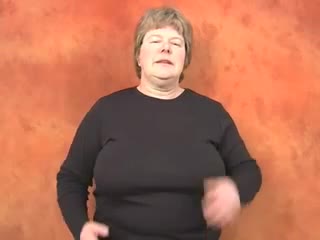
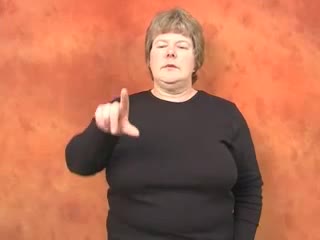
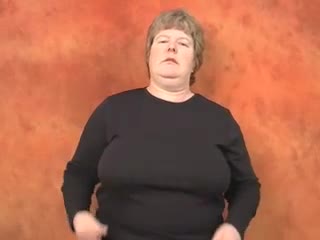
The movement isn't a gentle retrieve; it's a quick, sharp, and decisive pulling motion. Imagine the suddenness of snatching something. This quickness and force are integral to the sign’s meaning. If your movement is too slow or too soft, you might lose the critical implication of illicit taking. Practise making that pull sharp and immediate, starting near your non-dominant forearm or chest and moving away with purpose.
Another area where learners sometimes miss the mark is in context. The BSL sign for steal is quite literal. Avoid using it for English idioms like "steal a kiss," "steal the show," or "steal someone's thunder." BSL has its own rich idiomatic expressions, and these concepts would be conveyed through entirely different signs or descriptions. Stick to the literal meaning of taking property unlawfully to ensure you're understood correctly.
A Simple Way to Remember It
To help this sign stick in your memory, think about the action it visually represents and the feeling it evokes. The combination of the bent V-hand and the sharp pulling motion makes it quite intuitive once you connect the dots.
- The Grabbing Fingers: Imagine your bent V-hand as two fingers reaching out quickly to grab something. The bent knuckles give the impression of hooking or snatching, rather than a flat, open hand taking something gently.
- The Act of Taking Away: The movement is a clear, definitive pull away from your body or the non-dominant hand. This perfectly visualises the act of removing an item from someone else's possession and taking it for yourself.
- Sharpness Signifies Illicit: The quick, sharp quality of the movement isn’t just about speed; it conveys the often sudden, uninvited, and illicit nature of theft. It's not a slow, deliberate action, but a rapid and decisive one, reflecting the act of stealing.
Short Practice Situations
- Try signing, "Someone tried to steal my bike last night, but they didn't succeed."
- Imagine you’re reporting a loss: "My wallet was stolen from my bag while I was out."
- Discussing a news story: "The headlines reported that valuable artwork was stolen from the gallery."
- Expressing a moral stance: "I believe that stealing is always wrong, no matter the reason."
- Asking a direct question: "Did you see anyone steal the car from the car park?"
Signs to Learn Next
- BORROW: This is an excellent sign to learn alongside "steal" because it represents the complete opposite concept – taking something with permission and the intent to return it. Practising both helps solidify the distinction.
- TAKE: While "steal" is a specific form of taking, the general sign for "take" is much broader. Understanding "take" helps you appreciate the added nuance and specific intent conveyed by "steal."
- CRIME / OFFENCE: "Steal" falls under this larger category. Learning "crime" helps you contextualise theft within the broader framework of unlawful actions, allowing for more comprehensive discussions.
- MONEY: Often, what's stolen is money. Knowing the sign for "money" allows you to immediately specify the object of the theft in many common scenarios.
- POLICE: Unfortunately, the police are often involved when something is stolen. Learning this sign will be practical for discussing reporting theft or the aftermath of a crime.