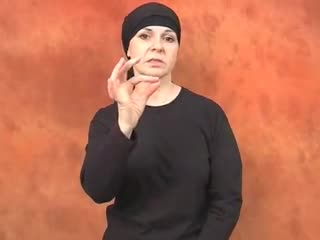
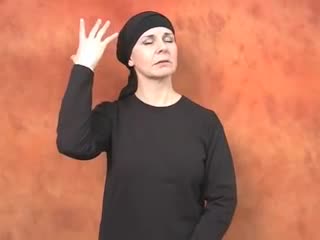
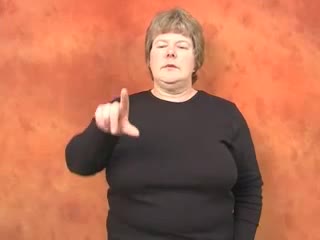
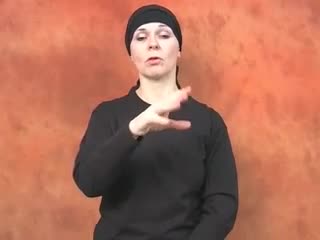
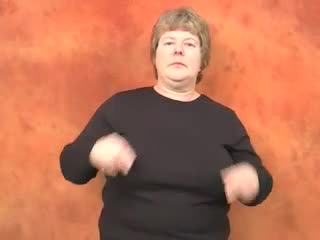
What This Sign Means in BSL
The BSL sign for argue is much more than just two people talking at each other with differing opinions. It vividly captures the essence of a heated dispute, a confrontation where ideas or wills clash. Imagine two forces pushing against each other, each trying to assert dominance or gain ground. The dynamic, alternating movement of the hands perfectly embodies this back-and-forth tension, suggesting a struggle to make one's point heard and accepted.
This sign inherently carries a sense of contention, often implying a degree of frustration or strong emotion. It’s not a gentle disagreement, nor is it a calm discussion. When you see or use this sign, you should feel the energy of a verbal skirmish, a passionate exchange where resolution might not be immediately in sight. It’s a core sign for expressing conflict and disagreement in a very direct, visually impactful way within the BSL community.
What makes this sign particularly potent is its ability to convey the *process* of arguing. It’s not just the outcome, but the act of sparring with words. The repetition of the movement suggests an ongoing, perhaps even prolonged, disagreement rather than a single instance of objection. It’s a foundational sign for discussing human interactions when opinions diverge forcefully.
When This Sign Feels Natural
You’ll find the BSL sign for argue feels most natural when describing situations where there’s genuine friction between individuals or groups. Think about those family gatherings where political views inevitably lead to raised voices, or when colleagues are passionately debating the best strategy for a project, each firm in their conviction. This sign fits perfectly when recounting a specific incident where an argument took place, or when generalising about people who tend to be argumentative.
It’s often used in everyday storytelling, whether you’re sharing gossip about neighbours, explaining a workplace issue, or simply describing a scene from a film. The sign carries an informal to semi-formal register, making it versatile for most conversational contexts among BSL users. It’s a go-to sign when you want to clearly communicate that a disagreement wasn't just a slight misunderstanding, but a full-blown verbal tussle.
However, it’s important to recognise when a different sign might be a better fit. If the conversation is calm, structured, and aimed at finding common ground, you'd likely opt for a sign like DISCUSS. If it’s merely a difference of opinion without much heat, DISAGREE might be more appropriate. Choose "argue" when the intensity and the push-pull dynamic of conflicting viewpoints are central to what you want to convey.
What Learners Usually Miss
One common oversight for new learners is mistaking the rhythm and intensity. The movement isn't a gentle back-and-forth; it often has a slightly sharper, more emphatic quality, reflecting the emotional tension. Each hand's forward thrust should feel like a point being made, a challenge or a counter-argument. If your movements are too soft or too smooth, the sign might lose its argumentative edge and could easily be misinterpreted as a calm discussion or even an explanation.
Another crucial element often missed is the vital role of facial expression. Without an appropriate, tense, or slightly frustrated facial expression, the sign can appear neutral, even robotic. Your eyebrows might be slightly furrowed, your lips perhaps pursed or subtly tightened. The face is where the emotion of the argument truly resides, bringing the sign to life and communicating the level of intensity. Remember, in BSL, the face is an integral part of the grammar and meaning, not just an accessory.
Learners also sometimes over-utilise this sign. Not every difference of opinion warrants the full "argue" sign. Consider the context: is it a minor squabble, a deep-seated dispute, or simply a polite disagreement? Using "argue" for every minor point of contention can make your signing seem overly dramatic. Practice modulating the intensity with your movement and facial expression, and be ready to choose less confrontational signs when the situation calls for it.
A Simple Way to Remember It
Imagine two people standing opposite each other, each trying to push their point forward, metaphorically using their flat hands to represent their strong opinions or arguments. The alternating forward and back motion is like each person taking their turn to advance their side of the story, meeting resistance from the other.
- The Push and Pull: Think of the hands as physically 'pushing' your point and 'pulling' back to listen or prepare your next counter-argument.
- Flat Hands, Firm Opinions: The modified B-handshape (flat hand) can be seen as a solid, unyielding surface, representing a firm stance or opinion being presented.
- Mid-Chest Level: Arguing often feels deeply personal, as if it's coming from your core beliefs. Keeping the sign at mid-chest height connects it to this internal, heartfelt conviction.
Short Practice Situations
- My neighbours always argue about where to park their cars on the street.
- We used to argue about who had to do the washing up, but now we have a rota.
- It's pointless to argue with them; they never listen to anyone else's perspective.
- The children started to argue over who got to play with the new toy first.
- I saw two strangers argue passionately on the bus about the football results.
Signs to Learn Next
- DISCUSS: This sign is a great contrast to "argue." While "argue" implies contention, DISCUSS is about a calm, cooperative exchange of ideas, often with the goal of understanding or reaching a consensus.
- DISAGREE: Less intense than "argue," DISAGREE simply expresses a difference of opinion without necessarily implying a heated confrontation. It’s a good sign to use when you just don't see eye-to-eye without escalating.
- DEBATE: Often more formal and structured than a simple argument, DEBATE involves presenting arguments for and against a proposition. It connects as a more organised form of verbal contention.
- CONFRONT: This sign implies a direct, often challenging, face-to-face encounter. While an argument can be a confrontation, CONFRONT focuses more on the act of directly addressing someone about an issue.
- CONFLICT: This sign often refers to a broader state of disagreement or tension, which can be the underlying cause or outcome of an argument. Learning CONFLICT helps you describe the environment an argument might happen within.