What This Sign Means in BSL
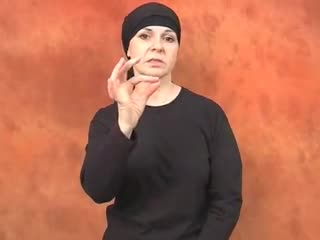
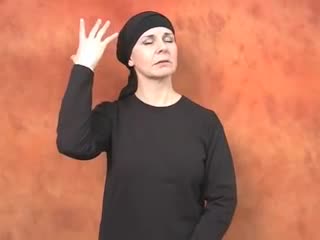
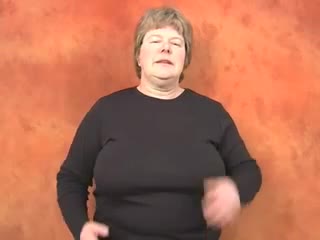
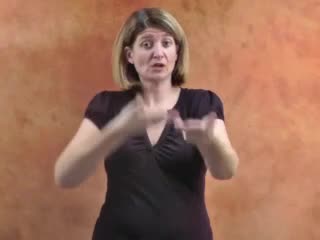
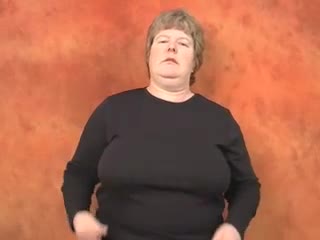
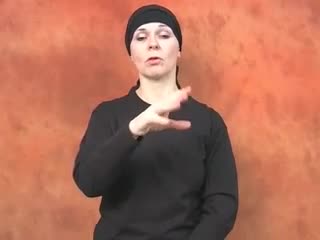
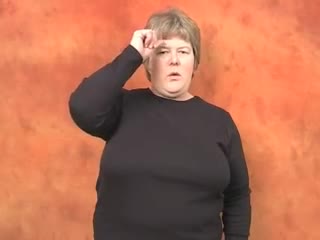
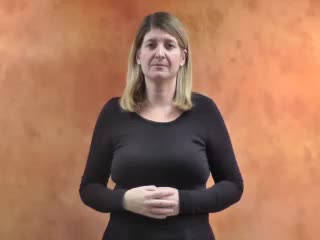
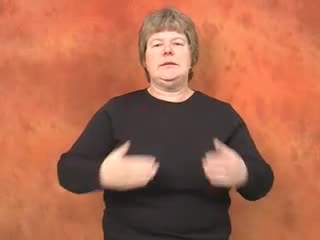
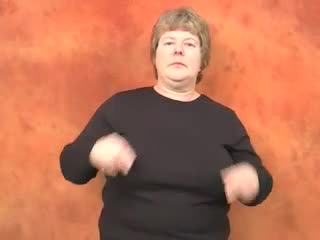
The BSL sign for accompany is beautifully straightforward, capturing the essence of moving alongside someone or something. It’s a very literal sign, depicting two entities travelling together, side-by-side. Think of it as a visual representation of partnership in motion, whether you’re physically walking with a friend or journeying with a group to a specific destination.
This sign is a fundamental building block in BSL because it establishes the concept of joint action and shared presence. It doesn’t imply leading or following, but rather a parallel journey, suggesting an equal footing in the movement. You’ll find yourself using it in a myriad of daily interactions, making it an essential sign to master early on.
What makes this sign particularly valuable is its clarity. There’s little room for misinterpretation when you see two hands moving in unison, signifying togetherness. It’s a sign that speaks volumes about camaraderie, support, or simply shared experience, making it a cornerstone for discussing social activities and travel.
When This Sign Feels Natural
You’ll find the BSL sign for accompany feels most natural when you’re referring to physical movement alongside another person or a group. Imagine saying, “I’ll walk with you to the bus stop,” or “They travelled with me to the conference.” In these everyday scenarios, this sign perfectly conveys the shared journey. It’s common for discussing commuting, social outings, or offering practical support.
This sign carries a neutral to positive tone, often implying a sense of shared experience or helpfulness. It’s frequently used when talking about looking out for someone, like accompanying an elderly relative to an appointment, or ensuring children are safely escorted to school. The register is generally informal to formal, fitting comfortably into most conversations where people are moving together.
However, it’s important to recognise when a different sign might be more appropriate. While English uses “accompany” in various abstract ways (e.g., “the text accompanies the image,” or “the music accompanied the performance”), the BSL sign for accompany is primarily for physical, person-to-person movement. For musical accompaniment, you’d likely use a different sign like “PLAY MUSIC” or “JOIN IN,” and for documents, you might sign “INCLUDE” or “ATTACH.” Stick to its literal meaning for best BSL practice.
What Learners Usually Miss
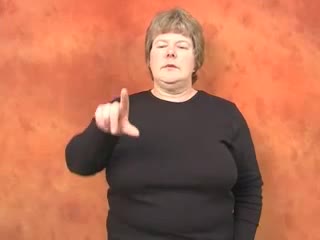
A common subtlety learners miss with the BSL sign for accompany is the precise handshape. It’s not just two pointing index fingers. Both hands need to form a clear G-handshape – index finger extended straight, with the thumb tucked alongside the side of your middle finger. Accuracy here is crucial; simply extending the index finger without the thumb’s specific placement can make the sign less clear or even resemble other signs, leading to confusion. Practice getting that thumb position just right for both hands.
Another point often overlooked is the integrity of the parallel movement. While the basic movement is “forward together,” it’s vital that the hands maintain their parallel orientation throughout the motion. Avoid letting one hand drift ahead or behind, or allowing them to converge or diverge. The strength of this sign lies in its visual metaphor of two distinct paths moving in perfect synchronisation. This consistent parallelism reinforces the idea of “with” or “alongside” someone, rather than leading, following, or meeting.
Finally, learners sometimes forget to incorporate subtle contextual cues beyond just the hand movement. While the hands themselves convey “accompany,” your eye gaze and slight head tilt can clarify who you’re accompanying or where you’re going. For instance, if you’re telling someone you’ll accompany them, a brief glance towards them as you sign adds naturalness. If you’re discussing accompanying someone to a specific location, your body might subtly orient towards that imagined direction. These non-manual features provide rich layers of meaning that enhance the sign’s overall impact.
A Simple Way to Remember It
Visualising the sign’s form and movement can greatly aid your memory. Think of the two hands as representations of people, and the shared motion as their journey together. This direct visual connection makes the sign intuitive and easy to recall.
- Two Friends Walking: Imagine your two G-hands as two individuals, perhaps friends or partners, walking side-by-side. Their steady, parallel movement forward perfectly captures the idea of moving together.
- “G;” for “Go Together”: The G-handshape itself can serve as a mnemonic. Think of the “G;” in “Go” or “Guide.” Both hands are ready to “go together” on a journey.
- Railway Tracks: Picture two parallel railway tracks extending forward. Just as trains need two tracks to move smoothly and in unison, the two G-hands move in a consistently parallel fashion, symbolising a shared path.
Short Practice Situations
- I need someone to accompany me to the hospital for my appointment next week.
- My friend offered to accompany me on my morning walk through the park.
- Could you please accompany the children to their swimming lesson this afternoon?
- They decided to accompany the new student around the school to help them find their classes.
- I’ll accompany you to the train station so you don’t have to go alone.
Signs to Learn Next
WITH:
Learning “WITH” (two A-hands coming together) is a natural next step because “accompany” inherently means to be “with” someone. Understanding “WITH” helps solidify the concept of shared presence that “accompany” embodies.GO:
The sign “GO” (two index fingers pointing forward) helps you understand individual movement. By mastering “GO” first, you can then appreciate how “accompany” takes that individual action and extends it to a shared, parallel movement.FOLLOW:
“FOLLOW” (one hand chasing the other) provides an excellent contrast. While “accompany” implies moving side-by-side, “FOLLOW” clearly shows one person moving behind another, highlighting a different dynamic of joint movement.LEAD:
Similarly, “LEAD” (one hand pulling forward) offers another perspective on shared movement, where one person is guiding or directing the other. Together with “accompany” and “FOLLOW,” you gain a full spectrum of how people move together.