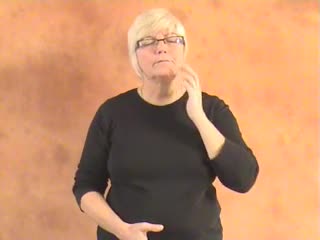
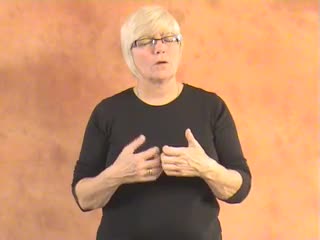
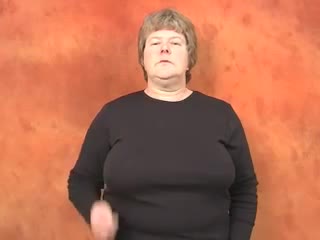
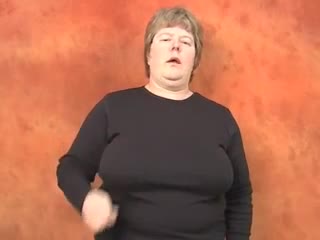
What This Sign Means in BSL
The BSL sign for please isn't just a direct translation of the English word; it carries a deeper sense of polite request, invitation, and often, a gentle humility. When you use this sign, you're not merely adding a courtesy word; you're actively conveying a desire for something, whether it's an object, an action, or someone's attention. It's a fundamental part of building respectful communication in British Sign Language.
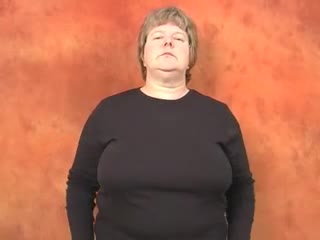
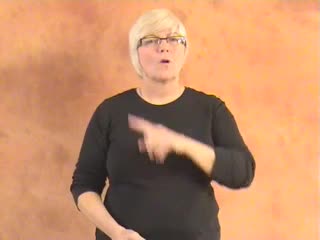
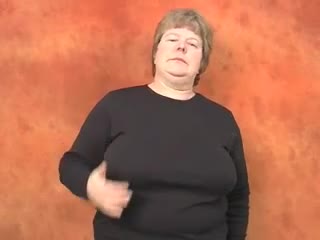
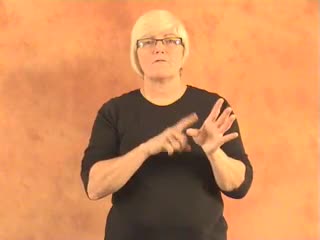
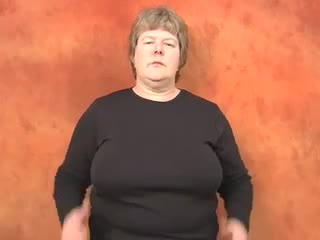
You'll notice the distinctive handshape: a flat hand, fingers together, with your thumb tucked neatly alongside your palm. This open, unthreatening gesture instantly signals a non-aggressive, receptive posture. The movement, a smooth, circular forward motion from your upper chest, extends outward into the neutral signing space. This outward extension feels like an offering or an appeal, coming from a place of genuine intent rather than a demand.
This sign is a cornerstone of BSL politeness, subtly shaping your interactions. It sets a tone of consideration and respect, making your requests sound softer and more approachable. It's a sign that truly embodies the spirit of asking, rather than just stating a desire. Pay close attention to how it feels to sign it – the smoothness and the subtle forward projection are key to its meaning.
When This Sign Feels Natural
You’ll find this sign feels most natural in situations where you’re making a direct request or extending an invitation. Think about asking someone to pass something, inviting them to sit down, or requesting a moment of their time. It’s versatile enough for both formal and informal settings, always adding a layer of deference and respect to your communication. It helps soften any potential imposition your request might have.
Consider using this sign when you're asking for clarification, perhaps "Please explain that again," or "Please repeat." It’s also perfect for guiding someone gently, like "Please come this way." The sign works beautifully as an opener to a request, setting a polite tone right from the start, before you even articulate the specifics of what you're asking for.
However, it’s worth noting that BSL politeness isn't solely reliant on this one sign. Often, politeness is conveyed through your overall facial expression, body language, and the grammatical structure of your signed sentence. While "please" is a powerful tool, don't feel you need to pepper it into every sentence where an English speaker might use it. Sometimes, a clear, well-structured request with a gentle facial expression is all you need. For instance, if you're simply offering something, a sign like 'GIVE' with an open hand and inviting expression might be more appropriate than 'please'.
What Learners Usually Miss
One common oversight for new learners is the subtle, continuous nature of the circular movement. It's not a jerky or sharp motion; instead, it should flow smoothly, almost like you're gently coaxing something towards you or offering something outwards. A choppy movement can make your request seem abrupt or less sincere. Practice making the circle fluid and complete, ensuring your hand finishes slightly further forward than where it started on your chest.
Another crucial element often missed is the accompanying facial expression. For "please," your face should generally convey an open, slightly soft, and receptive look. Avoid a furrowed brow or a tense mouth, as these can contradict the polite nature of the sign, making your request seem demanding or even frustrated. Think about what your face does when you politely ask for something verbally – that's the kind of expression you want to capture in BSL.
Finally, learners sometimes overuse the sign, inserting it into every request just as they might in spoken English. Remember, BSL conveys politeness through a combination of elements. While "please" is important, it doesn't need to be signed constantly. Observe how native BSL signers use it: often strategically placed at the beginning or end of a request, or for emphasis when the request is particularly sensitive or impactful. It's about thoughtful placement, not just frequency.
A Simple Way to Remember It
To really embed the BSL sign for please in your memory, think of it as a gesture of 'reaching out' or 'offering' from your core, asking gently for something you need or want. The soft, flat hand and circular movement away from your chest perfectly illustrate this concept of extending a polite request without aggression.
- The "Open Hand" Request: Imagine your flat hand with fingers together as an open, vulnerable palm, ready to receive or gently ask for something. It’s not clenched, it’s not pointing aggressively – it’s simply open.
- The "From the Heart" Movement: Visualise the movement starting at your upper chest as literally coming from your heart, a sincere outward appeal. The circular motion is like a gentle, continuous coaxing or invitation.
- The "Soft Offering" Gesture: Picture yourself gently pushing an invisible 'request' outwards, or circling a soft offering towards the person you're speaking to. This smooth, forward motion embodies the politeness and lack of demand.
Short Practice Situations
- You're at a friend's house and want a drink: "Please, may I have a glass of water?"
- Asking for someone's attention in a polite way: "Excuse me, please, could I speak with you for a moment?"
- Requesting help with a heavy box: "Please, would you mind helping me lift this?"
- Inviting someone to take a seat: "Come in, please, and make yourself comfortable."
- Asking for something to be repeated: "I didn't quite catch that, please could you sign it again?"
Signs to Learn Next
- THANK YOU: This is a natural progression. After politely requesting something with "please," expressing gratitude with "thank you" completes the polite interaction.
- SORRY: Another key sign for politeness and social grace. Sometimes you might need to say "Sorry, please..." if you're interrupting or making an inconvenient request.
- HELP: Often, "please" precedes a request for assistance. Learning "help" allows you to combine them for phrases like "Please help me."
- GIVE: If your "please" is about receiving an object, "give" often follows. "Please give me the book" is a common and practical construction.
- WELCOME: When you're inviting someone somewhere, "please" can introduce the invitation, and "welcome" confirms their arrival or acceptance. "Please come in, welcome!"