What Is the BSL Sign for "help"?
You're here to discover the British Sign Language help sign, and you've come to the perfect place! This particular sign isn't just a simple gesture; it's a wonderfully versatile verb, a cornerstone of compassionate communication within the Deaf community. Knowing how to sign help in BSL unlocks so many avenues for connection, offering assistance or asking for support with clarity and warmth. It’s one of those essential signs you'll use constantly in everyday conversations, truly a sign for help in sign language everyone should master early on.
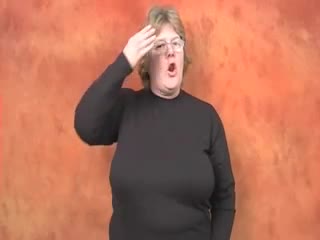
How to Sign "help" in British Sign Language - Step-by-Step
Let's break down the BSL sign for help, guiding your hands and body through each crucial component, just like we're learning together in a classroom.
Step 1: Handshape
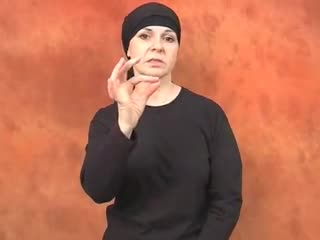
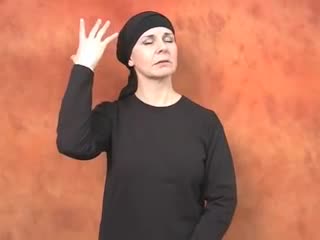
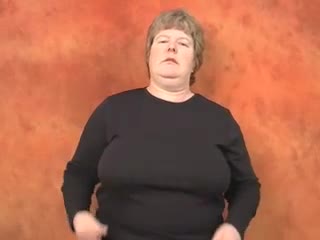
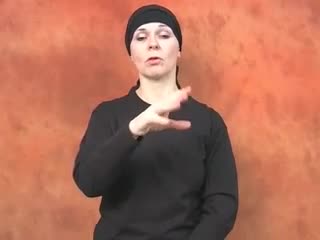
For this sign, your dominant hand forms what we call a 'flat B' handshape. Imagine your hand flat, fingers held together and extended, with your thumb tucked neatly against your palm or alongside your index finger. It’s not a tight fist, nor is it a spread-out waving hand; think of it as a firm, open hand, ready to offer support.
Step 2: Hand Placement and Location
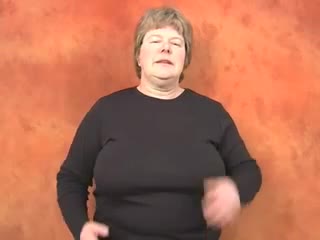
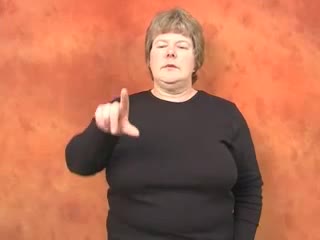
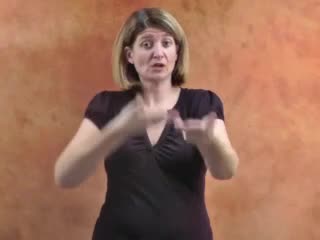
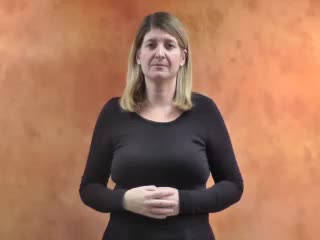
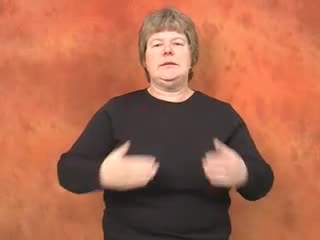
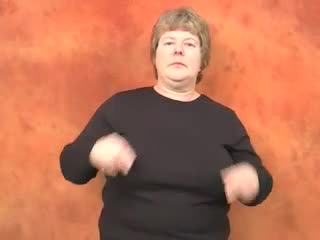
You'll begin with your dominant hand positioned just below your non-dominant hand. Your non-dominant hand remains passive, forming a loose fist with your palm facing upwards, resting comfortably in the neutral signing space in front of your body, usually around chest height. Your dominant hand, in its 'flat B' shape, slides underneath, almost as if it's propping up the fist of your non-dominant hand.
Step 3: Movement
The action for this sign is both straightforward and meaningful. From its initial position beneath your non-dominant fist, your dominant hand gently pushes upwards. This motion is a single, clear, supportive lift, moving upwards by about an inch or two, mimicking the act of providing a subtle boost. The movement isn't aggressive or hurried; it's a smooth, controlled push, conveying assistance.
Step 4: Facial Expression and Mouthing
Non-manual features are truly critical in British Sign Language, adding layers of grammatical information and emotional nuance. When you sign "help," your facial expression should reflect the context of your message. If you're offering assistance, a gentle, concerned, or reassuring look often accompanies the sign. If you're requesting aid, your expression might convey a subtle plea or a look of needing support. Simultaneously, mouth the word "help" silently, ensuring your lip pattern matches the English word, which significantly aids comprehension for many BSL users.
Step 5: Palm Orientation
Throughout the sign, the palm of your dominant hand faces upwards, towards the ceiling. This orientation is essential because it reinforces the concept of lifting or supporting from below. Your palm isn't facing inwards towards your body, nor is it facing outwards; keeping it open and upwards clearly communicates the supportive action inherent in the meaning of "help."
"help" in BSL - Quick Reference Snapshot
- Handshape: Dominant hand forms a 'flat B' (fingers extended, together, thumb alongside).
- Location: Dominant hand starts beneath the non-dominant hand (loose fist, palm up) in neutral space.
- Movement: Dominant hand pushes gently upwards, lifting the non-dominant hand slightly.
- Facial Expression: Varies with context; generally concerned, reassuring, or seeking support.
- Dominant Hand: Always the active hand performing the upward push.
- Palm Orientation: Dominant hand's palm faces upwards throughout the movement.
5 Memorisation Tricks for the BSL Sign "help"
Learning new signs can sometimes feel like a puzzle, but with a few clever tricks, you'll find the BSL help sign sticks in your mind beautifully.
- Visualise a Lever: Picture your dominant hand as a small lever, gently lifting something heavy. Your non-dominant hand is the object needing that little boost. This mental image directly connects the physical action to the idea of providing assistance or lifting a burden.
- The "Helping Hand" Mnemonic: Think of the common phrase "lending a helping hand." Your dominant hand is literally acting as that supportive hand, subtly pushing up your non-dominant, passive hand. It's a direct, iconic representation of the idiom.
- Muscle Memory Drill: Sit down with a friend and just practice the movement repeatedly, focusing on the smooth, gentle upward push. Do it ten times, then take a break, and come back to it later; consistent, spaced repetition builds strong muscle memory for the specific trajectory and feel of the sign.
- Connect to the Meaning: The upward movement perfectly symbolises the act of raising someone up, offering support, or alleviating a difficulty. When you sign it, consciously think "I am giving support" or "I need a lift," reinforcing the conceptual link.
- Daily Life Integration: Every time you think "I need help" or "Can I help you?" in your daily life, physically sign the word, even if nobody else is watching. Incorporating it into your internal monologue strengthens the association and makes it a natural part of your signing vocabulary.
Real-Life Situations to Use the BSL Sign for "help"
You'll find the BSL sign for help incredibly useful in a wide array of everyday interactions; it's a sign that truly bridges needs and offers.
- Imagine you see someone struggling to carry heavy bags. You could sign: "YOU WANT HELP?" (BSL structure: YOU WANT HELP-Q? – The 'Q' is shown through a questioning facial expression and raised eyebrows, often with the sign for 'want' taking on the interrogative role.)
- If you're lost and need directions, you might approach someone and sign: "I NEED HELP FIND-WAY." (BSL structure: ME NEED HELP FIND WAY. 'Find way' would be a compound sign or phrase, possibly incorporating spatial indexing.)
- Someone falls, and you rush over, signing: "YOU OKAY? ME CAN HELP." (BSL structure: YOU OKAY? ME CAN HELP. The 'can' sign would precede 'help' if expressing ability.)
- Perhaps you're at a meeting and struggling to understand a complex concept. You could sign to a colleague: "I DON'T UNDERSTAND. PLEASE HELP ME." (BSL structure: ME NOT UNDERSTAND. PLEASE HELP ME. 'Please' would precede 'help', and 'help' would be directed towards the signer, indicating 'help me'.)
Top 3 Mistakes Learners Make Signing "help" in BSL
It’s completely normal to make a few slip-ups when you're first learning, but identifying common pitfalls with the British Sign Language help sign can help you correct them quickly.
- Incorrect Handshape: A frequent error involves using a 'fist' or a 'C' handshape instead of the required 'flat B' for the dominant hand. This changes the visual meaning and can make the sign unclear. The precise correction is to ensure your dominant hand is perfectly flat, fingers together, thumb tucked, conveying that open, supportive base.
- Passive Non-dominant Hand Movement: Sometimes, learners accidentally move their non-dominant hand along with the dominant hand, or they might not form the non-dominant hand into a loose fist. Your non-dominant hand should remain relatively still, a passive recipient of the 'lift'. To fix this, consciously keep your non-dominant hand stationary and correctly formed as a loose, upturned fist, allowing the dominant hand to perform the singular upward motion.
- Missing or Inappropriate Facial Expression: Forgetting the crucial non-manual features or using an expression that doesn't match the context of needing or offering help is another common mistake. Signing "help" with a blank face or a smile when you're distressed, for instance, reduces its communicative impact. The remedy is to deliberately pair your sign with an authentic expression; if you're asking for assistance, let your face reflect that need, and if you're offering it, show concern or willingness.
Fascinating Facts About the BSL Sign for "help"
The BSL sign for help is more than just a movement; it carries layers of meaning and history within its form.
- The iconic nature of this sign is striking; it visually depicts the action of one hand supporting or lifting another, making its meaning intuitively clear even to new learners.
- While the core movement of "help" is quite stable across the UK, you might encounter subtle regional variations in the precise height of the lift or the exact tightness of the non-dominant fist.
- Linguistically, "help" is a directional verb in BSL. This means you can modify the sign's direction or location to indicate who is helping whom (e.g., helping *me* vs. helping *them*), adding incredible grammatical efficiency.
- Its clear, two-handed structure makes it an accessible sign for beginners, yet its capacity for nuanced modification allows for sophisticated expression by fluent signers.
- The sign is not related to the manual alphabet; it's a full lexical sign, a concept directly represented rather than fingerspelled.
"help" in Deaf Culture - Community and Identity
Within the Deaf community, the concept of "help" often extends beyond individual assistance, touching upon themes of collective support and mutual aid that are deeply embedded in Deaf culture. There’s a powerful sense of community, where people frequently look out for one another, a legacy born from shared experiences and the need for collective action. Asking for or offering help isn't just a transaction; it's an affirmation of connection and interdependence, fostering a sense of belonging. This sign, therefore, carries a weight of cultural significance, representing the solidarity that strengthens Deaf identity. It's a reminder that no one navigating a hearing-centric world needs to do so alone, reinforcing the bonds that tie the community together.
Example Conversations Using "help" in BSL
Let's see how the versatile sign for "help" can be woven into everyday interactions, giving you a clearer picture of its practical application.
English: Can you help me move this table? - BSL structure: YOU HELP ME MOVE TABLE? (The question is conveyed through a questioning facial expression and the structure 'YOU HELP ME' with 'MOVE TABLE' following as the topic.)
English: I need help understanding this document. - BSL structure: ME NEED HELP UNDERSTAND DOCUMENT. (A straightforward topic-comment structure, with 'understand' and 'document' following 'help'.)
English: She always helps her younger brother. - BSL structure: SHE ALWAYS HELP HER YOUNGER BROTHER. (The sign 'help' here is directed towards the conceptual location of 'her younger brother', showing who receives the help.)
English: The teacher offered help to all the students. - BSL structure: TEACHER OFFER HELP ALL STUDENTS. (The sign 'offer' would precede 'help', indicating the action of providing assistance to a group, often with a sweeping motion for 'all students'.)
English: Don't worry, I'll help you with that later. - BSL structure: DON'T WORRY, ME HELP YOU LATER. (A reassuring tone, with 'help' directed towards the person being addressed, followed by 'later'.)
Frequently Asked Questions: The BSL Sign for "help"
Is the BSL sign for "help" the same across all regions of the UK?
While the fundamental form and movement of the BSL sign for "help" are widely understood across the United Kingdom, you might encounter slight regional variations. These differences are usually subtle, perhaps in the exact height of the dominant hand's lift or the precise orientation of the non-dominant hand, but they won't impede comprehension of the core message. It's a testament to the richness of BSL that a common sign can have these charming local accents.
Are there similar BSL signs I might confuse with "help"?
Yes, learners sometimes confuse "help" with signs like 'SUPPORT' or 'LIFT'. While conceptually related, 'SUPPORT' often involves two hands coming together to cradle or hold, and 'LIFT' (as in lifting an object) might have a more direct upward trajectory with different handshapes depending on the object's size. Paying close attention to the specific 'flat B' dominant handshape and the precise upward push of 'help' is key to distinguishing it.
Is "help" a good sign for BSL beginners to learn first?
Absolutely, "help" is an excellent sign for BSL beginners! It's highly iconic, meaning its form directly relates to its meaning, making it easier to remember. Furthermore, its frequent use in daily communication ensures that new learners will have many opportunities to practice and integrate it into their nascent signing vocabulary right away.
Can children easily learn and use the BSL sign for "help"?
Children pick up the BSL sign for "help" with remarkable ease. Its simple, clear movement and direct conceptual link make it very accessible for young learners. Encouraging children to use this sign helps them express their needs and offer assistance from an early age, promoting communication and empathy within their interactions.
How does the BSL sign for "help" convey urgency or intensity?
To convey urgency or intensity with the BSL sign for "help," you'll modify the non-manual features and the speed of the sign. A more rapid, emphatic upward push, combined with a heightened facial expression showing stress or immediate need, instantly communicates a stronger plea or a more urgent offer of assistance. The mouth pattern might also become more pronounced to reflect the intensified emotion.
Signs That Pair Naturally with "help" in BSL
Building vocabulary around a core sign like "help" makes your BSL learning journey much more cohesive and practical.
- NEED: Often used in conjunction, as in "I NEED HELP," forming a natural request.
- ASSIST: A close synonym, sometimes used for more formal or sustained support.
- SUPPORT: Can imply more long-term or emotional backing, complementing the immediate action of "help."
- PLEASE: Adding "PLEASE" before "help" makes a request more polite and respectful.
- THANK YOU: The natural response when someone offers or provides help, reinforcing positive interaction.
- GIVE: You might sign "GIVE HELP" to express the action of extending assistance.
Building Fluency: How to Practise "help" in BSL
You've got the steps, you've got the knowledge, now let's get you truly fluent with the BSL sign for "help." Practising this sign effectively will really embed it in your signing repertoire. Grab a mirror and use it to observe your dominant hand's 'flat B' handshape and the gentle upward push, ensuring your palm orientation is consistently upwards. Integrate "help" into your daily thoughts; every time you mentally process needing or offering help, perform the sign physically, creating a strong mental-motor link. Try filming yourself signing a short sentence incorporating "help," then watch it back to refine your handshape, movement, and crucially, your facial expression, which adds so much to the sign's meaning. The very best way to build fluency is finding a Deaf conversation partner; they'll provide invaluable feedback and real-world context, helping you use "help" naturally in actual dialogue. Finally, space out your practice sessions over several days; a little bit of consistent repetition beats one long, intense session, helping your brain solidify the sign for long-term recall. Keep at it, and you'll be signing "help" with confidence and grace in no time!