What This Sign Means in BSL
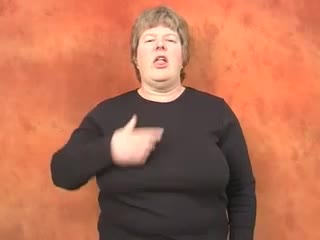
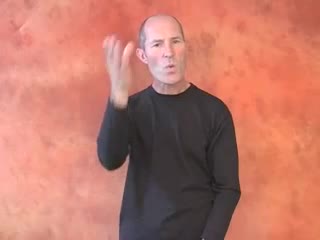
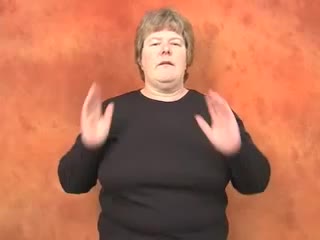
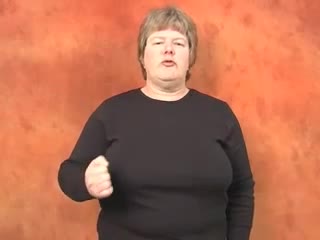
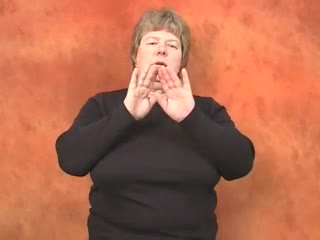
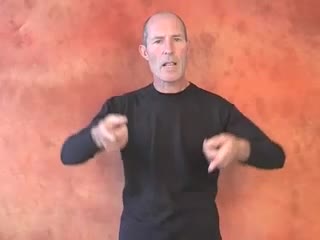
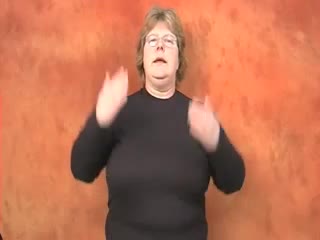
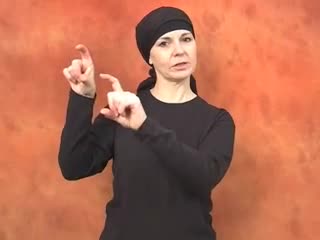
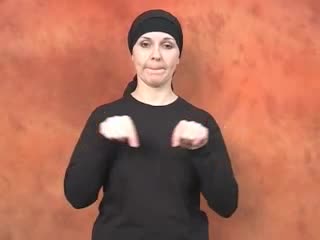
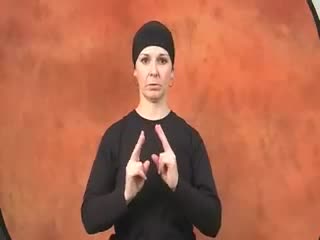
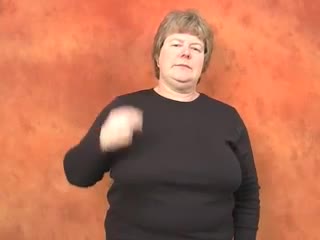
The BSL sign for carpenter is beautifully direct, capturing the essence of the craft through a clear, iconic action. At its heart, this sign represents a person whose trade involves working with wood, building, repairing, or installing wooden structures – think everything from house frames and roofs to furniture and intricate fittings. It’s a very literal sign that immediately conjures an image of the work involved.
You’ll notice its strength comes from how it directly mimics a core tool and action: hammering. This makes it instantly recognisable and less abstract than some other signs. It’s a foundational sign when discussing trades, construction, or professions related to manual skill and craftsmanship. When you use the BSL sign for carpenter, you're not just naming a job; you're illustrating the fundamental act of creation with wood.
This sign is unambiguous and widely understood across the UK BSL community. It clearly distinguishes the carpenter from other builders or tradespeople, thanks to its specific focus on the hammering motion associated with joinery and carpentry work. It’s a sign that speaks to the hands-on nature of the profession, celebrating the practical skill involved.
When This Sign Feels Natural
This sign feels most natural in any conversation where you're specifically talking about the profession of a carpenter, the person who does the carpentry. You’d use it when discussing home improvements, asking for help with a wooden project, or talking about someone’s job. For example, "My brother is a carpenter," or "We need a carpenter to fix the door frame." It's a straightforward, everyday sign that fits into a wide array of contexts.
It fits comfortably into both formal and informal registers. Whether you're discussing a professional project with a client or chatting casually with friends about someone's career, this sign is appropriate. Its clarity means there’s little room for misunderstanding, making it reliable in diverse social settings and ensuring your meaning is precisely conveyed.
Given its iconic nature, there aren't many situations where you'd significantly alter or choose a completely different sign for the *person* a carpenter. However, if you were referring to the *act* of carpentry or *working with wood* in a more general sense, you might sign "WOOD" followed by "WORK" or use a descriptive classifier for shaping wood, rather than directly referring to the person's profession itself. Always remember the distinction between the craft and the craftsperson.
What Learners Usually Miss
One common oversight learners make is the rhythm and precision of the hammering motion. It's not a frantic, wild movement, nor is it too slow and deliberate. Think of it as a steady, controlled tap, reflecting the measured work of a carpenter. The dominant fist should land firmly but gently on the non-dominant palm, repeating two or three times. Ensure your non-dominant hand remains steady and flat, acting as the 'workpiece' or 'nail head' – this steadiness is key.
Another point often missed is the exact handshape and contact. The dominant hand should maintain a clear fist (S-hand), not a loose or partially open hand. The impact should be with the knuckles or the flat part of the fist, not the fingertips, to truly mimic a hammer. Some learners might accidentally let their dominant hand drift too far away from the non-dominant palm, losing the crucial sense of impact. Keep the hands relatively close, maintaining the illusion of purposeful, controlled hammering.
Finally, while facial expression isn't strictly mandated for this sign, a neutral or slightly focused expression is usually most appropriate. Avoid overly exaggerated expressions unless you're deliberately adding emphasis or emotion to the context (e.g., "The carpenter was really frustrated!"). The sign itself carries the meaning; let your hands do the talking for the profession, allowing your face to reflect the broader emotional tone of your conversation.
A Simple Way to Remember It
Remembering the BSL sign for carpenter is straightforward because it's such an iconic representation of the trade. Just picture the most fundamental action a carpenter performs, and the sign will come to mind. It’s a direct visual link to the craft that makes it highly memorable.
- The Hammer & Nail: Your dominant hand, in a fist, perfectly represents a hammer. Your non-dominant open palm serves as the surface holding a nail, ready to be driven in.
- Rhythmic Tapping: The repeated tapping motion mimics the steady, focused rhythm of a carpenter working at their bench or on a construction site. It’s not one hit, but several, showing ongoing, purposeful work.
- Building with Hands: The entire sign emphasizes manual skill and the act of building. It’s a powerful reminder that carpentry is a hands-on profession, shaping wood with tools and effort.
Short Practice Situations
- Try introducing yourself or someone else: "My name is [Your Name], I'm a carpenter." or "This is my friend, she's a carpenter."
- Discuss a household task: "We need a carpenter to build some new shelves for the living room."
- Talk about a professional need: "The construction site needs three more experienced carpenters next month."
- Ask about someone's career: "What does your father do? Is he a carpenter?"
- Describe a problem: "The wooden fence is broken; we should call a carpenter to fix it."
Signs to Learn Next
- BUILD/CONSTRUCTION: As carpenters are integral to construction, learning the general sign for building or construction will allow you to talk about larger projects where a carpenter's skills are applied.
- WOOD: Naturally, a carpenter works with wood. Knowing the sign for "WOOD" will enable you to specify the material they use or discuss the type of projects they undertake, enriching your descriptions.
- TOOL: Carpenters use many tools. Learning the sign for "TOOL" or specific tools like "SAW" or "HAMMER" will expand your vocabulary when describing their equipment and methods in detail.
- HOUSE: Many carpenters contribute to building or renovating houses. This connection helps discuss the end product of much carpentry work and is a very common context for the sign.
- JOINER: While often used interchangeably, "JOINER" in BSL (often a descriptive sign for joining wood or a fingerspelled name) can offer a nuanced distinction, particularly for those specialising in fine woodwork or furniture.