What This Sign Means in BSL
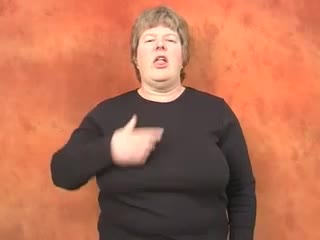
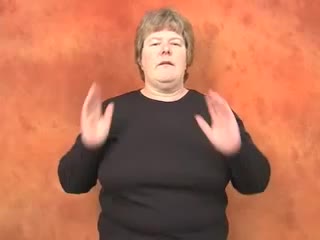
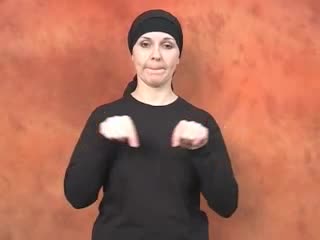
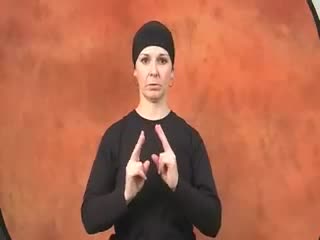
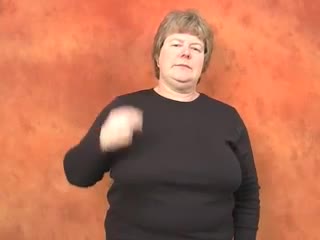
The BSL sign for welded joint is beautifully direct, visually describing the very concept it represents. It captures the essence of two pieces of material being permanently fused together, forming a solid, continuous seam. This sign isn't just about the act of welding; it specifically denotes the result – the strong connection, the joint itself.
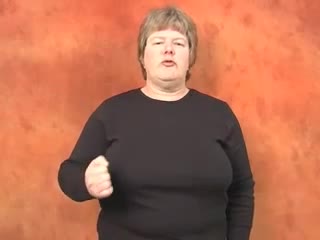
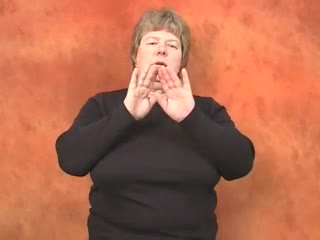
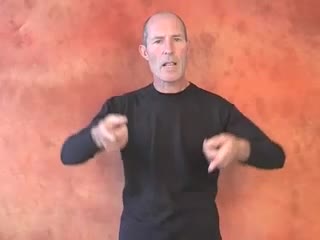
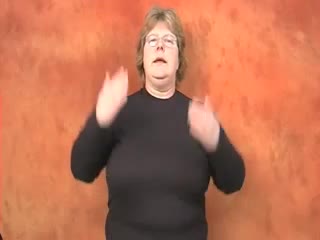
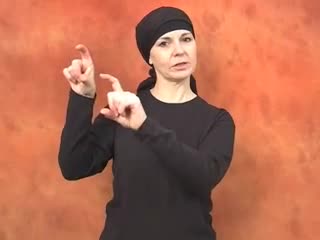
You'll notice how the dominant hand, with its extended index finger, acts like a tool or the bead of a weld, tracing a deliberate line along the edge of the non-dominant hand. This simple yet powerful visual metaphor makes the sign incredibly clear, especially in contexts where precision about engineering or construction is needed. It’s a sign that leaves little room for ambiguity.
This sign is a noun, focusing on the finished component. It conveys the idea of a secure, unyielding bond, one that's been made through heat and fusion. When you use it, you're not just saying "joined"; you're specifying a particular kind of robust, technical connection.
When This Sign Feels Natural
You'll find this sign feels most natural in technical discussions, whether you're talking about fabrication, engineering, or even automotive repair. Imagine a conversation about constructing a bridge, assembling machinery, or fixing a metal gate; the BSL sign for welded joint fits perfectly. It's the go-to sign when you need to be specific about how two metal parts have been joined.
Its precise nature means it’s less likely to be used in casual chat where "stuck together" or "connected" might suffice. However, if you're explaining a design, troubleshooting a structure, or describing a manufacturing process to another BSL user, this sign will be understood immediately and appreciated for its clarity. It’s a sign for when the method of connection truly matters.
Think of situations where you might show diagrams or blueprints. The sign complements such visual explanations, adding a layer of signed detail. It’s not just for professionals; anyone discussing metalwork, DIY projects involving welding, or even showing off a repaired item would find it useful for conveying exactly what kind of joint they mean.
What Learners Usually Miss
A common subtlety learners miss with the BSL sign for welded joint is the exactness of the dominant hand's movement. It's not just a general swipe or tap; it's a focused tracing along the edge of the non-dominant hand. The dominant G-hand should feel like it's sealing or painting a line onto that edge, implying continuity and a secure bond. Rushing this movement or making it too broad can lose the precision of the 'weld bead' metaphor.
Another point of confusion can be the orientation and role of the non-dominant hand. It needs to be held flat, palm up, presenting a clear "edge" for the dominant hand to trace along. Some learners might hold it too loosely, or forget that it represents the surfaces being joined. Maintain that firm, flat base; it's crucial for establishing the visual of two pieces meeting at a seam. The non-dominant hand is the foundation, giving context to the dominant hand's action.
Finally, while facial expression for technical signs is often neutral, don't forget to maintain focus and clarity in your signing. Mouthing "welded" or "joint" can also support the sign's meaning, especially if you're engaging with someone who might be new to the term. It adds an extra layer of reinforcement and helps to cement the sign's specific technical meaning in conversation.
A Simple Way to Remember It
To really lock in the BSL sign for welded joint, visualise the process itself: imagine your dominant hand's index finger as a welding torch or the molten metal forming the seam. Your non-dominant hand then becomes the edge of the two pieces of metal that are being joined. The movement is the precise act of laying down that strong, permanent connection.
- The non-dominant B-hand is the sturdy base, representing the metal surfaces coming together.
- The dominant G-hand's index finger is like the concentrated heat or the bead of material that fuses the pieces.
- The tracing movement is the continuous creation of that strong, sealed connection along the seam.
Short Practice Situations
- The old fence post needed a strong welded joint to hold it firm against the wind.
- We checked every welded joint on the new bridge for quality and safety before opening it.
- Is that a bolted joint or a welded joint holding these two sections of the sculpture together?
- For maximum strength in this metal frame, a continuous welded joint is absolutely essential.
- They had to cut out the faulty welded joint and replace it with a new, reinforced section.
Signs to Learn Next
- WELDING (the action): While "welded joint" is the noun, learning the sign for the *action* of welding often involves a similar handshape but with a movement that suggests the continuous application of a tool, expanding your ability to discuss the full process.
- JOINT (general): Understanding the general sign for "joint" (like a knee joint, or any connection point) helps differentiate "welded joint" as a specific type of connection, emphasizing the method rather than just the meeting point.
- METAL: Since welding is predominantly used with metal, learning the sign for "metal" will naturally complement your discussions about fabricated structures and components.
- REPAIR / FIX: Welded joints are often part of a repair process, so knowing the sign for "repair" or "fix" allows you to talk about restoring broken items using this method.
- STRONG / SECURE: The inherent quality of a good welded joint is its strength and security. Learning these signs will help you describe the desired outcome and integrity of the connection you're discussing.