Speed
0
Practice reps times watched

Create a free account to keep your watch history and review plan.

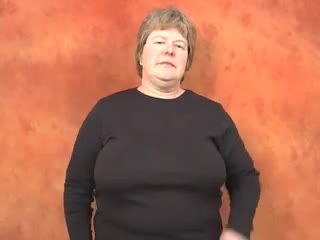
Best practice Use mirror mode, then watch the frame breakdown below to catch the start, movement, and finish cleanly.
Video via SpreadTheSign  - Free educational resource BSL
Updated April 21, 2026
British Sign Language (BSL) 🟢 Beginner 📊 B1 ⚡ Uncommon Noun

wire brush

A tool for heavy-duty scrubbing, often used to remove rust or paint

Source-linked video Step-by-step guide Context and safety notes
Synonyms
Stiff brush metal brush
Antonyms
Soft brush feather duster
Difficulty
Not rated yet

Create a free account to save this sign, keep your watch history, and unlock a one-note journal preview.

How to sign it
Handshape
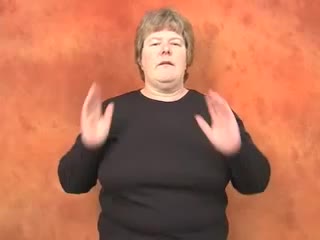
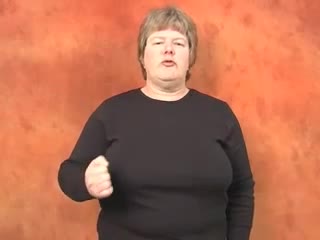
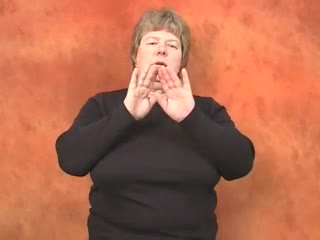
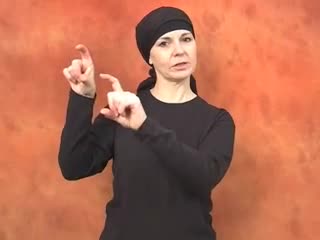
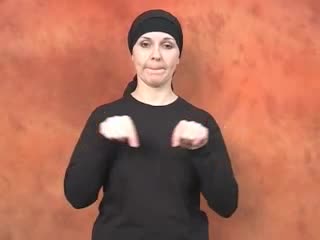
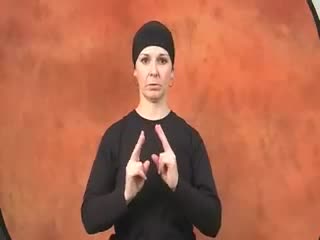
Dominant hand in an S-handshape (fist), non-dominant hand in a B-handshape (flat palm)
Location
Non-dominant palm
Movement
Dominant S-hand vigorously rubs back and forth across the non-dominant B-hand
Palm Orientation
Dominant: knuckles face non-dominant palm. Non-dominant: palm facing up
Facial Expression
None
🔁 Spaced Review Try it free

How well do you know this sign?

WIRE BRUSH
Your Progress Live
🌱
Level 1 · BSL Beginner +0 XP today
This sign Not learned yet
0 watches
Mastery 0%
Confidence
How well do you know this sign?
0 🔥 Streak
0 Signs seen
0 Learned
0 Watches
📖 Vocabulary health 🔒 Log in to see score
0 Mastered
0 Confident
0 Practicing
0 Just seen

Create a free account to keep your vocabulary score between sessions

7-day activity 0 of 7 active

Register free to sync activity across devices

Watch signs to see your history here

Tracking locally for now. Create a free account to save your progress and sync across devices.
Free gets you started. Paid adds the repeat-learning layer: review queues, deeper notes, compare mode, and better comeback tools.
My Sign Journal
Personal notes, saved to your account forever
Locked

Write memory tricks, usage examples, and cultural reminders beside each sign. Create a free account to unlock your first saved note preview on this page.

Create free account Already have an account? Log in

What This Sign Means in BSL

The BSL sign for wire brush is remarkably visual, directly mirroring the action of using this specific tool. It’s a functional sign that clearly conveys the purpose and nature of a wire brush: a robust tool designed for vigorous scrubbing and removal of stubborn materials. When you see this sign, you’re not just seeing a word, you’re seeing the very act of a wire brush in use, making it incredibly intuitive for both signers and those new to BSL.

What makes this sign particularly effective is its immediate clarity. The dominant hand, formed into an S-hand (a fist), acts as the handle of the brush, while the non-dominant B-hand (a flat palm) represents the surface being scrubbed or the bristles themselves. The vigorous back-and-forth movement isn't just a gentle sweep; it embodies the abrasive, hard-working nature of a wire brush, suggesting the effort required to clean rust, loose paint, or grime.

This sign stands out because of its specificity. Unlike more general "brush" signs, the handshapes and movement here leave no doubt that we're talking about a wire brush-a tool known for its tough bristles and demanding tasks. It's a pragmatic and direct sign, reflective of the straightforward purpose of the tool itself, and it effectively communicates its identity within practical contexts.

When This Sign Feels Natural

You'll find the BSL sign for wire brush feels most natural in practical, hands-on conversations, especially when discussing DIY projects, maintenance, gardening, or workshop activities. Imagine you're explaining how to prepare a surface for painting, or describing the tools you use for cleaning old metalwork; this sign steps in perfectly. It’s concise and leaves no room for ambiguity, making it ideal for clear communication amongst fellow enthusiasts or when giving instructions.

The register for this sign is generally informal to semi-formal, fitting comfortably into everyday discussions. It's the kind of sign you'd use with a friend who’s helping you renovate, or when explaining a task to a colleague at work. Because it's so visually descriptive, it often replaces the need for lengthy explanations or fingerspelling, allowing the conversation to flow more naturally and efficiently when the specific tool is important to the context.

While you could describe a wire brush or fingerspell it, using the established sign adds fluency and authenticity to your BSL. It's particularly useful when the distinction between a soft brush, a paint roller, and a wire brush is crucial. If the exact tool matters to the meaning of your sentence, using this specific sign is always the strongest and most natural choice, avoiding any potential misunderstandings about the type of abrasive action intended.

What Learners Usually Miss

One common oversight for learners is the intensity of the movement. The sign isn't just a gentle rub; it requires a truly vigorous back-and-forth motion. Think about the effort needed to scrub stubborn rust or paint with a wire brush – that's the energy you need to convey. A weak or slow movement might make it look like a softer brush or a less effective cleaning action, so really lean into that forceful, repeated scrubbing motion to capture the essence of the tool.

Another subtle point often missed is the precise handshape of the dominant hand. It should be a firm S-hand, a closed fist, representing the solid handle of the brush. Sometimes learners might relax this into a loose fist or an O-hand, which can dilute the meaning or confuse it with other signs. Maintaining that strong S-hand ensures you’re clearly showing the grip on a sturdy tool, while the non-dominant B-hand remains flat and stable, acting as the surface being worked on.

Finally, the location and direction of the rub are important. The dominant S-hand should rub distinctly on the palm of the non-dominant B-hand. Some learners might let their dominant hand drift too far up the arm or make the rubbing motion less directed. Keep the action focused on the non-dominant palm, as if you're really working a surface, and ensure the back-and-forth is purposeful, not just random wiggling. This precision in location and direction is key to clear articulation.

A Simple Way to Remember It

Remembering the BSL sign for wire brush becomes easy when you connect it directly to the tool's function and feel. Imagine yourself using the actual wire brush, and the sign will naturally follow. It’s a highly iconic sign that visually demonstrates its purpose.

  • The Grip: Picture your dominant hand as firmly gripping the handle of a wire brush. That’s your S-hand (fist), solid and ready for work.
  • The Scrub: Envision the wire bristles aggressively scrubbing a flat surface. Your non-dominant hand, a flat B-hand (palm), is that surface, and the vigorous back-and-forth motion is the scrubbing action.
  • The Purpose: Connect the intensity of the rubbing to the tough jobs a wire brush handles – removing rust, paint, or grime. The sign embodies this hard-working, abrasive purpose.

Short Practice Situations

  • I need a wire brush to clean the old barbecue grill before we use it this summer.
  • Before you apply the new coat of paint, please use the wire brush to remove all the loose flakes.
  • My grandad showed me how to use a wire brush safely to prepare metal surfaces in his workshop.
  • We spent the afternoon using a wire brush to get rid of the moss growing on the patio stones.
  • Remember to wear thick gloves when you’re using a wire brush; those bristles can be sharp!

Signs to Learn Next

  • BRUSH (general): Learning the more general sign for "brush" will help you understand the distinction and specificity of the "wire brush" sign. How do the handshapes and movements differ to convey a softer, wider sweep?
  • CLEAN: Since a primary use of a wire brush is cleaning, learning the sign for "clean" will naturally broaden your vocabulary for practical tasks and household chores.
  • RUST: Wire brushes are frequently used to remove rust. Knowing the sign for "rust" will allow you to explain the reason for using a wire brush more fully in a sentence.
  • TOOL/EQUIPMENT: As a wire brush is a specific type of tool, understanding the more general sign for "tool" or "equipment" helps categorize it and builds a foundational vocabulary for workshop or DIY contexts.
  • PAINT: Often, preparing a surface with a wire brush is the precursor to painting. Learning the sign for "paint" will allow you to construct complete narratives around surface preparation and finishing.

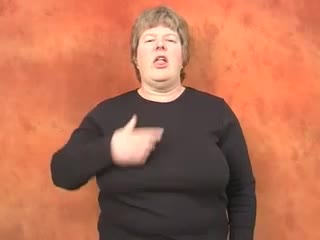
🤖 AI Learning Guide for "wire brush"

The sign for "wire brush" is two-handed, representing the tool's action. A dominant S-hand (fist) vigorously rubs back and forth on a non-dominant B-hand (flat palm)

🎯 Practice Challenge

Practice the vigorous scrubbing motion

⚠️ Most Common Mistake

Ensure the movement is stiff and repeated to convey 'wire'

👐 How to Sign "wire brush" in British Sign Language (BSL) (Quick Answer)

Follow these steps to sign wire brush correctly in British Sign Language (BSL):

  1. 1 Form non-dominant B-hand, palm up
  2. 2 Form dominant S-hand
  3. 3 Place dominant S-hand knuckles on non-dominant palm
  4. 4 Rub S-hand vigorously back and forth

Tip: Watch the video above while following these steps for best results.

🤚 Sign Profile

🤚
Handshape
Dominant hand in an S-handshape (fist), non-dominant hand in a B-handshape (flat palm)
🔣
Handshape Code
S, B
Dominant Hand
Either
🙌
Hand Count
Two-handed
📍
Location
Non-dominant palm
↗️
Movement
Dominant S-hand vigorously rubs back and forth across the non-dominant B-hand
🔄
Movement Type
Repeated, Linear
👆
Contact
Touch
👋
Palm Orientation
Dominant: knuckles face non-dominant palm. Non-dominant: palm facing up
⚖️
Symmetry
Asymmetric

😊 Non-Manual Features

Facial expressions and body language are grammatically essential in British Sign Language (BSL) - not optional!

😊
Facial Expression
None
🙆
Eyebrows
Neutral
👁️
Eye Gaze
Forward
🙂
Head Movement
None
👄
Mouth Morpheme
None
🕴️
Body Shift
None

📖 Grammar & Linguistics

Part of Speech Noun
Inflection No
Classifier Usage N/A
Role Shift No

🎓 Learning Context

📌 When to Use: Discussing tools, cleaning, DIY projects, removing rust or paint
⚠️ Common Mistake: Not vigorous enough, incorrect handshapes, confusing with general 'brush'
🚫 When NOT to Use: When referring to a soft brush, paintbrush, or hairbrush
Context Tags
Tools Cleaning DIY Maintenance

🧪 Practice Lab

Use these tiny checks right after watching the video. Fast feedback is what turns recognition into recall.

Meaning check

Which word matches the sign you just watched?

Usage check

Where would this sign fit most naturally?

Confidence check

How do you feel about wire brush right now?

Pick one so SignDeaf can shape the rest of your session around how this sign actually feels.

🧭 Scenario Drill

One sign gets remembered faster when you attach it to real situations. Try these quick scene prompts.

Work

Stretch practice

Use this sign in a short workplace sentence or meeting exchange.

Family

Stretch practice

Try signing this while talking about family life or something at home.

School

Stretch practice

Imagine teaching this sign to a classmate or using it in a lesson.

Doctor

Possible fit

Practise it in a healthcare conversation where clarity matters.

Travel

Stretch practice

Use it in a travel scenario like asking for help or directions.

💬 Example Usage

1.[en] I need the wire brush. / BSL:[pointing] | 2.[en] Clean it with a wire brush. / BSL:[action] | 3.[en] Where is the wire brush? / BSL:[pointing]

1.[en] I need the wire brush. / BSL:[pointing] | 2.[en] Clean it with a wire brush. / BSL:[action] | 3.[en] Where is the wire brush? / BSL:[pointing]

When to use it

Discussing tools, cleaning, DIY projects, removing rust or paint

When not to use it

When referring to a soft brush, paintbrush, or hairbrush

Register

Neutral, Technical

🌍 Cultural Context

Part of general household and DIY vocabulary

🗺️ Regional Variations

No significant variation known for this iconic sign

⚖️ Similar Signs - What's the Difference?

This sign wire brush
VS
Similar signs Look closely
**WIRE BRUSH** (dominant S-hand rubs non-dominant B-hand vigorously) represents the specific abrasive tool. **BRUSH (general)** (dominant G-hand or 5-hand brushes non-dominant B-hand or body) is lighter, for hair or paint. **CLEAN** (dominant 5-hand rubs non-dominant B-hand, often circular) is the action of cleaning, often less vigorous and without the specific tool implication
bearing plate sign thumbnail

bearing plate

Beginner

A flat, often steel, plate that distributes a load from a structural member onto a larger area

Compare with bearing plate

📝 Usage Notes

Iconic sign representing the vigorous scrubbing action of a wire brush

🏷️ Tags

Handshape

Keywords

💡
Did you know?
BSL uses a two-handed manual alphabet - different from ASL which is one-handed.

📚 Explore More British Sign Language (BSL) Signs

Keep building your British Sign Language (BSL) vocabulary - explore signs by category or browse the full dictionary.