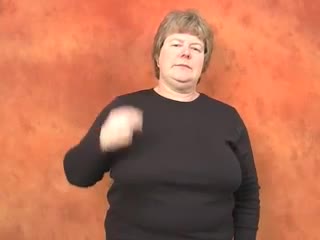
What This Sign Means in BSL
The BSL sign for natural ventilation is a beautifully intuitive sign that captures the essence of fresh air moving freely through a space. When you see it, you're not just signing about air; you're embodying the gentle, unforced flow that clears a room and brings in a sense of openness. It's about air currents that aren't mechanically generated, but rather come from open windows, doors, or intentional architectural design allowing nature to do its work.
This sign carries a practical and often positive connotation. It speaks to a preference for unconditioned air, a connection to the outdoors, and often, an energy-efficient approach to climate control. Think of that feeling when you first open a window on a warm day and a gentle breeze starts to circulate – that's the feeling this sign evokes. It's distinct from general "air" or "wind" because it specifically refers to the purposeful movement of air within an enclosed space, driven by natural forces.
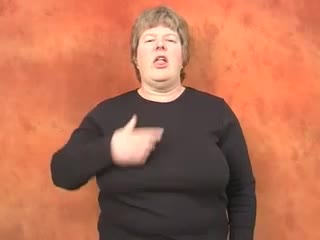
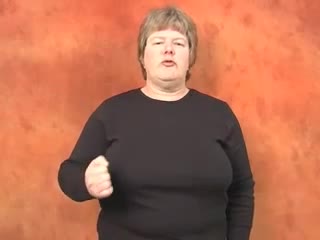
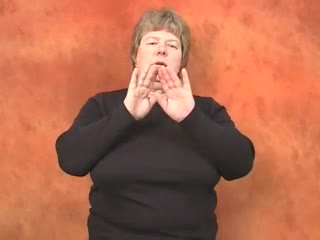
Its form, with both hands moving simultaneously forward and outward in a smooth arc from the chest, truly paints a picture of air spreading out. It's a clear, descriptive sign that leaves little room for ambiguity once you understand its core meaning, making it a very effective piece of vocabulary for discussing environments and comfort.
When This Sign Feels Natural
You'll find the BSL sign for natural ventilation feels most natural in conversations about building design, sustainability, health, and comfort. Imagine you're discussing eco-friendly architecture, explaining why a particular room always feels fresh, or even complaining about a stuffy office where the windows can't open. It fits perfectly when contrasting with artificial cooling or heating systems, highlighting a preference for a more organic solution to air circulation.
Consider the audience too. When chatting with a friend about home improvements, or explaining to a builder your preference for certain design features, this sign clearly communicates your intent. It's a sign that sits comfortably in both informal chats and more technical discussions, provided the context is about the natural flow of air. Its clear visual meaning makes it accessible to a wide range of conversational partners, whether they're BSL fluent or still learning.
However, be mindful of when another sign might be more appropriate. If you're talking about a fan, an air conditioner, or a mechanical extraction system, you'll want to use the specific signs for those concepts or the more general sign for "ventilation" (which often has a different movement or handshape to imply machinery). This sign is specifically for the natural kind of ventilation, so using it incorrectly might lead to a misunderstanding about the source or method of air movement.
What Learners Usually Miss
One common subtlety learners sometimes miss with the BSL sign for natural ventilation is the precise quality of the movement. It's not a forceful push, nor is it a small, timid gesture. The movement should be smooth, expansive, and have a gentle, unhurried arc. Think of air flowing effortlessly, not being violently expelled. Learners might sometimes make the movement too sharp or too small, which can diminish the clarity and natural feel of the sign. Ensure your hands move simultaneously and in a mirrored fashion, reflecting an even distribution of air.
Another area where learners often need a gentle correction is the handshape. While "both hands flat, fingers together, thumb tucked alongside palm" sounds straightforward, some might inadvertently spread their fingers or cup their hands slightly. It's crucial that the hands remain flat and firm, almost as if you're presenting two flat panes of glass or gently guiding the air. This flat handshape is integral to conveying the smooth, unimpeded flow of air, rather than, say, scooping or containing it.
Finally, paying attention to the starting location and the facial expression is key. The sign begins at the lower chest or upper abdomen, suggesting a central source from which the air emanates. Some learners might start too high (near the shoulders) or too low (at the waist), which slightly alters the visual narrative. Couple the accurate movement and handshape with a neutral or slightly pleasant, relaxed facial expression – one that suggests a feeling of comfort or clarity. A strained or overly intense expression would contradict the natural, easy flow that the sign represents.
A Simple Way to Remember It
Imagine your hands are gently guiding the air out from your body, as if you're creating a clear, open path for a refreshing breeze to spread through a room. The flat hands represent the expansive, unobstructed nature of the air, and the outward, arcing motion visualises the air moving and dispersing naturally.
- The "Air Push": Visualise your flat hands gently but firmly pushing air away from you, creating space and movement, much like a natural draft.
- The "Arc of Flow": The outward arc of the movement mimics the way air spreads and circulates through an open space, filling it evenly.
- The "Chest Source": Starting at the chest or abdomen is like the air originating from the heart of a space, then fanning out to refresh everything.
Short Practice Situations
- The new office building prioritises natural ventilation to keep the air fresh without relying heavily on air conditioning.
- During summer, I prefer to rely on natural ventilation by opening all the windows rather than turning on a fan.
- Architects often design homes with strategically placed windows to maximise natural ventilation and reduce energy costs.
- It's important to consider good natural ventilation in schools to help maintain a healthy learning environment.
Signs to Learn Next
- VENTILATION (mechanical): This sign, often with a different handshape or a circular motion, contrasts beautifully, highlighting the distinction between natural and engineered air circulation.
- AIR: A more general sign for the substance itself, learning this will help you differentiate between the general concept of "air" and the specific process of "natural ventilation."
- WINDOW: Often, natural ventilation is achieved through opening windows, making this a highly relevant sign for practical conversations.
- BREEZE / WIND: These signs describe the movement of air outdoors. Understanding them helps you contextualise how outdoor air movement contributes to indoor natural ventilation.
- FRESH: The feeling of fresh air is a direct result of good natural ventilation. Learning this sign allows you to express the positive outcome of proper air circulation.