Speed
0
Practice reps times watched

Create a free account to keep your watch history and review plan.

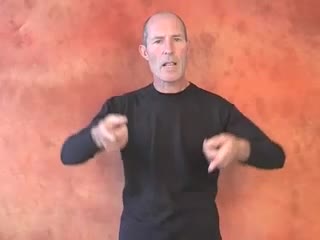
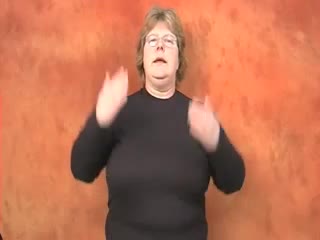
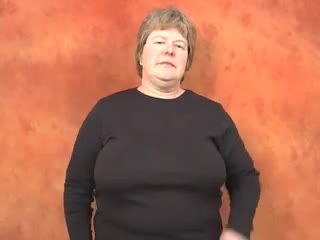
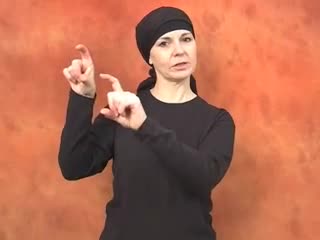
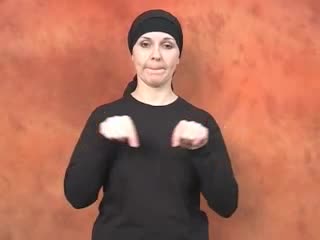
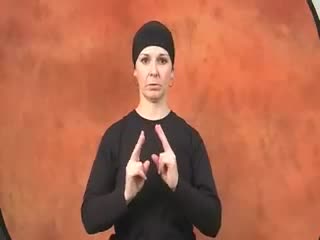
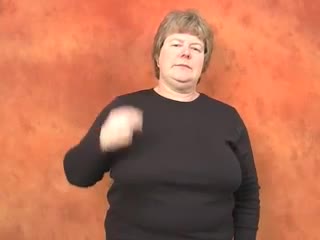
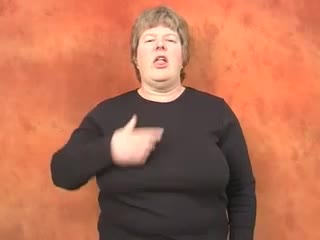
Best practice Use mirror mode, then watch the frame breakdown below to catch the start, movement, and finish cleanly.
Video via SpreadTheSign  - Free educational resource BSL
Updated April 20, 2026
🌱 Level 1 BSL Starter
🔥 0d +0 XP
0 XP 50 XP to Level 2
British Sign Language (BSL) 🟢 Beginner 📊 B2 ⚡ Uncommon Noun

water seepage

Slow escape of liquid through porous material or small cracks

Source-linked video Step-by-step guide Context and safety notes
Synonyms
Leak drip trickle ooze percolation
Antonyms
Flood gush torrent
Difficulty
Not rated yet

Create a free account to save this sign, keep your watch history, and unlock a one-note journal preview.

How to sign it
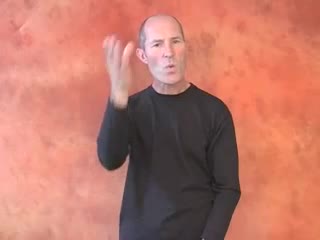
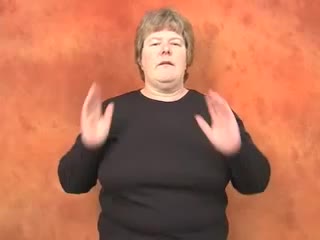
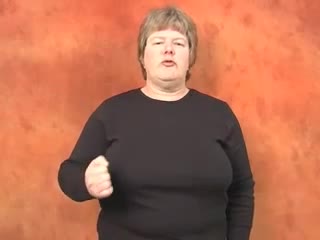
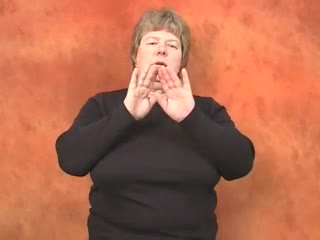
Handshape
Index finger extended, other fingers curled
Location
Mid-chest to waist level, representing a source
Movement
Index finger moves slowly downwards, repeating
Palm Orientation
Downwards
Facial Expression
Slight 'pff' mouth shape
Review mode

Remember this sign faster

Free account
0 Queued
0 Due now
0 This week

Create a free account to save this sign and keep your first review preview. Upgrade when you want full spaced repetition, saved notes, and compare mode.

  • Save this sign to a comeback list you can actually revise from.
  • Keep private journal notes and memory tricks beside each sign.
  • Practice hard signs more often and easy ones less often.
  • Compare similar signs side by side instead of guessing.

Membership sits underneath the learning tools, not in front of them. Free gets you started. Paid turns your saved signs into a real long-term revision system.

Your Progress Live tracking
This sign Not learned yet
0 watches
How well do you know this sign?
0 Signs seen
0 Learned
0 All Sign Watches
0 Day streak

Watch signs to see your history here

Tracking locally for now. Create a free account to save your progress, your first journal note, and this sign.
Free gets you started. Paid adds the repeat-learning layer: review queues, deeper notes, compare mode, and better comeback tools.
My Sign Journal
Personal notes, saved to your account forever
Locked

Write memory tricks, usage examples, and cultural reminders beside each sign. Create a free account to unlock your first saved note preview on this page.

Create free account Already have an account? Log in

What This Sign Means in BSL

The BSL sign for water seepage isn't just about water and it isn't just about a leak; it carries a very specific nuance of slow, persistent, and often unwelcome penetration. When you use this sign, you’re conveying the idea of water gradually making its way through a barrier, whether it’s a wall, a ceiling, or even a rock face. It’s not a sudden gush or a dramatic flood, but rather a subtle, often insidious process that can lead to significant problems over time.

Think of the sign as embodying that quiet, steady persistence. It suggests a problem that might not be immediately obvious but grows incrementally. It’s a sign that communicates a sense of concern, perhaps even frustration, because seepage is notoriously difficult to pinpoint and stop. This isn't a cheerful sign; it’s one that typically arises when discussing maintenance issues, damage, or environmental concerns, highlighting the slow, damaging effect of water where it shouldn't be.

When This Sign Feels Natural

This sign feels most natural in conversations where the exact nature of water intrusion matters. You'd use it when you're specifically talking about damp patches appearing on a wall or ceiling over time, not from a burst pipe, but from a persistent, unseen source. Imagine discussing a building survey, explaining an issue to a plumber, or even describing a geological process where water slowly erodes rock – these are the contexts where water seepage becomes the precise and appropriate term in BSL.

It’s particularly useful when you need to differentiate from more dramatic water-related signs. For example, if your friend is complaining about a minor damp problem that’s slowly worsening, this sign conveys that accurate sense of gradual damage. It suits a slightly more technical or detailed discussion, whether with professionals or simply when you want to be very clear about the continuous, trickling nature of the water ingress rather than an immediate, visible flow.

What Learners Usually Miss

Learners often miss the subtle difference in movement and handshape that distinguishes seepage from a simple "leak" or "drip." The key isn't just showing water, but showing its *slow, pervasive movement*. Sometimes, new signers might make the movement too sharp or too isolated, missing the flowing, spreading quality that characterises water slowly permeating a surface. Remember, seepage isn't a singular event; it's a continuous process, and the sign needs to reflect that.

Another common oversight is the lack of accompanying facial expression. While the sign itself conveys meaning, a slightly concerned or frustrated facial expression really sells the concept of a persistent, unwanted water problem. Without it, the sign can look a bit neutral, like simply "water coming out," rather than the bothersome, damaging "water seepage." Ensure your facial expression matches the often-troubling nature of the issue to truly communicate the full meaning.

A Simple Way to Remember It

To remember the BSL sign for water seepage, think about the gradual, persistent way water slowly finds its way through tiny cracks and pores. The sign visually mimics this gentle yet inexorable flow, giving you a strong mnemonic hook. It's about showing water not gushing, but subtly spreading and working its way through.

  • The Slow Persistence: Visualise water slowly "pushing" its way through a barrier. The movement in the sign is often deliberate and unhurried, reflecting this gradual action.
  • Hidden Origins: Imagine the source of the water being somewhat concealed, only revealing itself as it slowly saturates a surface. The sign's movement often suggests this underlying, unseen cause.
  • The Damp Patch: Connect the movement to how a damp patch grows slowly on a wall or ceiling, starting small and gradually expanding as water permeates the material.

Short Practice Situations

  • I noticed some water seepage in the corner of the attic after the heavy rain.
  • The builder explained that the damp issue was due to slow water seepage from the foundation.
  • We need to find the source of the water seepage before it causes more damage to the ceiling.
  • My neighbour's complaining about water seepage affecting their garage wall from next door.

Signs to Learn Next

  • WATER: This is a fundamental sign. Understanding "WATER" allows you to build context for any sign related to water, including seepage.
  • LEAK: While distinct from seepage, "LEAK" often represents a more direct, perhaps faster, flow of water. Knowing both helps you differentiate between a drip, a trickle, and a slow permeation.
  • DAMP: "DAMP" describes the condition that often results from water seepage. Learning this sign helps you discuss the effects and consequences of seepage.
  • REPAIR: Once you've identified water seepage, the next logical step is often repair. This sign connects directly to problem-solving actions related to water damage.
  • PROBLEM: Water seepage is inherently a problem. Being able to sign "PROBLEM" allows you to express the negative impact and seriousness of the issue in context.

🤖 AI Learning Guide for "water seepage"

Sign uses G-hand (index finger) to depict slow, persistent water flow

🎯 Practice Challenge

Practice the slow, repeated downward motion with the G-hand

⚠️ Most Common Mistake

Ensure movement is slow and continuous, not sharp or fast

👐 How to Sign "water seepage" in British Sign Language (BSL) (Quick Answer)

Follow these steps to sign water seepage correctly in British Sign Language (BSL):

  1. 1 Form G-hand (index finger extended)
  2. 2 Position index finger pointing downwards mid-chest
  3. 3 Move finger slowly downwards a few inches
  4. 4 Repeat slow downward movement 2-3 times
  5. 5 Use "pff" mouthshape

Tip: Watch the video above while following these steps for best results.

🤚 Sign Profile

🤚
Handshape
Index finger extended, other fingers curled
🔣
Handshape Code
G-hand
Dominant Hand
Either
🙌
Hand Count
One-handed
📍
Location
Mid-chest to waist level, representing a source
↗️
Movement
Index finger moves slowly downwards, repeating
🔄
Movement Type
Repeated
👆
Contact
Air
👋
Palm Orientation
Downwards

😊 Non-Manual Features

Facial expressions and body language are grammatically essential in British Sign Language (BSL) - not optional!

😊
Facial Expression
Slight 'pff' mouth shape
🙆
Eyebrows
Neutral
👁️
Eye Gaze
Forward
🙂
Head Movement
None
👄
Mouth Morpheme
pff
🕴️
Body Shift
None

📖 Grammar & Linguistics

Part of Speech Noun
Inflection No
Classifier Usage CL:G (for liquid flow)
Role Shift No

🎓 Learning Context

📌 When to Use: Discussing building damage, plumbing issues, dampness
⚠️ Common Mistake: Confusing with general 'water' or 'drip'
🚫 When NOT to Use: For large floods or gushing water
Context Tags
Building plumbing damp leak

🧪 Practice Lab

Use these tiny checks right after watching the video. Fast feedback is what turns recognition into recall.

Meaning check

Which word matches the sign you just watched?

Usage check

Where would this sign fit most naturally?

Confidence check

How do you feel about water seepage right now?

Pick one so SignDeaf can shape the rest of your session around how this sign actually feels.

🧭 Scenario Drill

One sign gets remembered faster when you attach it to real situations. Try these quick scene prompts.

Work

Stretch practice

Use this sign in a short workplace sentence or meeting exchange.

Family

Stretch practice

Try signing this while talking about family life or something at home.

School

Stretch practice

Imagine teaching this sign to a classmate or using it in a lesson.

Doctor

Stretch practice

Practise it in a healthcare conversation where clarity matters.

Travel

Stretch practice

Use it in a travel scenario like asking for help or directions.

💬 Example Usage

1.[en] The basement had water seepage. / BSL:[G-hand moving slowly downwards from wall]| 2.[en] We need to fix the seepage. / BSL:[Sign for FIX] [G-hand moving slowly downwards]| 3.[en] Look at the wall seepage. / BSL:[Point to wall] [G-hand moving slowly downwards]

1.[en] The basement had water seepage. / BSL:[G-hand moving slowly downwards from wall]| 2.[en] We need to fix the seepage. / BSL:[Sign for FIX] [G-hand moving slowly downwards]| 3.[en] Look at the wall seepage. / BSL:[Point to wall] [G-hand moving slowly downwards]

When to use it

Discussing building damage, plumbing issues, dampness

When not to use it

For large floods or gushing water

Register

Technical

🌍 Cultural Context

🗺️ Regional Variations

Minor variations in movement speed or location

⚖️ Similar Signs - What's the Difference?

Understanding when to use water seepage vs. related signs helps avoid common mix-ups.

The sign for "water seepage" is similar to "DRIP" and "LEAK". "DRIP" often uses a single, sharper downward movement of the G-hand, sometimes repeated distinctly. "LEAK" can be more general, or show a continuous flow with a G-hand or 5-hand. "Water seepage" emphasizes a slow, persistent, and often diffuse flow, using a more continuous, slower, repeated downward movement with a "pff" mouth morpheme, distinguishing it from distinct drops or a faster flow

📝 Usage Notes

Emphasize slow, persistent nature with movement

🏷️ Tags

Handshape

Keywords

💡
Did you know?
Repetition is key. Try signing this word 10 times, slowly at first, then at natural speed.

📚 Explore More British Sign Language (BSL) Signs

Keep building your British Sign Language (BSL) vocabulary - explore signs by category or browse the full dictionary.