Speed
0
Practice reps times watched

Create a free account to keep your watch history and review plan.

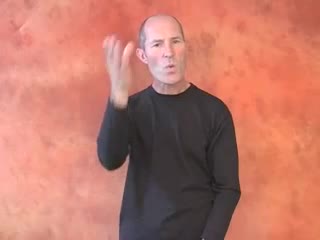
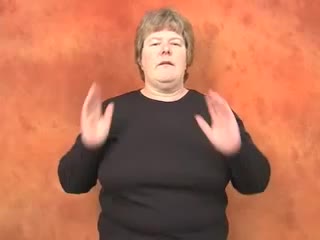
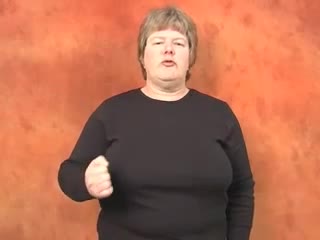
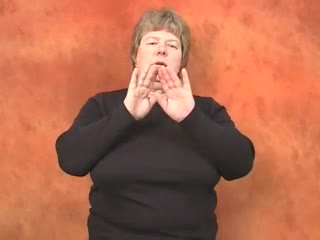
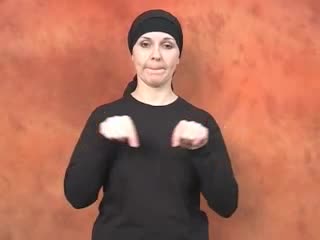
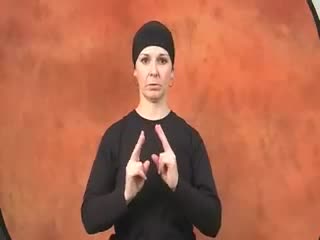
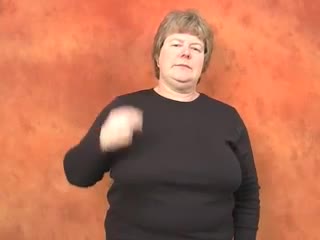
Best practice Use mirror mode, then watch the frame breakdown below to catch the start, movement, and finish cleanly.
Video via SpreadTheSign  - Free educational resource BSL
Updated April 20, 2026
🌱 Level 1 BSL Starter
🔥 0d +0 XP
0 XP 50 XP to Level 2
British Sign Language (BSL) 🟢 Beginner 📊 B1 ⚡ Uncommon Noun

folding ruler

A measuring tool with hinged segments that fold

Source-linked video Step-by-step guide Context and safety notes
Difficulty
Not rated yet

Create a free account to save this sign, keep your watch history, and unlock a one-note journal preview.

How to sign it
Handshape
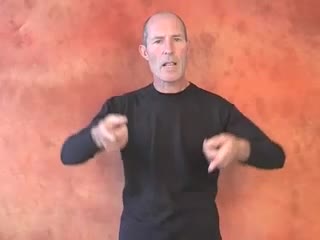
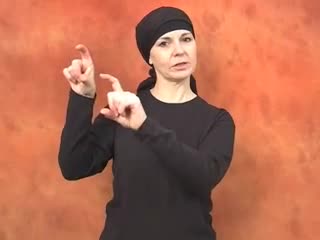
Both hands form G-hands (index finger extended)
Location
Neutral space in front of the chest
Movement
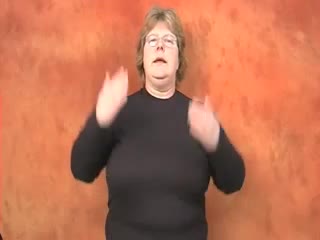
Two G-hands meet at fingertips, one pivots out from the other, then extends
Palm Orientation
Palms generally face each other, then rotate forward/down
Facial Expression
Slight forward head tilt
Review mode

Remember this sign faster

Free account
0 Queued
0 Due now
0 This week

Create a free account to save this sign and keep your first review preview. Upgrade when you want full spaced repetition, saved notes, and compare mode.

  • Save this sign to a comeback list you can actually revise from.
  • Keep private journal notes and memory tricks beside each sign.
  • Practice hard signs more often and easy ones less often.
  • Compare similar signs side by side instead of guessing.

Membership sits underneath the learning tools, not in front of them. Free gets you started. Paid turns your saved signs into a real long-term revision system.

Your Progress Live tracking
This sign Not learned yet
0 watches
How well do you know this sign?
0 Signs seen
0 Learned
0 All Sign Watches
0 Day streak

Watch signs to see your history here

Tracking locally for now. Create a free account to save your progress, your first journal note, and this sign.
Free gets you started. Paid adds the repeat-learning layer: review queues, deeper notes, compare mode, and better comeback tools.
My Sign Journal
Personal notes, saved to your account forever
Locked

Write memory tricks, usage examples, and cultural reminders beside each sign. Create a free account to unlock your first saved note preview on this page.

Create free account Already have an account? Log in

What This Sign Means in BSL

The BSL sign for folding ruler is beautifully iconic, almost a little piece of theatre right on your hands. It directly mimics the physical action of extending and retracting a traditional segmented ruler, the kind that folds up neatly for storage. When you use this sign, you're not just conveying the word; you're visually demonstrating the tool's primary characteristic and how someone would interact with it.

This clarity makes it a very practical sign. It leaves little room for ambiguity, as the movement inherently describes the object. Learners often find signs like this very satisfying because they can instantly see the connection between the sign and the real-world item. It's about showing, not just telling, which is a powerful aspect of BSL.

The sign itself carries a neutral, functional tone. It’s for clear, direct communication about a specific measuring instrument, often used in contexts like DIY, construction, education, or crafting. It’s a sign that helps build a clear mental picture for the person you're communicating with, ensuring they know exactly which type of ruler you mean among the many varieties available.

When This Sign Feels Natural

You'll find the BSL sign for folding ruler feels most natural in conversations where the specific characteristics of this tool are relevant. Imagine you're talking about a DIY project and need to accurately measure an awkward space; the visual of the folding ruler extending and bending can be incredibly helpful. It’s perfect when discussing specific tools, school supplies, or workshop items. If you're helping someone find a particular item in a shop or describing a crafting technique, this sign gives precise context.

This sign shines in practical, transactional situations. For example, if you're explaining how to cut a piece of wood to someone, using the sign for folding ruler makes it clear which instrument you're recommending for the job. It's a sign that adds detail and specificity to your explanations, making your communication more effective and less prone to misunderstandings about which "ruler" you might be referring to.

While you could simply sign "ruler" more generally, choosing the BSL sign for folding ruler shows a level of precision and detail that enhances your message. It implies familiarity with the tool and its distinct function. However, if the exact type of ruler isn't important for your message, or if you're referring to a flexible tape measure, you might opt for a different, more general sign. This sign is chosen when the folding action itself is a key part of the communication.

What Learners Usually Miss

One common trap learners fall into with the BSL sign for folding ruler is either making the action too small and indistinct, or conversely, exaggerating it excessively. The key is to find a balance where the movement is clear and smooth, mimicking the actual physical segments of the ruler clicking into place. It’s not about tiny wiggles, nor is it about wildly flailing hands; it's a controlled, deliberate articulation of a folding motion that suggests segments.

Another subtle point that people sometimes miss is the natural rhythm and flow of the sign. A real folding ruler unfolds with a certain mechanical grace, and the sign should reflect this. Avoid making the movement jerky or rushed. Think about the slight pause as one segment clicks into the next. This controlled pace helps convey the sturdy, segmented nature of the tool, rather than making it look like a flimsy piece of paper unfolding.

Lastly, ensure your handshapes accurately represent the segments of the ruler. Learners occasionally use loose, open hands, which can make the sign less clear. Your fingers should articulate the distinct "joints" of the ruler, showing the successive sections extending or collapsing. The movement should primarily involve the hands and wrists, keeping the arms relatively stable to suggest the ruler's increasing length, then decreasing as it folds away.

A Simple Way to Remember It

Remembering the BSL sign for folding ruler is straightforward because it's so literal. Just visualise the actual tool in your mind's eye and let your hands replicate its unique action. It's one of those signs that truly helps you connect the visual to the meaning, making it memorable and intuitive once you've seen it in action.

  • Visualise the segments: Imagine the individual sections of the ruler unfolding and locking into place, then collapsing back down. Your hands are doing exactly that.
  • Mimic the motion: The sign is a direct physical representation of the folding and unfolding action. If you've ever used one, recall the tactile sensation and translate that into your hands.
  • Think about its purpose: This tool measures by extending its length. The sign beautifully shows this extension and retraction, linking the form directly to the function of measuring.

Short Practice Situations

  • "I need my folding ruler to get an accurate measurement for the new cupboard."
  • "Could you please pass me the folding ruler from the workbench? It's next to the hammer."
  • "My child needs a folding ruler for their design and technology class next week."
  • "The old folding ruler I had broke, so I went out to buy a new one today."
  • "He carefully extended the folding ruler across the table to check the dimensions of the plans."

Signs to Learn Next

  • RULER (general): Learning the general sign for "ruler" will help you understand the category and how "folding ruler" provides a more specific distinction. It allows you to choose the appropriate level of detail in your signing.
  • TAPE MEASURE: This is another common measuring tool. Comparing its sign to "folding ruler" will highlight the different physical characteristics and uses of each, enhancing your vocabulary for tools.
  • MEASURE: As the verb associated with using a ruler, learning the sign for "measure" naturally connects to the purpose of a folding ruler and allows you to create more complete sentences about its use.
  • TOOL/TOOLS: Understanding the general sign for "tool" or "tools" helps place the folding ruler within a broader category of practical implements, useful for discussing workshops, DIY, or professions.
  • BUILD/CONSTRUCT: Many people use folding rulers in building or construction contexts. Learning this sign will provide a practical context for when and why you might be talking about a folding ruler.

🤖 AI Learning Guide for "folding ruler"

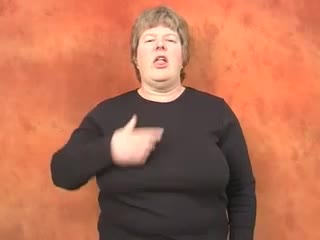
The BSL sign for "folding ruler" visually represents the tool's action. Two G-hands (index fingers extended) meet, then one hand pivots and extends from the other, mimicking the ruler segments unfolding from their hinge

🎯 Practice Challenge

Practice the clear, distinct movement of the hands pivoting and extending. Focus on the 'folding' aspect

⚠️ Most Common Mistake

Ensure both hands are G-hands. Make sure one hand clearly pivots and extends from the other, rather than just moving linearly

👐 How to Sign "folding ruler" in British Sign Language (BSL) (Quick Answer)

Follow these steps to sign folding ruler correctly in British Sign Language (BSL):

  1. 1 Form G-hands with both hands, index fingers extended
  2. 2 Bring index fingertips together in neutral space
  3. 3 Dominant G-hand pivots away from non-dominant hand
  4. 4 Extend dominant hand outwards, mimicking a ruler segment unfolding
  5. 5 Repeat pivot/extension for a second segment if desired

Tip: Watch the video above while following these steps for best results.

🤚 Sign Profile

🤚
Handshape
Both hands form G-hands (index finger extended)
🔣
Handshape Code
S4
Dominant Hand
Either
🙌
Hand Count
Two-handed
📍
Location
Neutral space in front of the chest
↗️
Movement
Two G-hands meet at fingertips, one pivots out from the other, then extends
🔄
Movement Type
Linear, Bend, Repeated
👆
Contact
Touch
👋
Palm Orientation
Palms generally face each other, then rotate forward/down
⚖️
Symmetry
Asymmetric

😊 Non-Manual Features

Facial expressions and body language are grammatically essential in British Sign Language (BSL) - not optional!

😊
Facial Expression
Slight forward head tilt
🙆
Eyebrows
Neutral
👁️
Eye Gaze
Forward
🙂
Head Movement
None
👄
Mouth Morpheme
mm
🕴️
Body Shift
None

📖 Grammar & Linguistics

Part of Speech No
Inflection No
Role Shift No

🎓 Learning Context

📌 When to Use: When discussing carpentry, DIY, or specific measuring tools
⚠️ Common Mistake: Not showing the folding or hinging action clearly
🚫 When NOT to Use: When referring to a standard straight ruler or tape measure
Context Tags
Tools measurement construction DIY

🧪 Practice Lab

Use these tiny checks right after watching the video. Fast feedback is what turns recognition into recall.

Meaning check

Which word matches the sign you just watched?

Usage check

Where would this sign fit most naturally?

Confidence check

How do you feel about folding ruler right now?

Pick one so SignDeaf can shape the rest of your session around how this sign actually feels.

🧭 Scenario Drill

One sign gets remembered faster when you attach it to real situations. Try these quick scene prompts.

Work

Stretch practice

Use this sign in a short workplace sentence or meeting exchange.

Family

Stretch practice

Try signing this while talking about family life or something at home.

School

Stretch practice

Imagine teaching this sign to a classmate or using it in a lesson.

Doctor

Stretch practice

Practise it in a healthcare conversation where clarity matters.

Travel

Stretch practice

Use it in a travel scenario like asking for help or directions.

💬 Example Usage

1.[en] Can you pass me the folding ruler? / BSL:[me-PASS-you FOLDING-RULER, Q] | 2.[en] The carpenter used a folding ruler. / BSL:[CARPENTER USE FOLDING-RULER] | 3.[en] It's a useful folding ruler. / BSL:[IT USEFUL FOLDING-RULER]

1.[en] Can you pass me the folding ruler? / BSL:[me-PASS-you FOLDING-RULER, Q] | 2.[en] The carpenter used a folding ruler. / BSL:[CARPENTER USE FOLDING-RULER] | 3.[en] It's a useful folding ruler. / BSL:[IT USEFUL FOLDING-RULER]

When to use it

When discussing carpentry, DIY, or specific measuring tools

When not to use it

When referring to a standard straight ruler or tape measure

Register

Neutral

🌍 Cultural Context

Often associated with trades like carpentry

🗺️ Regional Variations

Minor variations in hand placement or pivot point

⚖️ Similar Signs - What's the Difference?

Understanding when to use folding ruler vs. related signs helps avoid common mix-ups.

RULER: The sign for a standard "ruler" typically involves the dominant G-hand (index finger) moving across the non-dominant flat palm, indicating a single straight edge for measurement. "Folding ruler" specifically shows segments unfolding. TAPE MEASURE: This sign usually involves miming pulling a tape out from a small case, often with S-hands or C-hands, and then extending the index finger. It differs by showing continuous extension rather than hinged segments

📝 Usage Notes

Clearly show the segmented unfolding. Number of folds can vary

🏷️ Tags

Handshape

Keywords

💡
Did you know?
Watching Deaf signers on YouTube or BSL content online is one of the best ways to improve fluency.

📚 Explore More British Sign Language (BSL) Signs

Keep building your British Sign Language (BSL) vocabulary - explore signs by category or browse the full dictionary.