What This Sign Means in BSL
The BSL sign for thank is a cornerstone of polite interaction, signifying appreciation and gratitude in a clear, direct way. It’s a versatile sign you’ll use constantly in everyday conversations, making it one of the first and most important verbs to master. When you sign "thank," you're not just conveying a word; you're acknowledging an action, a favour, or a kind gesture, building connection with the person you're communicating with.
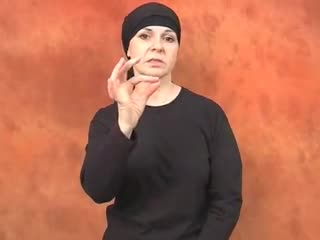
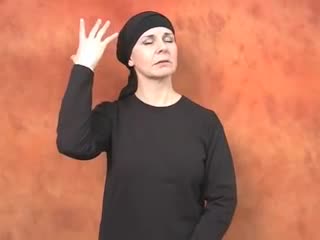
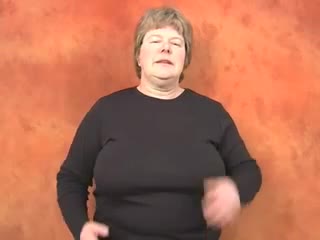
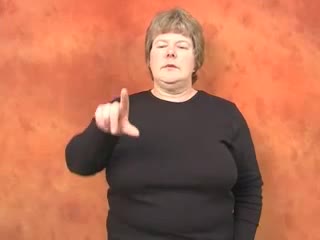
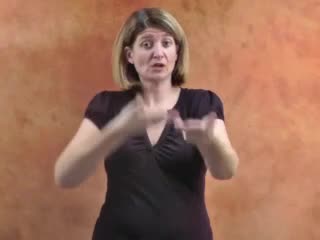
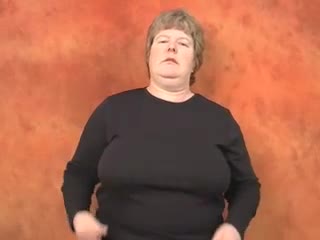
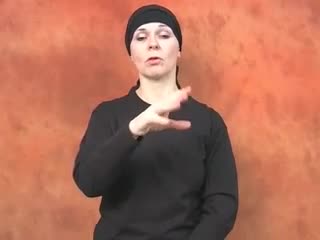
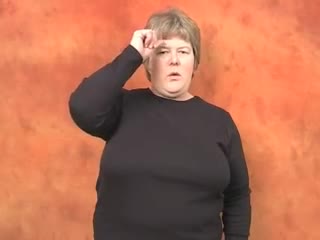
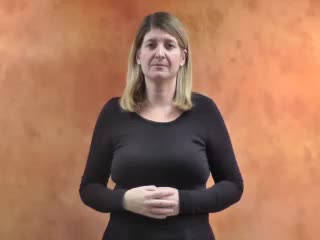
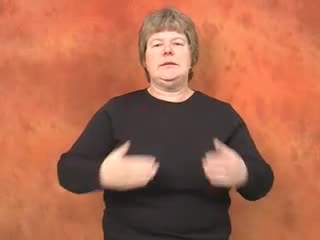
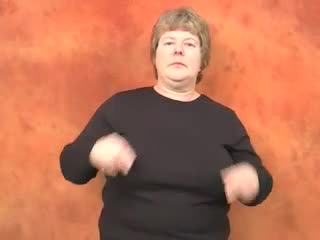
Visually, the sign for "thank" carries a sense of offering or giving. Your flat hand, with fingers neatly together and thumb tucked alongside, starts at your upper chest – often thought of as the area of the heart or sincerity. From there, it moves outwards and slightly downwards, as if you are gently extending your appreciation towards the recipient. This motion makes the gratitude feel outward-bound and genuinely directed.
This sign is fundamentally about acknowledging someone's contribution or kindness. It's a simple yet powerful gesture that fosters positive social connections within the Deaf community. It expresses a range of gratitude, from a quick "cheers" for a small favour to a more heartfelt "thank you" for significant help, often distinguished by accompanying facial expressions and the overall context.
When This Sign Feels Natural
You’ll find yourself using the BSL sign for "thank" in countless everyday scenarios. It feels natural any time you would express gratitude in spoken English: when someone holds a door for you, passes you an item, offers you a drink, or simply shares a pleasant conversation. It’s the go-to sign for acknowledging any act of kindness, big or small, and is appropriate across all social registers, from casual to formal.
This sign is incredibly versatile. It's perfectly natural when responding to a compliment, receiving a gift, or acknowledging help or information. Think of it as your default polite response. However, remember that while the sign itself is constant, the feeling behind it is conveyed through your non-manual features – your facial expression, eye contact, and body language. A quick, subtle "thank" with a nod and a small smile suits a minor favour, while a more sustained sign with a genuinely warm expression would be for something more significant.
It’s also important to recognise when a different sign might be more appropriate to express a deeper level of gratitude, such as "grateful" (if you've learned it), which conveys a more profound sense of thankfulness. However, for most common situations, "thank" is the most fitting and commonly used sign. It's about showing that you've noticed and appreciated what someone has done, closing that loop of interaction politely and warmly.
What Learners Usually Miss
Many learners initially miss the subtle precision in the handshape and movement for "thank." It's not just a wave or an open palm. The handshape should be a distinct, flat hand with all fingers held together and the thumb tucked snugly alongside the palm. Often, learners might splay their fingers or let their thumb stick out, which can make the sign less clear or look less natural. Practice holding that neat, flat handshape firmly but relaxed.
Another common oversight is neglecting the accompanying non-manual features (NMFs), particularly facial expression and eye contact. A mechanical execution of the hand movement without a genuine smile or direct gaze can make your "thank" feel hollow or insincere. The warmth and sincerity of your gratitude truly come alive through your face. Ensure your eyes meet the recipient's, and let a natural, appreciative smile accompany the sign.
Finally, learners sometimes either rush the movement or make it too expansive. The movement from the upper chest outwards and slightly downwards should be smooth and controlled, a single, fluid gesture. It shouldn't be jerky or overly dramatic, nor should it be so quick that it's barely perceptible. Aim for a natural, mid-paced tempo that allows the meaning to land clearly, without drawing undue attention to the mechanics of the sign itself.
A Simple Way to Remember It
To remember the BSL sign for "thank," picture it as gently offering your appreciation from your heart. The hand starts near your upper chest, a place we associate with sincerity and feelings, and then extends outwards, as if you're physically presenting your gratitude to the person in front of you. The flat hand symbolises a clear, open, and unambiguous offering of thanks.
- The Heartfelt Release: Imagine your thanks originating from your heart (upper chest) and being gently released outwards towards the person you're thanking.
- Smooth Offering: Picture your hand as a smooth, flat surface offering something valuable – your gratitude – to another person.
- Clear Intention: The distinct, flat handshape ensures there's no confusion; it's a clear, unambiguous gesture of appreciation, not a wave or a point.
Short Practice Situations
- Someone passes you the salt at the dinner table: sign "thank" with a quick, polite smile.
- A friend helps you carry a heavy bag: use "thank" with sincere eye contact and a slightly more deliberate movement.
- You're given a compliment on your new haircut: respond with "thank" and a modest, appreciative facial expression.
- A Deaf person patiently explains something you didn't understand: genuinely sign "thank" to show your appreciation for their time and effort.
- Your colleague holds the door open for you as you enter the building: give a brief "thank" with a nod of acknowledgment.
Signs to Learn Next
- PLEASE: Just like "thank," "please" is an essential sign for polite requests and interactions. Mastering both allows for courteous exchanges in a wide variety of situations.
- SORRY: This sign is crucial for acknowledging mistakes or expressing regret. Often, "sorry" and "thank" appear together in sequences like "Sorry I'm late, thank you for waiting."
- WELCOME: The natural and expected response to "thank you." Learning "welcome" allows you to complete the cycle of gratitude and acknowledge the other person's thanks.
- GOOD: This sign is often used in combination with "thank" to express "thank you, that's good" or to show appreciation for something positive. It adds nuance to your expressions of gratitude.
- HELP: As you frequently thank people for their "help," these two signs are intrinsically linked. Being able to sign both allows you to clearly communicate both the request for and appreciation of assistance.